KEY TAKEAWAYS
- Understand the role of professional help
- Discover early signs of structural issues
- Learn easy ways to prevent these problems
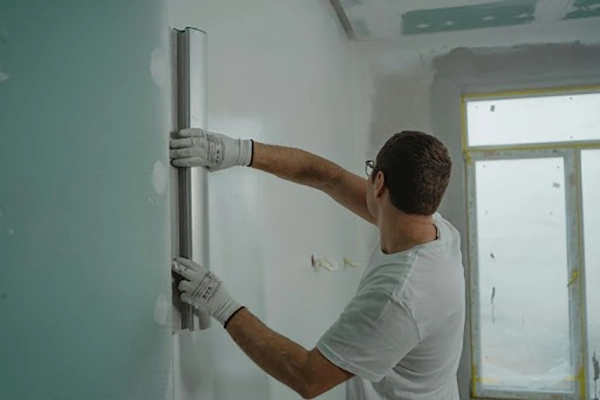
Did you know that homeownership rates of 60% to 90% are common worldwide? Well, buying a home is one of the most significant investments most people make in their lives. But a lot of people just let their hard work go to waste. How? By simply not taking care of the structure of their house.
The overall structure of the house is the most important thing that helps keep the home standing solid for decades. But ignoring things like uneven floors, crooked doors, and small cracks along the walls, moisture, shifting soil, or poorly distributed weight often ends up in a disaster.
The value of houses with issues like these decreases rapidly. Wondering what the solution is? Well, the easiest solution is to call experts to professionally inspect the house once in a while and also observe the early signs. Let’s continue with the article to go deeper into this.
The Role of Professionals, Inspectors, and the Real Marketplace
There is a point in every homeowner’s journey when outside eyes become essential. No amount of personal care replaces a professional inspection. Professionals see the language of a house differently—they read changes in lines, subtle separations, curious dips in the floor. Their assistance protects the owner from blind spots.
In the broader picture, homes appear in the market repeatedly. Buyers want assurance, documentation, and stability. Professional inspections make transactions smoother, simply because clarity minimizes friction.
Some firms even specialize in purchasing damaged or distressed properties; they step in when a house has already slipped past the point of casual repair. Those buyers offer a path forward for situations where homeowners feel stressed out, though they still evaluate homes through the same view of structural truth.
Occasionally, someone sells straight to an individual and feels they’ve pulled off a lucky deal, but most people quickly realize that these one-on-one arrangements rarely outperform structured transactions. Established buyers—normal or those focused on damaged properties—tend to manage the process with fewer surprises.
Homes in excellent condition attract attention; homes carrying unresolved issues lead to the types of negotiations that stretch patience thin. But before any of those negotiations arise, the most important area to look at is the ground the whole house exists on.
Foundations: The Part of the Home That Never Gets to Rest
A house can hide a thousand flaws, but the ground beneath it rarely lies. Any weakness in the foundation eventually travels upward and reveals itself through uneven floors, crooked doors, and small cracks along the walls. Good prevention starts at the soil line, not at the top.
Most structural problems trace back to moisture, shifting soil, or poorly distributed weight. None of these issues appear suddenly. They start almost politely, as if testing your awareness.
Reading the Ground’s Subtle Signals
Watch the soil around the house after heavy rain. If it pools, lingers, or makes rivulets toward the foundation, that’s possible evidence of trouble. This isn’t about panic—it’s about detecting patterns. Sloping the landscape outward, cleaning drainage paths, or adding gravel channels might sound negligible, but these actions carry enormous structural impacts.
A foundation that remains dry lives longer. A foundation forced to swim often suffers.
Protecting the Perimeter Before It Weakens
Gutters clogged with a short season of leaves can send torrents straight to the slab. Downspouts that empty too near the wall quietly erode the soil. The simplest prevention involves clarity: water should travel away from the home, not close to it.
Tiny modifications—rerouting runoff, leveling small dips, extending spouts—form the invisible protective layers of a stable foundation.
Walls and Frames: The Skeleton That Tells Stories If You Know How to Listen
A wall never cracks without a reason behind it. A frame never curves simply because it feels like doing so. Structural monitoring means paying attention to the small shifts.
Early Tension Lines
Hairline cracks that run perfectly vertical or horizontal mostly come from natural settling. But diagonal ones, especially near windows or doorways, need a closer look. It’s not paranoia; it’s stewardship.
Catching movement in advance can save enormous repair costs. Minor reinforcement performed at the right moment prevents the kind of structural drama that destroys budgets and tempers.
Doors That Change Their Mood
When a door starts sticking for no apparent reason, treat it as a message. Sanding the border might make it close again, but the frame’s alignment error tells another story: something moved. It might be little, it might be seasonal, or it might be the first indication of something heavier.
Listening to this behavior provides you time—time to investigate, time to correct, time to call professionals before more serious shifts take hold.
Roof Systems: The Guardian Shield That Demands Annual Courtesy
Roofs take the brunt of nature’s indifference. They encounter wind pressure, sun exposure, water load, temperature swings, and the random wildlife guest marching across shingles as if auditioning for a show.
Even the strongest roof isn’t everlasting. Preventive care keeps it from turning into the most expensive unexpected bill a homeowner can face.
Watching for Weight, Not Just Leaks
A roof doesn’t fail simply through dripping water. Sagging lines, waves in the decking, and irregular ridges are signs that the underlying frame feels under pressure. Addressing this early can stop a structural chain issue from crawling downward.
Simple seasonal inspections—standing back at a distance to look at roof symmetry—reveal more than people expect.
Clearing Debris and Air Channels
Leaves, twigs, and granule build-up hold moisture. When the roof can’t dry, it weakens. Attic ventilation plays a role in this case, too. Poor airflow heats the roof from the underside, reducing its lifespan.
These tasks may feel like maintenance tasks, but in reality they are small structural interventions that help keep the entire system healthy.
Moisture: The Persistent Enemy That Never Announces Itself Loudly
Moisture attacks quietly. It hides behind walls, under tiles, beneath flooring. Most structural weakness begins with dampness that wasn’t addressed early enough.
Prevention means becoming quite obsessive about tracking water, even in places people barely look.
Hidden Corners That Matter
Inspect under sinks, behind washing machines, around water heaters, and inside crawlspaces. These areas often hold the earliest signs of trouble—darkened wood, faint odors, or weakened surfaces.
Ignoring these signals invites rot and mold to spread, weakening structural members long before anyone catches the external symptom.
Ventilation as a Silent Defender
Air that circulates lessens condensation. This applies to bathrooms, kitchens, basements, and any enclosed space with poor airflow. Adding vents, upgrading fans, or even improving window patterns saves structural integrity in the long run.
Moisture prevention isn’t aesthetically pleasing, but it’s one of the most powerful tools in rescuing a home.
Load Distribution: How a Home Manages Its Own Weight
Homes function like living systems. They respond to how things are placed inside them. Overloading a single area, modifying walls without figuring out their role, or shifting the weight of big appliances—all these actions influence structural balance.
Understanding Which Walls Carry the Real Burdens
Homeowners often feel tempted to “open up the space.” Yet removing a bearing wall without proper support generates immediate structural risk.
Before changing anything that touches the home’s bones, professional consultation becomes essential. That small investment protects against serious structural repairs later.
Floors That Begin to Speak
A floor that dips, vibrates more than normal, or feels spongy points to stress on joists or beams. Addressing the problem early might involve reinforcement or redistributing intensity from very heavy furnishings.
Structural prevention often means small improvements rather than dramatic reconstruction.
The Security of Expert Oversight
Engineers, roofing experts, and foundation experts identify patterns homeowners miss. Their advice prevents minor shifts from becoming structural issues.
The right professional at the right point offers something priceless: not fear, not urgency, but clarity—the type that keeps a home standing strong rather than rolling quietly toward trouble.
Documentation as a Quiet Asset
Assessment reports and repair histories aren’t paperwork—they’re evidence of stewardship. They boost resale value and establish trust long before money is offered.
Final Thoughts: Prevention as a Habit, Not a Crisis Response
Structural problems don’t arrive as disasters. They tiptoe. They hint. They ask for attention multiple times before they demand it.
A home that receives regular assessments, routine care, and timely professional oversight very rarely faces the large-scale, costly failures people fear. It becomes safer, more valuable, and relatively simple to pass on when the time comes.
Controlling structural issues isn’t heroic—it’s consistent, almost gentle. The home celebrates that steadiness by keeping itself strong, comfortable, and ready for the years ahead.
Frequently Asked Questions
What is the most common structural defect?
Cracks in the walls, floors, and ceilings.
What is the purpose of a structural inspection?
Structural inspection detects issues like water damage and termite activity, ensuring a safe living environment
Is there a tool to detect moisture in walls?
There are mainly two tools for this purpose: moisture meters and infrared cameras. ‘
Which type of foundation (home) lasts the longest?
Reinforced Concrete (RCC) or Pile Foundations built with quality materials and expert supervision generally last the longest (50-100+ years)