


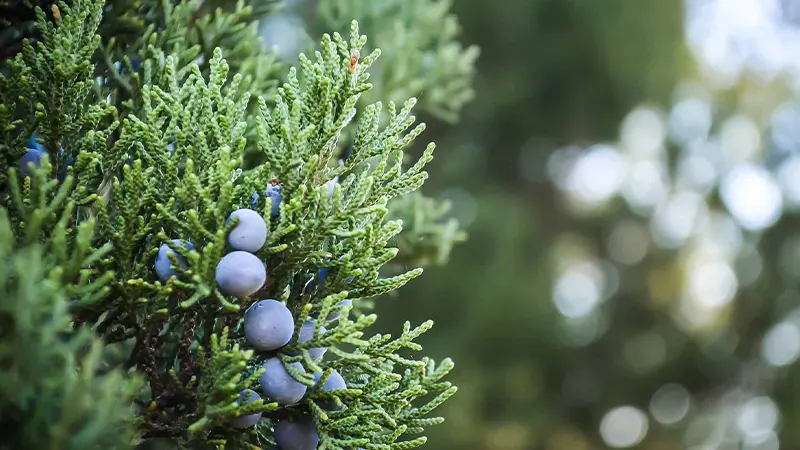


Plant Description and Overview
| Common Name | Blue Point Juniper, Chinese Juniper | Maintenance | low |
|---|---|---|---|
| Native Region | East Asia, including China, Japan, Korea, and Mongolia. | Average Height | 10-12 feet |
| Plant Type | Evergreen Conifer (shrub or small tree) | Average Width | 6-8 feet |
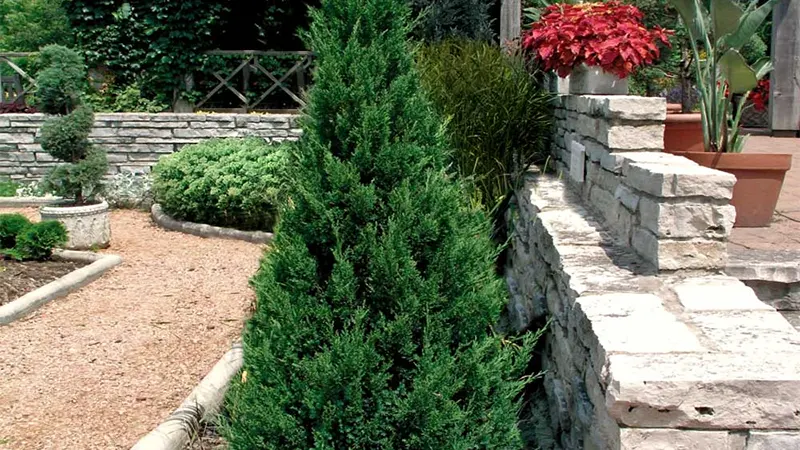
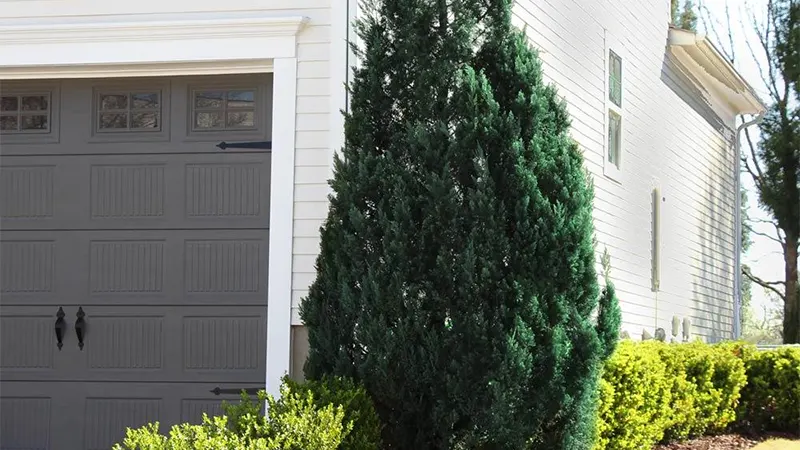
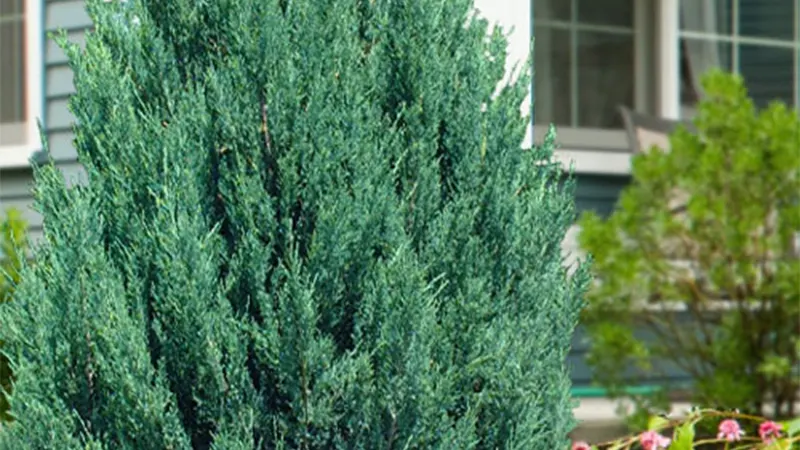
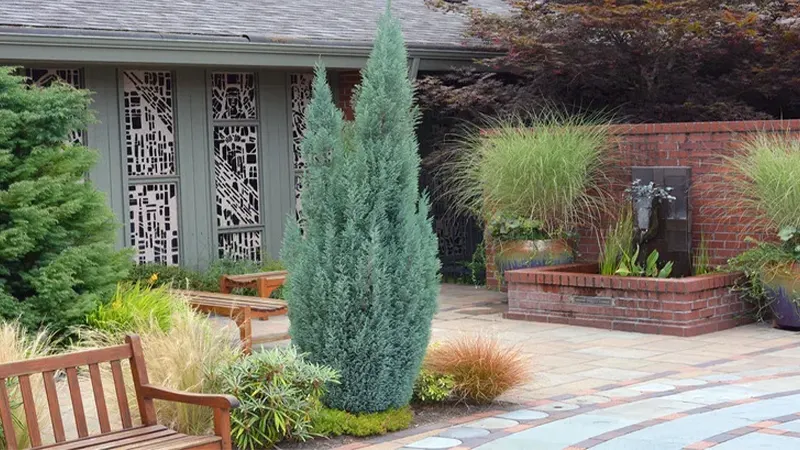
Blue Point Juniper, botanically known as Juniperus chinensis ‘Blue Point’, is a densely branched, cone-shaped species with eye-captivating, vibrant blue-green foliage. These small trees are ideal for privacy screens, windbreakers, and clipping into ornamental shapes.
Once established, they are pest-resistant and low-maintenance, becoming one of the favorites of southern garden enthusiasts.
Key Features and Benefits of Blue Point Juniper
- Juniper Blue Point is a versatile cypress tree cultivar that is resistant to deer, rabbits, and pests.
- Being low-maintenance and drought-resistant once established, the shrub can be used for versatile landscapes, including formal topiary, privacy screens, and windbreaks.
- Due to its well-established nature, it doesn’t need much feeding on fertilizers. One application of slow-release fertilizer in the early spring is enough.
- Blue point juniper growth rate is moderate to high, through which the tree adds up to 6-12 inches of height annually.
Care Guide, Advantages, and Disadvantages of Blue Point Juniper
- Growing Zone : USDA Zones 4–9
- Sunlight Exposure : For the dense foliage and optimal growth, the blue point juniper tree needs 6 to 8 hours of direct sun exposure every day.
- Water Needs :Highly drought-tolerant once it is established, requiring little to no water supplement except during the heatwaves.
- Soil Type : Well-drained soil, including loamy, sandy, and clayey soils with acidic to neutral pH.
Advantages
- Suitable for an urban environment
- because of its resilience to pollution and salt.
- Adaptable to different soil types, including loamy, clayey, and sandy.
- Thanks to its strong roots, it prevents soil erosion, especially in hilly areas.
- Bold structure and color add year-round visual appeal to the outdoor lawns.
Disadvantages
- Won’t grow in shade; less sunlight will
- lead to loss of density and sparse foliage.
- The needles, stems, and berries are mildly toxic if they are consumed.
- Overwatering, especially in clay soil, causes root rot. It dies in standing water.
- Can grow out long and wide, needing sufficient space to prevent overcrowding.


Chris Antonio –
I planted this shrub last year in my garden. Surprisingly, it has grown considerably and attained a beautiful teardrop shape.
Noah Oliver –
The shrub is there in my friend’s lawn. I love how it’s glowing blue and green, cool-toned leaves contrast with the traditional green shrubs, enhancing the overall aesthetic appeal of the lawn.
Charlotte Louis –
I have used this conifer in groupings for a privacy screen, and I am quite impressed by how it is ideal for this because of its year-round color and density.
Liam Oswell –
The conical structure and vibrant leaves, even in winter, make it a perfect choice for outdoor Christmas tree decoration.