




Plant Description and Overview of Munstead Lavender
| Common Name | English lavender | Maintenance | Low |
|---|---|---|---|
| Native Region | Mediterranean | Average Height | 1–2 feet |
| Plant Type | Evergreen perennial sub-shrub/herb | Average Width | 1–2.5 feet |
Key Features and Benefits of Munstead Lavender
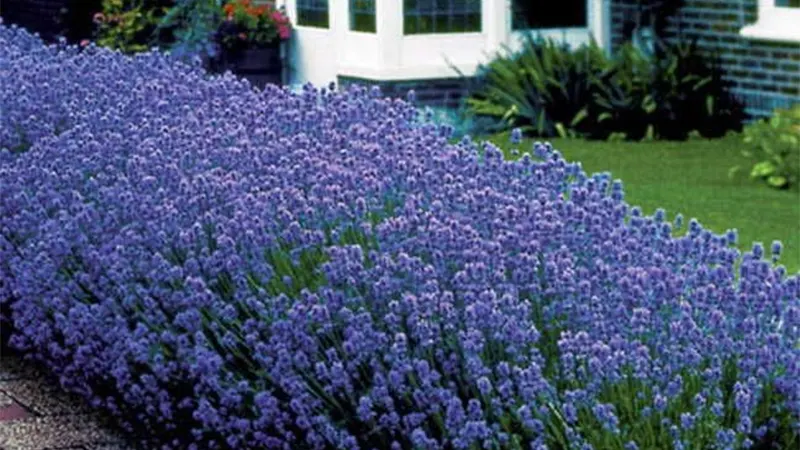
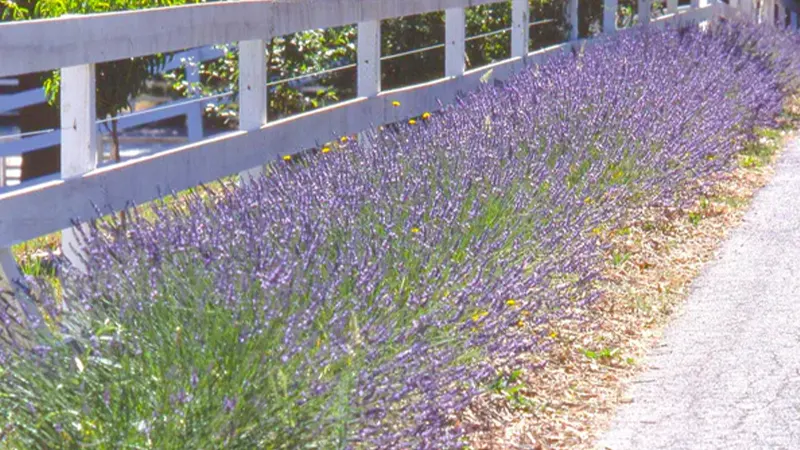
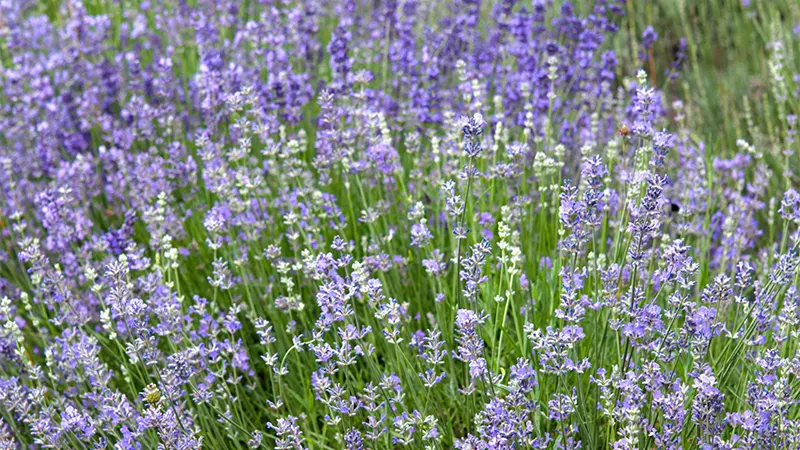
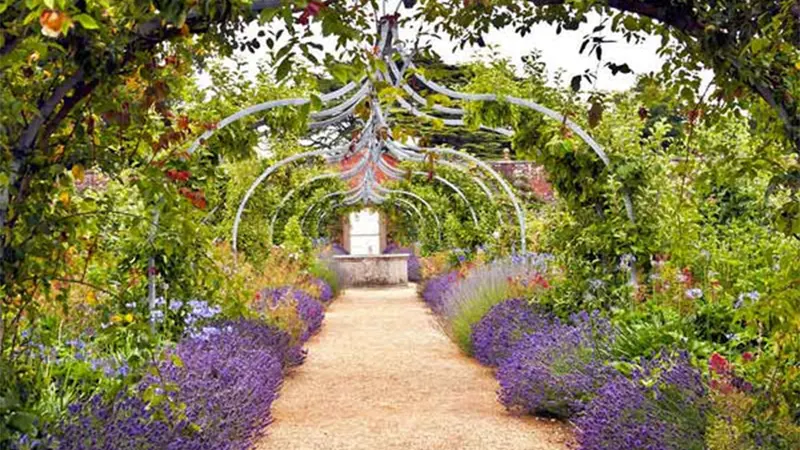
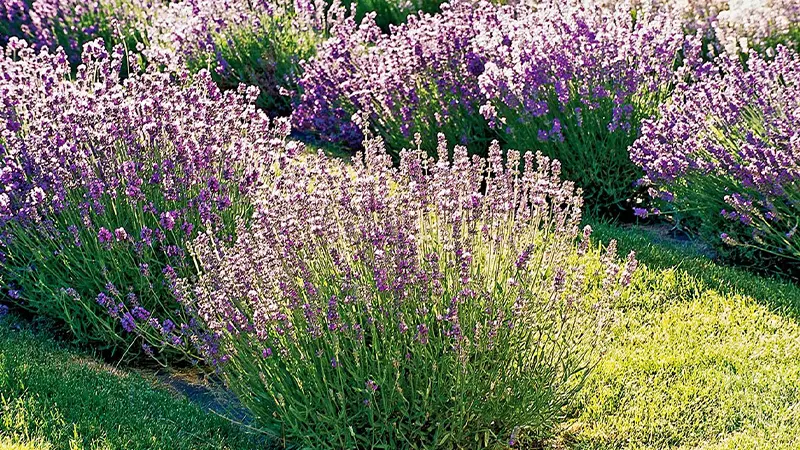
- Typically reaches the height and width of 12-18 inches, making it best for small spaces, border edging, mass planting, and containers.
- Though excess nutrients are not needed, if the soil is poor, use slow-release fertilisers in early springs for enhanced growth.
- Lavender plants Munstead have a fibrous root structure, consisting of many thin and spreading roots that help in improved nutrient absorption.
- Once established, it typically blooms from late spring to early summer, and it has the potential to thrive even in dry spells requiring minimal watering.
Care Guide, Advantages, and Disadvantages of Jane Magnolia
- Growing Zone : USDA 5-9
- Light Exposure : 6 to 8 hours of direct sunlight is crucial for vigorous bloom production and reducing the risks of diseases.
- Water Needs : Consistent moisture is needed in young plants. Once it gets established, it is very drought-tolerant.
- Soil Type : It demands excellent draining soil, preferably loamy, sandy, and clayey with neutral to slightly alkaline pH.
Advantages
- The versatile herb is used for crafting due to its high essential oil content, including floral arrangements, potpourri, and sachets.
- Thanks to the intense scent, it discourages pests. Furthermore, the texture and flavour are unappealing to rabbits and deer.
- Shrub contains essential oils that are used in aromatherapy to support relaxation and improve sleep quality and soothe headaches.
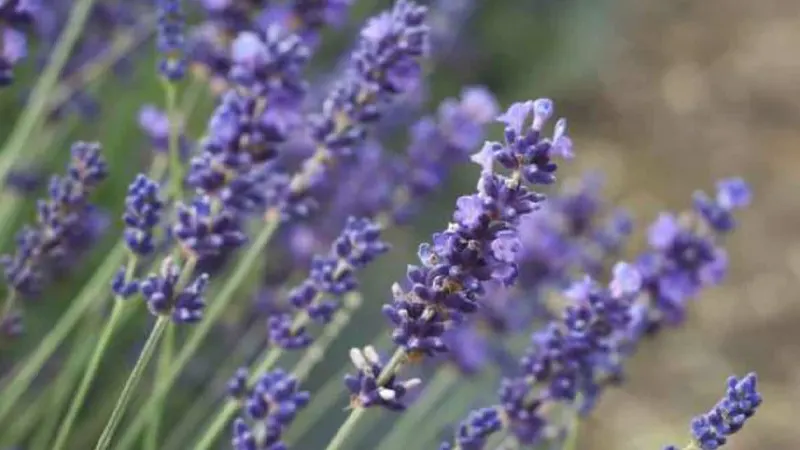
- Due to the fragrant lavender-blue blooms, the shrub acts as a magnet for bees, butterflies, and other pollinators, enhancing the biodiversity of the garden.
Disadvantages
- Susceptible to root rot, struggling in regions with poor drainage and high humidity. Also may not survive extreme harsh winters without protection.
- Without regular pruning (preferably twice a year), the shrub will lose its attractive shape and become woody and scruffy.
- While considered safe for humans, the shrub contains compounds that can be toxic to dogs, cats, and horses if ingested in large quantities.
- Some gardeners have found that the Munstead Lavender does not hold its colour and shape as well as the other varieties in dry conditions, sometimes turning brown.


Charlotte Smith –
My grandmother uses the dried buds of this versatile shrub in making cookies and syrup, which really enhances the flavours. If you want to use them, consider picking the buds as they open, before turning them brown.
Olive Wright –
I bought the shrubs on sale and have made garden borders with them; they are compact and require minimal pruning in the first flush of blooms.
Sam Black –
My sister has harvested them to make fresh bouquets. I must say the lavender-blue flower spikes look stunning when kept in a vase.
Isabel Jones –
The plant is excellent for cooking with its high camphor content. You can use it in diverse desserts, teas, cream cheese, and butter. In this way, the low-maintenance shrub can add a vibrant dimension to your meals.