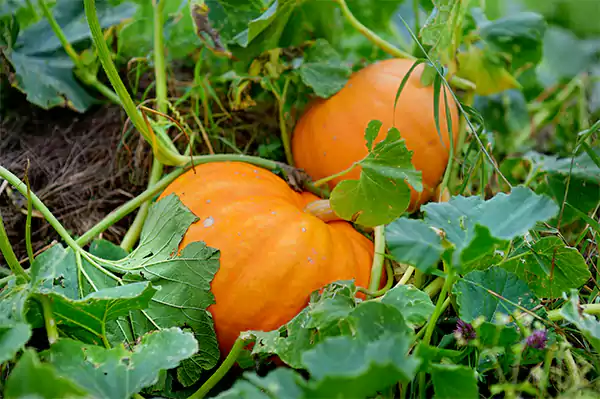
In the days filled with hustle and bustle, I’m always keen to grow plants that are not only rewarding but also quite low-maintenance.
The pumpkin plant fits this frame perfectly. It requires less water, maintenance, and yields high, while also potentially extending the growing season into late fall, offering a gratifying mix of seasonal decoration, edible harvests, and a fun gardening experience.
It has become a very popular garden plant these days because of its immense nutritional value, high productivity, and ability to keep the soil moist. Even eating their seeds is very healthy.
In this article, I’ll discuss the features, nutritional value, culinary versatility, and care guide for pumpkin plants.
Pumpkin Plant: Overview, History, and Origin
The pumpkin plant is botanically known as Cucurbita pepo, C. maxima, and C. moschata, and is a part of the Cucurbitaceae family. It is native to tropical and subtropical America.
It (genus Cucurbita) is botanically unique due to certain reasons, such as:
- Botanically, it is classified as a “Pepo”, a type of berry with a thick, hard outer rind and an interior filled with flesh and pulp.
- They are monoecious, i.e., produce separate male and female flowers on the same plant.
- The flowers are highly dependent on bees for pollination, as they are large, open, and unisexual.
- These plants have long, trailing stems to climb or anchor themselves to the surrounding structure by coiling or branching.
- Pumpkin plants can grow rapidly, and their vines can reach up to 50 ft in length.
- The Cucurbita genus is one of the most morphologically diverse in the plant kingdom. Its fruits vary in shape, size, and colour.
- Its leaves are huge and often described as palmately veined. It helps the plant to maximise the sunlight absorption for photosynthesis.
History and Origin of the Pumpkin Plant
According to archeological evidence, pumpkins originated in Mexico and Central America, dated between 7000 and 5500 B.C.E. Their early varieties are said to be smaller, harder, and more bitter than the sweet pumpkins that we know today.
Native Americans used to utilize them in various ways, such as eating the pulp, roasting the seeds, using the shells as containers, weaving mats with the dried strips, and storing the seeds for either future planting or consumption.
By the 19th century, they had become an integral part of American culture. It became the staple food for the autumn festivals by the fruit association due to its abundance in production.
Botanical Classification and Morphology of the Pumpkin Plant
Pumpkin plants belong to the genus Cucurbita, which lies in the Cucurbitaceae family (also known as the gourd family). Its major cultivated species are C. pepo, C. moschata, and C. maxima.
Botanical Classification
| Kingdom | Plantae |
| Class | Magnoliopsida (dicotyledons) |
| Division | Tracheophyta (vascular plants) |
| Order | Cucurbitales |
| Family | Cucurbitaceae |
| Genus | Cucurbita |
| Species | C. pepo, C. moschata, C. maxima, C. argyrosperma, and C. ficifolia |
Morphology of Pumpkin Plant
| Stem |
|
| Leaves |
|
| Tendrils |
|
| Flowers |
|
| Root System |
|
| Fruit |
|
| Seeds |
|
Nutritional Qualities of Pumpkin
This genus is a low-calorie, nutrient-dense food that is filled with vitamins (A, B, C & E), minerals such as potassium, copper, iron, and magnesium, antioxidants (beta-carotene), and fiber.
These nutrients have a vast range of fantastic benefits, which include;
- A high volume of beta carotene has many benefits, including:
- Reducing the risk of developing cancer.
- Protecting against heart disease.
- Decreasing the risk of asthma.
- Offering protection against muscular degeneration.
Did you know?
- According to a 2017 study, consuming enough potassium is very important for the treatment of high blood pressure as well as cardiovascular diseases, and pumpkin is a natural source of it.
- The 2014 cross-sectional study showed that beta carotene slowed down the development of colon cancer in Japan, and it is present in pumpkins in large amounts.
- Having pumpkin in the diet can help people control their blood sugar levels and diabetes.
- As per the FoodData Central database of the United States Department of Agriculture, 245 grams of cooked or boiled pumpkin (without salt) contains:
Protein 1.76 g Fiber 2.7 g Calories 49 g Fat 0.17 g Cholesterol 0 g Carbohydrate 12 g
How to Grow a Pumpkin Plant and What are the Ideal Conditions Needed?
Growing a pumpkin is not just growing another vegetable or fruit; it marks the arrival of the golden season, fall. They not only serve good looks or come across as an aesthetic indoor vine, but are also full of various sorts of nutrition. They require certain seasonal garden care to thrive.
Planting them in the garden beds or balcony gardens is not that much of a hectic activity; all it needs is a lot of moisture, compost-enriched soil, and plenty of sun. If you meet all these requirements, you will get a flourishing harvest.
How to Grow Pumpkin Plants? A Quick Guide
- Plant them near the edge of your garden in the early summer.
- Depending on the variety, give a 2 to 5 meter gap between the pumpkin plants.
- Grow each of the plants on a 3-foot-wide mound of fertile, warm soil that has a pH value of 6.0 to 6.8.
- Improve the quality of your soil by mixing in rich organic matter or several inches of aged compost.
- Use drip irrigation or a soaker hose, as pumpkin plants require a lot of water, but do not wet the leaves.
- Elevate the pumpkins off the soil when they start to form to avoid rotting.
- When the skin gets firm, reaches its ideal color, and the stems start to wither, it is time for the harvest!
Ideal Conditions that are Needed for Growing Pumpkins
- Sunny Environment: They require 6 to 10 hours of direct sunlight per day. A pumpkin plant growing in the shade cannot mature properly.
- Warm Temperature: The ideal growing temperature of pumpkin plants is between 23°C and 32°C (65-95°F).
- Nutrient-Rich Soil: They require well-drained, loose, and sandy loam soil. The soil should be rich in minerals and organic matter with a pH between 6.0 and 6.8.
- Space: There should be a space of 50 to 100 sq ft between each plant, depending on its variety.
- Watering: Consistent moisture is crucial for the growth of pumpkin plants. They require around 1-2 inches of water per week.
Important Cultivation Tips
- Use pumpkin seeds for planting. Sow seeds 1 inch deep in mounds when the soil temperature is around 65°F (18°C).
- To boost the growth of the vines, use nitrogen-rich fertilizers early on, then switch to potassium- or phosphorus-rich fertilizers just before the flowers begin to bloom.
- Bees are responsible for the process of pollination. So, in any case, if the bees are not there, you will need to hand-pollinate by transferring the pollen from the male flowers to the female flowers.
- When the pumpkin reaches its ideal color, its rind gets hard, and the stems begin to dry; then it is harvest-ready.
- After harvesting, cure them in a warm, sunny, and dry space for 10-14 days. It will harden their skin and make them easier to store.
Different Growing Stages of Pumpkin
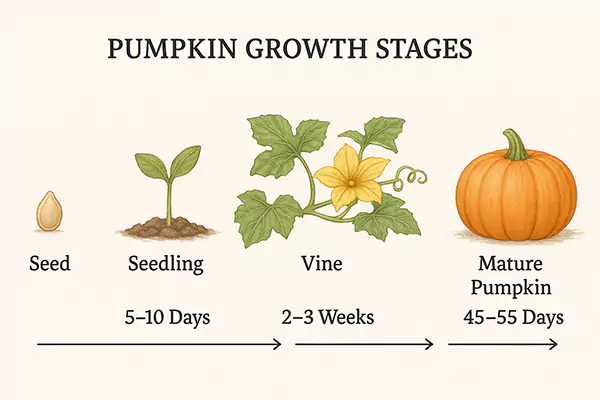
Pumpkin plants progress from seeds to mature fruit in 90-120 days, depending on their variety. Its growing stage moves through germination, seedling growth, formation of leaves, vine development, flowering, pollination, formation of fruits, ripening, and then finally harvesting.
- Seeds: Planted, and within 5-10 days, they sprout, pushing out two cotyledons.
- Seedling: A week after sprouting, the plant starts developing lobed leaves and a root system.
- Pumpkin Vine Growth: Vines start growing rapidly, and bright yellow flowers appear.
- Mature Pumpkin: The pumpkin reaches its full size, the colour deepens, the skin gets hard, the vine tendrils get dry, and it is ready to harvest.
When to Plant and Harvest Pumpkins?
Pumpkins are planted in the late spring to early summer, when the soil gets warm, and the best time to harvest them is in autumn, when the vines turn brown, the skin gets hard, and the stem cracks.
When and Where to Grow Pumpkins?
- When to Plant Pumpkin Seeds: Between late spring and early summer (May-July), as during this time the soil is warm and reaches a temperature of around 60°F/15°C.
The timing of planting also depends on your region and the variety of pumpkin.
- Where to Plant: Make sure to choose a sunny location where there is no shade. A pumpkin grown in full sun develops faster, gets larger in size, and has a more vibrant colour.
When to Harvest Pumpkins?
- In many areas, it is common to start the plantation in late May-June, which allows the crop to be harvested ready by the month of October.
- While harvesting, cut the stem with pruning shears and leave 2-4 inches attached to the pumpkin. It will increase the storage life.
- Although the vines of the pumpkin plant can handle a light frost, it is better to harvest before the hard freeze to avoid damage.
Different Varieties of Pumpkin Plant
Different varieties of this genus are categorized because of their shape, size, texture, and colour. They range from miniature, ornamental varieties to massive genera. The most popular varieties include:
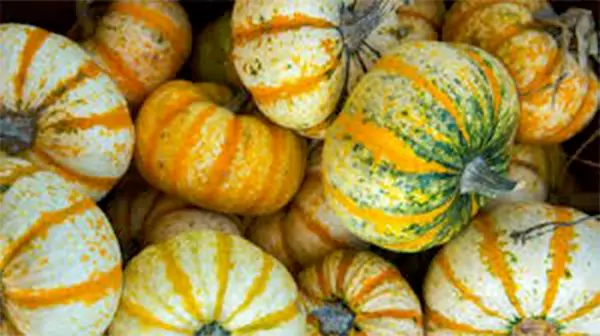
Cucurbita Pepo
| Key Characteristics | |
| Appearance |
|
| Fruit |
|
| Growth |
|
| Propagation |
|
| Nutritional Value |
|
| Varieties |
|
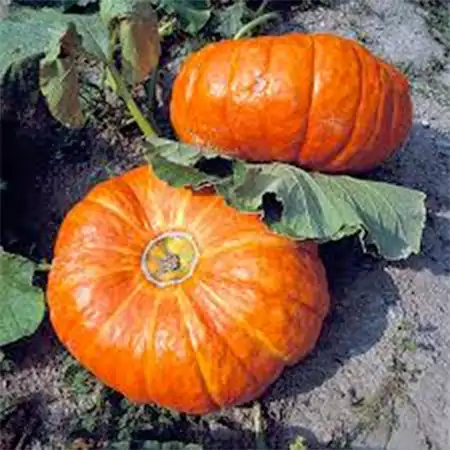
Cucurbita Maxima
| Key Characteristics | |
| Appearance |
|
| Fruit |
|
| Growth |
|
| Propagation |
|
| Nutritional value |
|
| Varieties |
|
Cucurbita Moschata
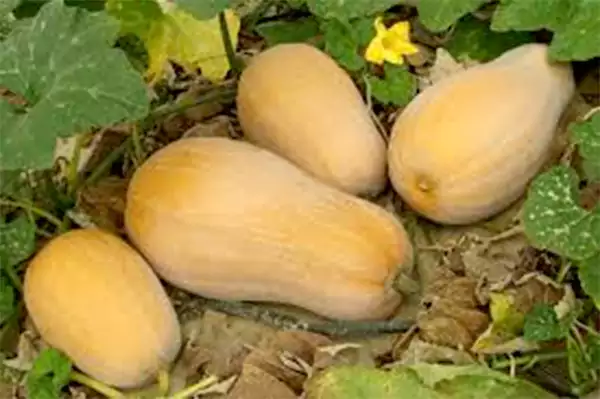
| Key characteristics | |
| Appearance |
|
| Fruit |
|
| Growth |
|
| Propagation |
|
| Nutritional Value |
|
| Varieties |
|
Cucurbita Argyrosperma
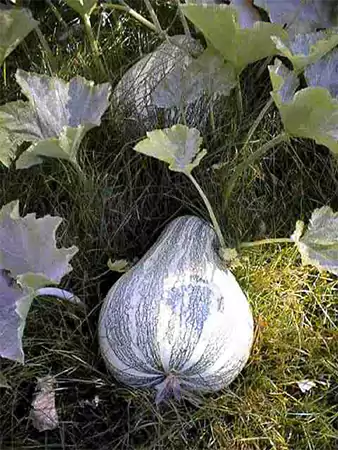
| Key Characteristics | |
| Appearance |
|
| Fruit |
|
| Growth |
|
| Propagation |
|
| Nutritional Value |
|
| Varieties |
|
Let’s Explore Some Great Pumpkin Recipes
Pumpkin is a very versatile ingredient that is used in various recipes ranging from desserts to sweet and savory dishes. Here are some top-rated pumpkin recipes:
- Roasted Pumpkin Soup
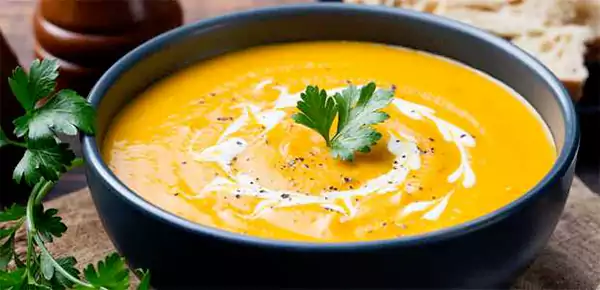
It is a classic pumpkin recipe that is popular among all age groups of people. It is often enhanced with lemongrass, ginger, or coconut milk to give it a Thai twist.
- Pumpkin Chili
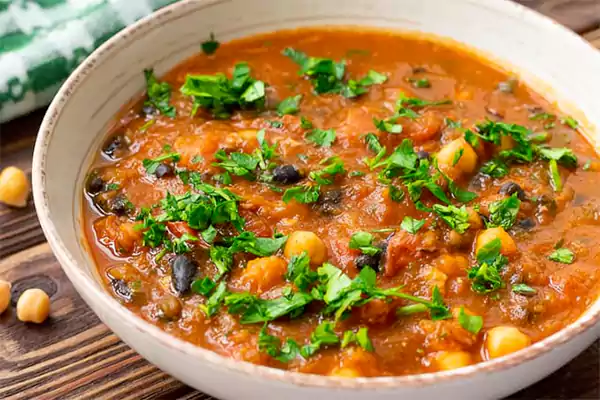
In this recipe, pumpkin puree is poured into turkey or white bean chicken chili, making the texture extra creamy and full of fiber.
- Indian Pumpkin Curry (Kaddu ki Subzi)
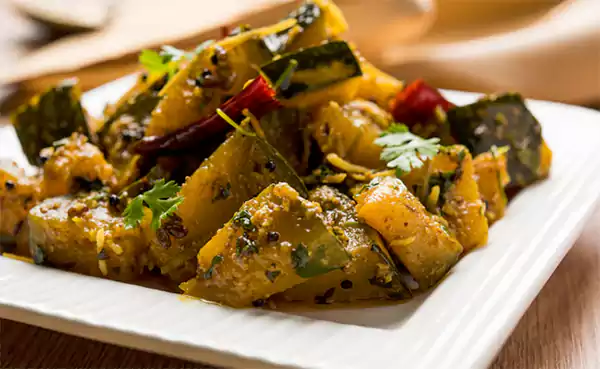
It is a sweet, sour, and a bit spicy Indian dish (especially in North India) that is often enjoyed with puri or roti.
- Pumpkin Ravioli with Sage Butter Sauce
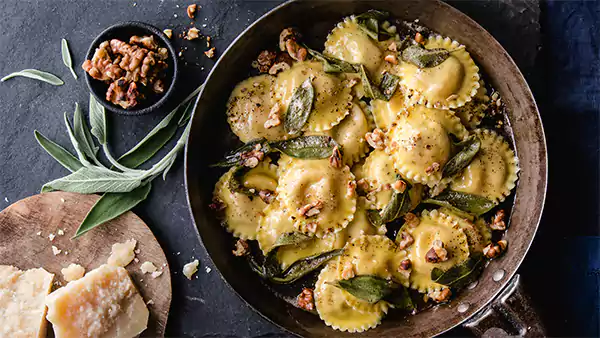
It is a sophisticated pasta dish with sweet pumpkin filling, which perfectly balances the taste of sage and savory brown butter.
- Pumpkin Risotto
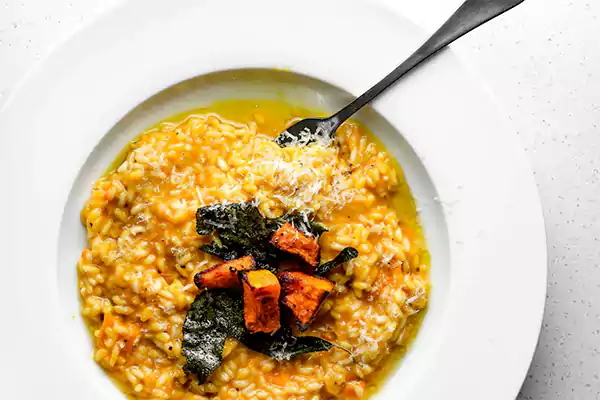
It is very creamy in texture. Pumpkin Risotto is usually paired with goat cheese, sage, and feta.
- Roasted Pumpkin Salad
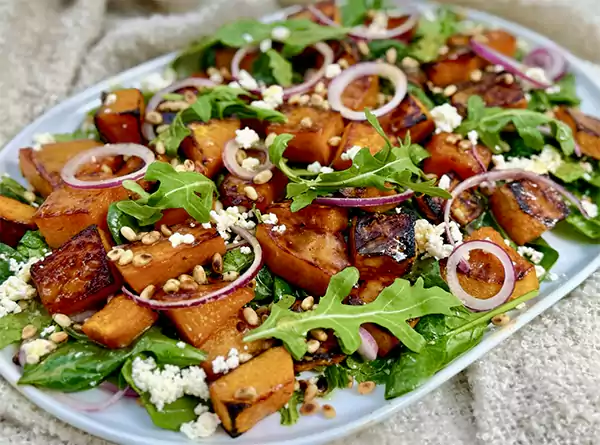
This recipe consists of roasted pumpkin cubes, pomegranate seeds, nuts, and feta.
Interesting Facts about Pumpkin
- Each and every part of the pumpkin is edible, including the skin, leaves, flower, and seeds.
- It is a rich source of vitamin A, potassium, and fiber.
- It is one of the oldest crops, dating back to 7000-5550 B.C. (as per the evidence of pumpkin seeds found in Mexico).
- The largest pumpkin species is the Atlantic Giant, which is capable of growing up to 50 pounds per day.
- The world record for the largest pumpkin was set in 2021, and its weight was 2,703 pounds.
- The word “Pepo” comes from the Greek word “Pepon,” which means “large melon”.
- Morton, Illinois, is known as the “Pumpkin Capital of the World.” It processes over 100,000 tons of pumpkins annually.
- 85% of the world’s canned pumpkin is packed in Nestlé’s/Libby’s plant, located in Morton village.
- Pumpkins are 90% water, which is good for weight management and digestion.
Conclusion
Pumpkin plants are sustainable, versatile, and high-yielding. They thrive in warm weather conditions and moist soil. They’re a low-maintenance but highly profitable crop that can be grown by both commercial farmers and home gardeners.
Due to their medicinal properties and culinary versatility, each part of the pumpkin plant is valuable, from flesh and seeds to leaves. It contains vitamins, minerals, and antioxidants that offer therapeutic benefits, such as antidiabetic, anti-inflammatory, and antimicrobial properties, making it valuable for the pharmaceutical industry.
FAQs
Do pumpkin plants like sun or shade?
Pumpkin plants require at least 6 to 10 hours of direct sunlight daily for their optimal growth and development.
Are pumpkins a fruit?
Scientifically, pumpkins are considered fruits because they have seeds. But they are referred to as vegetables when it comes to cooking.
How long do pumpkins take to grow?
Check your seed packet to know the variety, as, depending on the variety, it’ll take 80-120 days to mature fully.
Are pumpkin plants easy to grow?
Pumpkin plants are generally easy to grow, which makes them a beginner-friendly crop.
Do pumpkins need a lot of water to grow?
Yes, pumpkins need a lot of water to grow. It requires around 1-2 inches of water per week in order to develop fruits.
Can I plant pumpkins in August?
Planting pumpkins in August is generally considered too late, as it requires around 90 to 120 days to mature fully. However, there are certain smaller varieties that require less time to ripen, making it possible to harvest them before late autumn.
- Phytochemical Composition and Health Benefits of Pumpkin – Research Journal of Pharmacy and Technology
- Overview of Cucurbita spp. (pumpkin) and development of value-added products emphasizing its nutritional and chemical composition – World Journal of Advanced Research and Reviews
- How to grow pumpkin – BBC Gardening Guides
- Pumpkin: A Brief History– Missouri Environment & Garden