“Your home should be the antidote to the world, not a reflection of its chaos.”
In a world that never seems to pause, your home shouldn’t be a place where you crash after a long day. It should be the place where you come back to life. Restorative living isn’t about luxury or minimalism for the sake of aesthetics; it’s about intentionally engineering your environment to heal your nervous system.
Key Takeaways
- Zone your home, create separate areas for work and relaxation.
- You can also use automation to enhance the atmosphere.
- Always prioritize natural light to regulate your sleep.
- Use of earthy tones can help you lower visual stimulation.
What Makes a Living Space Feel Truly Restorative
A restorative space anticipates your needs; it can lower cortisol levels immediately. This sensory sanctuary with cleaner air, deep-breathing layout, and softer lighting transforms a house from a mere storage unit for belongings into a home that feels like a warm and healing embrace.
How Modern Lifestyles Disrupt Physical and Mental Balance
Modern life’s sensory overload epidemic, which is fueled by blue light and constant notifications, keeps our brains in a perpetual fight-or-flight mode. This chronic stimulation blurs the lines between work and rest, making true stillness nearly impossible to achieve even during moments of supposed relaxation on the sofa.
Fun Fact: The scent of lavender doesn’t just smell nice; it can actually help lower your heart rate by triggering a chemical reaction in the brain.
Core Design Elements That Support Restorative Living
While choosing certain design principles for your indoor spaces, you must keep the external world chaos you experience daily.
Natural Light
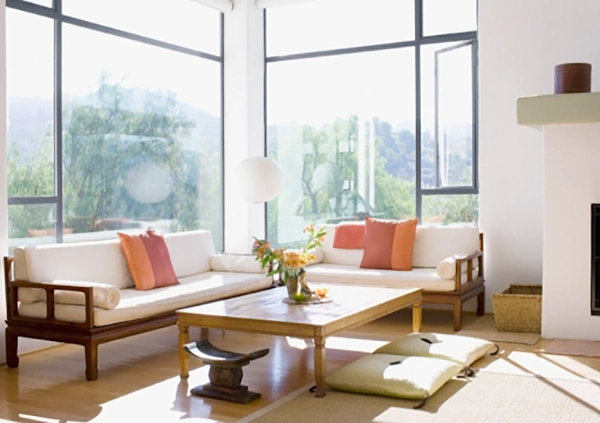
Sunlight regulates our internal clocks. To maximize natural exposure synchronizes your circadian rhythm and boosts your mood and sleep. Using sheer curtains can provide you with privacy, and placing mirrors opposite the windows so that they reflect light can illuminate shadowy areas.
Calm Color Palettes
The psychology of color is powerful. To experience a calming effect, you can select colors like light green, pastel blue, or clay-like red. These colors will not demand your attention; they will provide you with an atmosphere where you can let your mind rest.
Sensory Balance
True comfort goes beyond what you actually see. It’s the soft pile of a rug underfoot, the subtle scent of sandalwood, and the absence of jarring echoes. Recent data indicate that Americans are increasingly investing in comfort-based home improvements to turn their primary residences into full-time wellness retreats.
Furniture and Layout Choices That Encourage Relaxation
The way you arrange your physical world decides how you move through it; either you can create friction or flow.
Ergonomic Seating
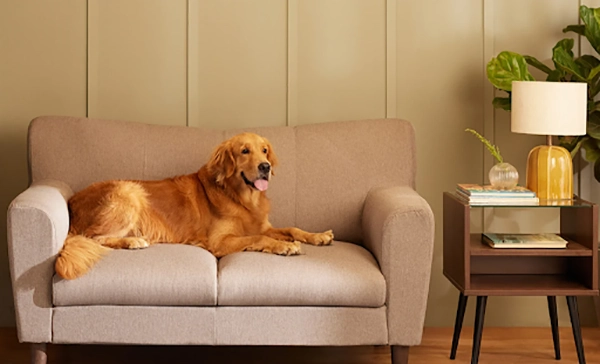
Your body cannot rest if it is struggling to find support. You can invest in pieces that follow the natural curve of your spine. Relaxation is a physical requirement, not a luxury, and your furniture should reflect that.
Purposeful Zoning
In modern open-plan homes, everything happens everywhere. To restore the balance, you need ‘zoning.’ You can create a dedicated corner for reading, a tech-free zone for dining, and a workspace that can be physically hidden away when the clock hits five.
Reducing Visual Noise and Mental Clutter in Shared Spaces
Visual clutter is a silent problem for your mental peace. Everything in your line of sight is a task your brain has to process. By embracing closed storage and selecting ‘hero’ pieces of decor rather than a dozen small trinkets, you can reduce the cognitive load on your brain. When the room is quiet, your mind can finally be still.
Did You Know?
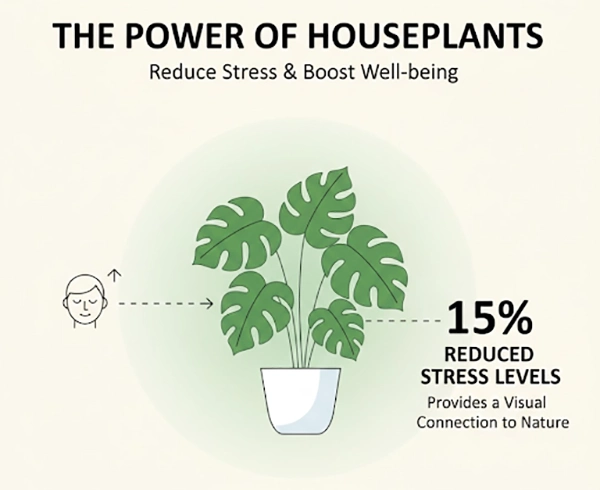
Houseplants have the ability to reduce stress levels up to 15% just by providing a visual connection to the outdoors.
Blending Calm Tech in a Modern Household
Technology need not be intrusive. Calm tech uses background smart features such as auto-dimming amber lights or white-noise air purifiers to serve wellness instead of distraction. You should focus on technology that doesn’t distract you or seek attention but offers you a peaceful environment by working behind the scenes.
Final Thoughts
Building a restorative home is not only a journey about adding things; as much as addition is essential, removing stressors from your home is also necessary to make you feel whole.
When your home becomes a battery charger for your soul, you’ll find that you have much more to give to the world outside.
What is the best color for a restorative room?
You can select any color that is soft on your eyes, but if you want to go with something relatable to nature, soft blue or soft green are great choices.
Is it possible to create a restorative space on a tight budget?
Yes. You just need to declutter, add low-maintenance indoor plants, and rearrange furniture for better flow to change the energy of your room.
How to deal with ‘tech-clutter’?
Tangled cables can create stress unconsciously, so make sure that you use cord organizers or decorative boxes to hide wires.