With its glossy foliage and upright growth, the rubber tree is one of the most adorable indoor plants, adding warmth to your sweet home and bringing everything together.
But the sensitivity of this plant really makes it hard to care for it, leading to yellowing or falling foliage. Hence, to help you overcome the challenges of indoor rubber tree plant care, I’ve comprehensively outlined the rubber plant care tips.
So without any ado, let’s grow together!
Rubber Plant: Botanical Classification and Morphological Overview
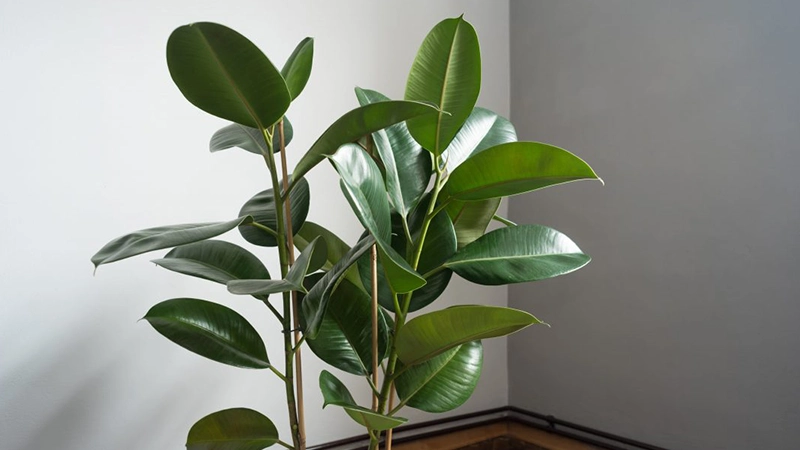
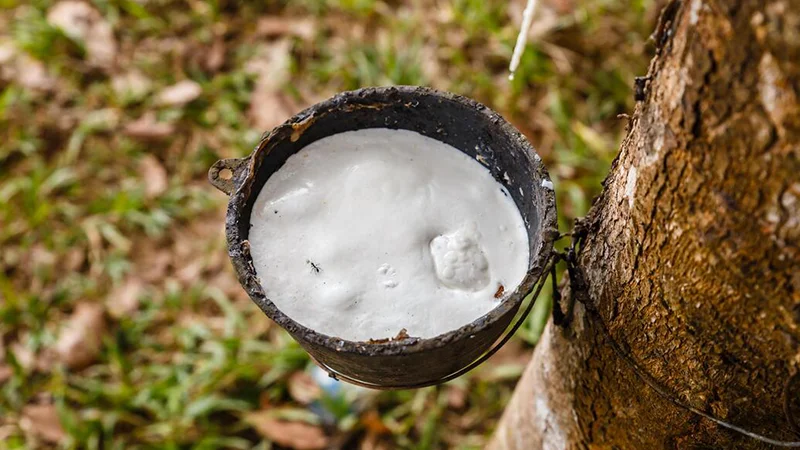
The rubber tree is a low-maintenance variegated plant that releases a milky white latex substance. In addition, the latex from the veins of this plant is particularly used for making small rubber balls and other rubber-related equipment. It has dark, glossy leaves available in all shades of green, adding color and life to your home.
Apart from aesthetics, it also cleans the inside air, removing harmful pollutants and toxins around your family. Trust me, watching the new leaves unfurl is one of the most therapeutic things you’ll experience.
Here’s a quick botanical and morphological overview to assist you in rubber plant care!
| Category | Details |
| Botanical Name | Ficus elastica Roxb. ex Hornem |
| Kingdom | Plantae |
| Order | Rosales |
| Family | Moraceae (mulberry/fig family) |
| Genus | Ficus |
| Species | elastica |
| Common Names | Rubber plant, Rubber tree, India rubber plant, Rubber fig |
| Habitat | Native to South and Southeast Asia |
| Hardiness Zone | 10-12 USDA |
| Growth |
|
| Types of Rubber Plant |
|
| Morphology | Evergreen tree with a stout trunk and thick, glossy, and leathery leaves that grow up to 30 to 45 cm long. |
| Latex and Sap | Milky latex sap tapped for rubber production |
| Environmental Benefits | Improves indoor air quality |
| Toxicity | Toxic if ingested by pets and humans. |
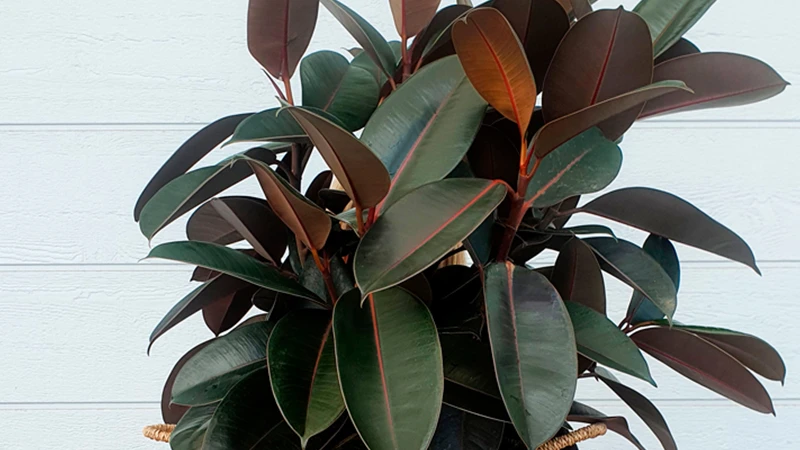
| Varieties | Popular ornamental cultivars include ‘Robusta’ (large leaves), ‘Burgundy’ (dark foliage), ‘Tineke’ (variegated), and several others with unique leaf patterns. |
Now that you have a basic understanding of Rubber plant morphology, let’s take a quick look at how to take care of rubber plants in the subsequent section.
How to Care for a Rubber Tree Plant?
Ficus is a very sensitive plant and does not react well to the nearby environmental changes. These rubber plant care tips will help you ensure the longevity of your rubber tree, so give them a good read!
Fertilizers
Add a liquid houseplant fertilizer and dilute it to half-strength. Feed this mixture once a month, especially in the blooming season.
Repotting
These plants can shoot up to six to ten feet tall in the right conditions. So repot it every two to three years to prevent root rotting. For best results, repot in spring. Always choose a new container, usually two inches larger than the previous one, and partly fill it with potting mix. Now, place the roots almost an inch below the rim and fill it with soil.
Pruning
Prune your rubber plant from the central stem back to a leaf node, allowing the side branches of the tree to grow properly. Furthermore, cut the dead leaves to prevent disease.
Watering
Rubber trees hate overwatering and should only be watered every 1-2 weeks when the top 2-3 inches of the soil are dry. Avoid overwatering, as oversaturation can lead to root rot.
Leaf Care
Shiny leaves are the focal point of rubber plants. So keep them nice and clean with a damp cloth, removing dust. Do not spray any leaf-shining liquid; it may compromise the health and photosynthesis process of the plant.
Propagation
Propagation is an inevitable garden care tip to keep your plant alive. Cut stems during early spring, or you can try air layering to root a plant stem while it is still attached to the parent plant.
‼️Word of Caution‼️
Use a pair of gloves and long-sleeved clothes during indoor rubber tree plant care to avoid the white sap getting in contact with your skin, as it’s a toxic substance leading to skin irritation.
What to Consider Before Growing a Rubber Plant?
Indoor rubber plants are beneficial in several ways, as they clear out the toxins inside the house. But growing this tree is not an easy task, as it is very sensitive to the nearby environment and can die quickly. So here’s what to consider before planting a rubber plant as an extra caution!
- Sunlight: All the rubber trees thrive in bright and indirect sunlight, but the direct exposure and scorching heat of the sun can permanently damage the leaves. So choose a south, west, or east-facing window for adequate sunlight.
- Humidity: Rubber is a tropical plant and thrives only in high humidity. Ideally, it needs 40% to 60% RH (relative humidity) to prosper.
- Soil: Ensure that you have a well-draining potting mix of soil, peat, and pine bark that has a slightly acidic to neutral pH for rubber plant indoor care.
- Pot Requirements: Go for a pot that is 1 to 3 inches wider than the root ball with adequate drainage holes. Always opt for a larger and heavier clay, ceramic planter, or plastic container for durability.
How to Plant a Rubber Tree?
After having a profound understanding of indoor rubber plant care, you are all set to add this majestic tree to your space. Just adhere to the steps given below, and you’ll have a thriving flora to add to your home-decor aesthetics.
- Firstly, take a clean and dry pot, which should not be more than ⅓ larger than the root ball of your plant.
- Now, fill the pot with a liquid indoor potting mix that consists of a unique mixture of drain wells supporting good circulation of air, water, and nutrients.
- Put on a pair of gloves and a long-sleeved shirt to avoid direct exposure to the white latex coming from its stems.
- Carefully place the plant in the container and keep the top of the root ball just an inch below the rim to prevent erosion of soil while watering.
- Add some more soil around the root ball and water adequately until the water drains out from the bottom of the pot.
- Place a saucer under the pot and locate your plant near a window with access to indirect sunlight.
Common Problems and Pest-Related Diseases That You Might Face While Rubber Tree Plant Care
Being one of the most sensitive plants, the Rubber tree is vulnerable to multiple pest-related diseases and can also cause a little trouble. Here are a few tried and tested techniques that will help you troubleshoot some common problems during indoor rubber tree plant care.
- Curling of Leaves: Leaves may curl up due to insufficient watering. Though this plant is generally drought-tolerant, it also needs adequate water every 1-2 weeks and humidity to prosper. If the air inside your home is dry, consider investing in a humidifier or misting the leaves at regular intervals.
- Brown Edges: The brown leaf edges are again a sign of low humidity. If it’s frequent, do not let the soil get completely dry, and simply trim off the affected areas with sharp scissors.
- Leggy Appearance: Your rubber tree may stretch towards the light, appearing leggy, especially if the sunlight is inadequate. To fix this issue, immediately relocate your plant to give it exposure to indirect sunlight. Furthermore, consider rotating your plant, and, if needed, support it with a wood or bamboo stake.
- Leaves Falling: The loss of leaves is a common issue in new plants; move it near a window where it can get adequate sunlight. Wait for some days until the rubber tree adjusts to your house’s temperature and humidity.
- White Spots on Leaves: Tiny white deposits on the leaves of rubber trees are nothing but mineral deposits called lithocysts. They do not harm the plant in any way, and the extra minerals even help in photosynthesis.
- Yellow Leaves: The yellow leaves are often associated with root rot and overwatering. Wait for the soil to completely dry out between watering sessions.
- Pests: Rubber trees are prone to spider mites, mealybugs, and sticky residue. To prevent it, wipe the leaves with soapy water, immediately isolate it, and treat it with neem oil or insecticidal spray. Repeat this process on a weekly basis and monitor the humidity levels to prevent reinfestation.
Wrapping Up!
Rubber is a sensitive plant; hence, you need to be very particular with rubber plant care. These plants don’t react well to repotting or relocating and might even die due to the changes. You need to take note of the above-mentioned rubber tree plant care tips.
Furthermore, keep these plants away from the pets’ and kids’ reach, as they contain harmful toxins if ingested. So it’s best to position them thoughtfully where they can be enjoyed safely without posing unnecessary risks to anyone in the household.
FAQs
How do you care for a rubber plant indoors?
To care for an indoor rubber plant, you need to ensure indirect sunlight, adequate watering, well-draining soil, proper nutrition, and humidity.
Where should I place a rubber plant in my house?
Keep your rubber plant in bright indirect sunlight near an east-, west-, or south-facing window to provide decent humidity and warmth.
How often should I water my rubber plant?
Ideally, you should water your rubber plant every 1-2 weeks, making sure the top two inches of the soil are completely dry between waterings.
Does a rubber plant need sunlight?
Yes, a rubber plant needs six to eight hours of indirect bright sunlight to thrive.
What are the disadvantages of rubber plants?
Rubber plants are toxic to pets and humans if ingested, even in small quantities. The milky white sap from these plants causes skin irritation and can also cause gastrointestinal distress.