KEY TAKEAWAYS
- Learn how to integrate the pool into the home’s language
- Understand how to create atmosphere through placement and surroundings
- Discover ways to blend spa culture with daily living
Spa pools are a great way to relax and enjoy the therapeutic benefits of warm water in the comfort of your home. They are amazing for reducing stress and easing sore muscles, or just have a fun place to spend time with your family and friends.
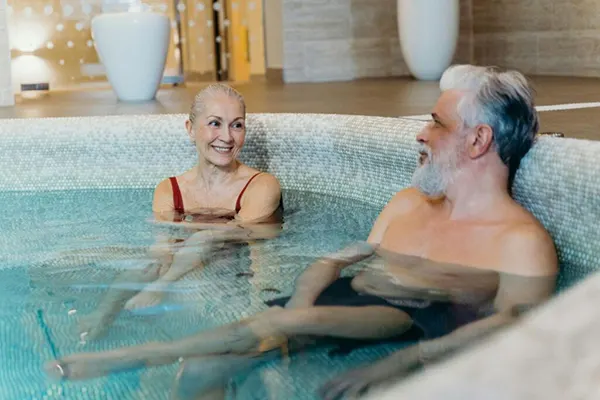
If you work sitting on a chair for more than 6–7 hours or do intensive exercise or are crossing the age of 40, these types of spa pools are a great addition to your home.
In the market, there is a range of spa pools, which goes from portable, inflatable options for easy setup to luxurious, in-ground models. One should choose the one with the spa pool according to the design and vibe of the home. Let’s continue with the article and learn more about the elegant spa pool designs for modern homes.
Letting Water Become a Soft Anchor
Water holds a certain power. It calms by simply existing. When designing a spa area, let the pool take the lead. Instead of overwhelming the perimeter with decor or furniture, carve a clean area around it.
Give the water room to glow, shimmer, and command attention. The setting should unfold gently—timber platforms, delicate lighting, plants that lean in without demanding attention.
This approach promotes stillness not by force but by suggestion. The pool becomes the main attraction that draws the eye and slows the pace.
Even in compact homes, a carefully planned positioning—close to a sliding door, beside a small courtyard garden, under an overhang—allows the spa to look bigger than its measurements.
Integrating the Pool Into the Home’s Language
Modern homes generally speak in straight lines, muted tones, and materials selected for both function and elegance.
A spa pool sits perfectly in this language when it shares the same vocabulary. Think of tiled exteriors in warm stone shades, pitch-dark composite decking, matte metal edging, or completely submerged lighting that glows like lanterns beneath the surface.
When the pool’s design reflects the architectural style, it stops feeling like an added feature and starts feeling like it has always been there. Even an outdoor spa can feel like a natural extension of the interior by keeping continuity in materials or repeating a pattern found in the home.
This connection forms a seamless transition between living spaces and the water haven.
Shape, Texture, and the Art of Quiet Luxury
The elegance of a modern spa pool usually lies in what you don’t tell. Big gestures rarely create tranquility; small, conscious choices do.
Shape and texture impact how people move around the pool, how light acts on surfaces, and how the entire area feels after dark. These details transform the atmosphere more than size ever does.
Sculpted Pools That Guide Movement
Circular, square, oval, or softly irregular—spa pools take many shapes, and each one tells a different story. Rounded pools call for lingering; they feel natural, organic, nearly meditative. Rectangular shapes feel controlled and structured, creating a sense of elegance. Slightly offset curves or asymmetrical edges add excitement without tipping into flamboyance.
Picture a shape as choreography: it tells how people enter the water, where they sit, and how they shift.
Choose a form that helps your home’s personality. A pool near a simple deck might benefit from a crisp silhouette, while a pool tucked near a leafy garden thrives with subtle curves. Shape dictates pace, and pace sets the emotional frame.
Layers of Material That Whisper, Not Shout
Surface texture plays a subtle but powerful role. Stone slabs near the perimeter add dimension and warmth. Smooth concrete platforms reflect modern restraint. Timber, when sealed correctly, softens the whole setting, especially under bare feet.
Inside the pool, the mosaics work almost like adornments—small hints of shimmer once the water starts to move. Deeper shades create impressive reflections; pale tones brighten the space by reflecting light outward.
When selecting materials, the objective isn’t opulence. It’s calm. A spa pool should feel like the gap between two breaths. You want textures that age seamlessly, interact beautifully with water, and let the environment be expressive without competing for attention.
Creating Atmosphere Through Placement and Surroundings
Locations shape experience more than most people realize. A spa set in a forgotten corner feels apologetic. A spa placed strategically becomes a moment—an invitation. Its surroundings set the mood long before feet hit the water.
Positioning That Shapes the Scene
Place the spa where it feels welcomed, not hidden. For example, set it near a garden bed where tall grasses dance, or along a deck edge so the house lights glow with soft halos after dusk. Position it under a pergola if you want private space, or expose it to open sky for a touch of dramatic appeal.
Views matter—not grand majestic ones but simple, honest ones. A bunch of potted evergreens, a stone wall, a sculptural screen. These frame the experience, making a cocoon without closing the area entirely.
The best spa positions offer privacy without feeling locked in, openness without inviting every neighbor’s glare.
Surroundings That Deepen the Mood
Landscaping around a spa pool doesn’t necessarily need to be lush; it simply needs intention. A few well-placed plants—maybe hardy natives, fragrant species, or architectural leaves—change the atmosphere dramatically. Vertical elements like bamboo or timber fins provide shelter from wind and add rhythm to the space.
Lighting should glow more than sparkle. Think low strips along the deck, lantern-inspired wall lights, or underwater LEDs that change the pool into liquid light. Evening becomes the spa’s true hour, and these touches transform ordinary nights into small ceremonies of calmness.
Blending Spa Culture With Daily Living
Elegance becomes worthwhile only when it integrates with real life. A spa pool should complement the home instead of feeling like a weekend-only feature. With thoughtful execution, it becomes part of the daily landscape—something you walk by with a soft glance, something you go back to for small rituals of restoration.
Designing for Year-Round Comfort
To make the pool fully functional, think beyond summer nights. Add a sheltered area for cooler evenings—maybe a partial roof or retractable screen. Surrounding seating is important too. A couple of built-in benches, a chaise or two, or a sturdy platform wide enough for towels could turn the area into a small retreat.
When the space works in varying seasons, the spa becomes less of a premium item and more of a constant source of comfort. Heat controls, energy-efficient pumps, and insulated outer walls make this possible without calling for excessive maintenance.
Rituals That Grow From the Design
The method by which a space is designed shapes the habits that form in it. A calm, well-crafted spa area welcomes small rituals: morning stretches beside the water, evening relaxation after long days, impromptu conversations under warm light.
These rituals expand into the home’s emotional architecture. They bring balance without a fuss. They turn the spa pool into something lived, not simply looked at.
A modern home gains a pulse when a spa pool is built into it with purpose. Through shape, surroundings, positioning, and material, elegance is expressed quietly rather than shouting for attention.
And with today’s goods—compact, expansive, sculptural, or discreet—every home can find one that fits its unique style. When designed with care, the spa becomes a breath of calmness threaded into the everyday, a place of peace that feels timeless even as the world around us rushes on.
Frequently Asked Questions
What is the difference between a spa pool and a jacuzzi?
A jacuzzi is a specific brand name for jetted tubs, while a spa pool is a bordered term for the heated jetted tubs.
What does spa pool mean?
It means small heated and jetted pools that are often built into the ground.
What is another name for a spa pool?
Hot tubs and jacuzzis (particularly in the US).
How do you create a spa-like environment at home?
Turning down the lights and playing soothing music.