A Bedroom is the ultimate comfort place for a person. It is mostly a representation of your vibes and how you feel at peace with your preferred aesthetics, decor choices, furniture, etc.
According to our source, nowadays, consumers are willing to pay a 9.7% sustainability premium even as the cost of living and inflation are at a high. The eco-friendly furniture market is growing at a CAGR of 10.0%(2026-2033).
So, we will look at some ways and suggestions with which you can upgrade your bedroom, all while boosting its longevity and sustainability.
Key Takeaways
- Bedroom design can be upgraded with many sustainable and better options
- Eco-friendly options are unique and beneficial
- LEDs decrease total energy consumption
- Minimalist and low-waste decor offer simplicity with superior design
What Sustainable Bedroom Design Means
Sustainability refers to the ability of an object or system to maintain its quality, usefulness, and value over time.
Sustainable bedroom design is the planning and decorating of a bedroom in an eco-friendly, healthy and long-lasting way, using materials that do little to no harm to the environment.
Planning an Eco-Friendly Bedroom Upgrade
Being eco-friendly is, by definition, being sustainable; one can make upgrades to their lifestyle and the look of their bedroom by choosing organic options.
Using non-polluting materials and options in your bedroom leads to improvement in the air quality, comfort, less energy consumption, and a decrease in wastage.
Here are many more ways you can beautify your bedroom with clean alternatives, all while optimising it for long-term use and setting it according to your personality.
1: Choose Sustainable Furniture Materials
Making a choice to switch to better and more sustainable furniture materials for your bedroom can be very rewarding, as eco-friendly options like Bamboo, Wood, Natural Stone, and Fabric possess great qualities.
Many people use these materials in their bedroom for common furniture like chairs or a small bedside table; they are also used as closets and shelves with sharp finishes to give them a modern look.
2: Switch to Eco-Friendly Bedding and Textiles
Normal bedding and fabrics aren’t soft and comfortable enough for use; they take a lot of time to get softer with time and are more expensive than organic, eco-friendly options.
Sustainable options such as organic cotton, linen, hemp, and bamboo provide that soft, comfy feeling with a minimalistic look.
There are many options for your choice of bedding and fabric, such as an all-in-one bamboo bedding set, which offers breathable fabric and an elegant cover with temperature control benefits, which makes it great for all-season use, while being eco-friendly.
3: Improve Natural Lighting and Energy Efficiency
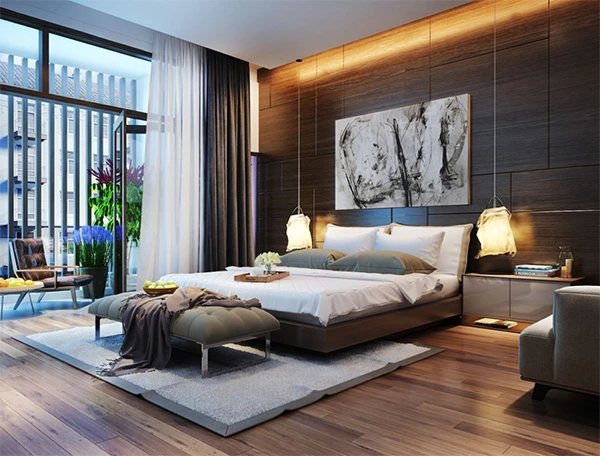
Installing smart lighting in your bedroom leads to an increase in our inner energy levels and makes us calmer and more patient. One can install LED lights in their bedroom, which are energy-efficient by design and have customisability in them, which allows them to turn dimmer or warmer by choice.
You can also consider adding in Double pane windows to your bedroom setup, as it makes limited space also look more open and provides a beautiful natural lighting source.
4: Use Low-VOC Paints and Wall Finishes
Many studies have shown and proven that using Low-VOC (volatile organic compound) and wall finishes results in better overall air quality and breathability of a space and reduced health risks over time.
This option is environmentally sustainable as well and leaves little to no odor. They come in many different vibrant and unique color options that complement your decor.
5: Add Indoor Plants for Healthier Air
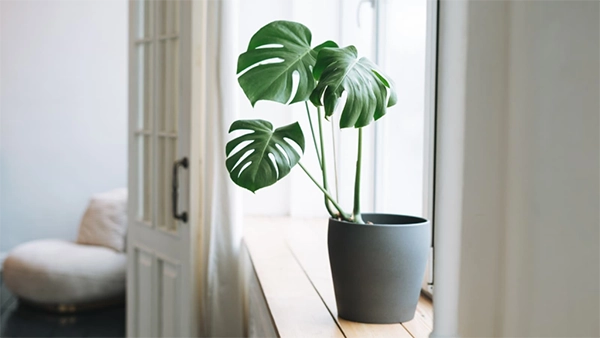
Plants like Spanish lavender, bacopa, and Lily look sublime in a carefully curated bedroom as they improve physical wellness and have a great effect on productivity and healing while also being able to adapt to seasonal changes.
Moreover, indoor spaces start to look more inviting, with enhanced sleep quality and reduced stress, all possible with a simple addition of nature’s best gift to your bedroom.
6: Opt for Sustainable Flooring Options
The choice of flooring can make or break the consistent look of a bedroom. With many environmentally friendly options being widely available, you can choose a material according to the look you want your bedroom to have.
Sustainable flooring options include Hardwood flooring, Bamboo, and even natural stone and ceramic for a more modern and minimal look.
Fun Fact
Natural Stone and Ceramic Tiles have been used for over a millennium, as they provide toughness which is second to none, and are sustainable, eco-friendly, and easy to maintain for a long time.
7: Reduce Energy Consumption with Smart Choices
We live in an environment that protects us and nurtures us; we should also try to preserve it for generations to come. One small action makes a huge difference in the greater scheme of things.
One such way we can give back to the environment is by being eco-friendly and reducing the consumption of energy by making smart choices and some alterations to our daily habits.
Turning off the lights when not in use, using recycled materials more, reusing water when possible, and more can be done to make a positive contribution to our environment.
8: Adopt Minimalist and Low-Waste Decor
Low-waste and minimalist decor options offer simplicity combined with good functionality and high sustainability over the years.
Minimalistic style follows an approach which emphasizes decluttering and focusing on quality over quantity, all while using nature-inspired, eco-friendly materials like biodegradable plants, organic textiles, natural stone, and wood, etc.
Suggested Sustainable Materials for Bedroom Upgrades
The following are some sustainable materials you can choose to upgrade your bedroom with style and functionality :
| Item | Material | Feature |
| Hollyhocks Wallpaper | Water-based ink, Recyclable plastic | Vibrant wallpaper to beautify your walls |
| Handcrafted Tree Bookshelf | Sheesham Wood | Artistic storage decor for books |
| Modern Ceiling Lights | Glass/Metal/Plastic | Premium Energy conserving LED lights |
| Shoe Organizer | Recyclable Plastic | Magnetic drop front shoe arranger |
Final Thoughts
Sustainability is a benefit and a feature that is the most sought after, as it provides great value over the years. Eco-friendly options provide many more benefits than regular materials, as they do not harm the environment and decrease energy consumption.
A bedroom’s functionality and decor can be amplified by upgrading to natural and eco-friendly materials to better the visual appeal, design, and to suit your comfort space according to your personality and vibe.
FAQ
How to reduce energy consumption?
Energy consumption can be reduced by decreasing the use of electricity and lights, turning off running water when not in use, and switching to LED alternatives.
How do indoor plants provide healthier air?
Indoor plants cleanse the air by taking in carbon dioxide and releasing fresh oxygen; this process purifies the air.
What is the benefit of Minimalist designs?
Minimalistic designs offer a low-waste decor style, focusing on decluttering with an emphasis on quality over quantity.
What does sustainability mean?
It is the capacity of maintaining something without needing to fix or change it after some time.