“The best way to find out what we really need is to get rid of what we don’t. The second best way is to look up.”
Have you ever looked at your living room and felt like the walls are closing in? You aren’t alone! In recent years, psychological research has begun to find that living and working in cluttered spaces causes stress and anxiety and can harm both our mental health and our productivity.
As urban floor plans continue to shrink in 2026, the mess is not just a physical hurdle; it is a mental one. By shifting your perspective from the floor to the ceiling, you can reclaim your space and transform cramped corners into airy and organized spaces.
This article will be your roadmap to use the ‘Z-axis’ of your home to restore your peace of mind and maximize every square inch of potential.
Key Takeaway
- Floor-to-ceiling units maximize capacity without stealing floor space.
- Always use proper wall anchors and keep the heavy items on lower shelves.
- Mix open and closed storage to maintain a balanced and designed look.
- Do not forget the backs of doors and the space you get above the window frames.
Understanding Vertical Storage in Interior Design
Vertical storage is much more than just saving space; it is a way that makes your home feel bigger and more organized. Instead of just letting furniture and boxes take up your valuable floor space, you can use your walls to grow upwards. This is called using the ‘Z-axis.’
When you move items to high shelves or wall hooks, you are clearing the ground for walking. This makes a small room feel open and airy, like a large loft. By keeping decorative items up higher, you can also encourage people to look towards the ceiling, creating an illusion of height. It is a simple way to make every inch of your room work harder for you.
Pro Tip: Use light-colored shelving to keep the room feeling open rather than heavy.
Tip 1: Install Wall-Mounted Shelves and Floating Units
Floating shelves are the secret weapon of modern minimalism. Unlike traditional bookcases that take up valuable floor real estate, floating structures provide a weightless look. You can hang shelves at different levels to create a nice and flowing look.
This layout makes a great home for everything from your favorite books to your indoor plants that will turn your wall into a balanced and eye-catching display. If you are managing a larger project or perhaps a home-based business, you may consider how professional logistics handles similar constraints.
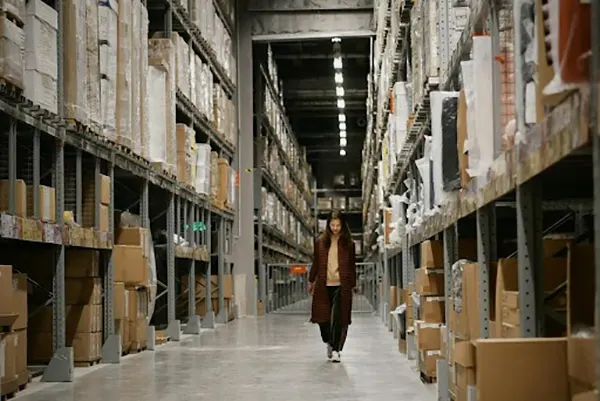
In industrial settings, the use of space-saving warehouse equipment allows for massive storage in tiny spaces. You can do the same at home by using heavy-duty wall rails or track systems. These allow you to easily swap out hooks and baskets whenever your needs change.
To make your storage look and work better, try these two tips:
- Lighting: You can add LED strip lights under your floating shelves to create a high-end, gallery feel.
- Layering: You can place frequently used items at eye level and decorative pieces higher up.
Tip 2: Use Tall Cabinets and Slim Storage Towers
When shopping for furniture, most people look for wide pieces. In 2026, the trend has shifted towards a high-rise approach. Selecting a slim and tall cabinet that goes from floor to ceiling can hold twice as much as a wide dressing while only using half the floor space.
These towers are perfect for filling the awkward gaps that you see next to the fridge or in a small bathroom corner. However, having the right furniture is only half the battle.
Just like a professional warehouse invests in staff training to use high shelves safely, you should also train your family on a simple system. Allot every shelf a specific zone and put the things you use daily at the bottom and seasonal items at the very top. This will keep your home organized and easy to manage long-term.
Tip 3: Optimize Doors and Hidden Vertical Spaces
The back of a door is like a hidden wall just waiting to be used. In a small bedroom or pantry, this is prime storage space. Similarly, the area above the doorway is often ignored, but it’s the perfect spot for a long shelf to hold books or bins of holiday decor.
Using these high-up spots will make your walls look taller and will create a sophisticated gallery feel. It is the best secret for keeping away essentials while keeping your floors clear and easy to walk on.
Behind-the-Door Organizers and Hooks
This is where the real work gets done. Over-the-door racks are not just for shoes anymore. You can find sleek fabric or wire organizers that hold everything from cleaning supplies to electronics and chargers.
Using a matching set of hooks can turn a plain hallway into a useful entryway for coats, hats, and bags. By adding slim stick-on baskets next to these hooks, you can create a dedicated spot for your mail and keys. This simple change can turn an empty wall into a powerful storage space and make your daily routine much smoother.
Fun Fact: ‘Floating furniture’ was popularized mid-century to make small post-war apartments feel more spacious.
Tip 4: Use Decorative Storage to Maintain Aesthetic Balance
People often fear that too much wall storage will turn their home into a messy storage space. The solution is to establish a balance between attractive design and practical value.
You can use closed cabinets to hide the clutter, along with open shelves to display your favorite items. Instead of plain plastic, you should use wicker baskets, ceramic jars, or colored glass bins to keep things pretty and tidy.
Think of your walls as a small art gallery, where you can place hanging plants or soft lights between your storage bins to make your shelves look warmer and more inviting. This extra breathing room will keep the room from feeling crowded. Adding velvet trays or brass handles will provide your home interior with an extra element of luxury and elegance.

This visual shows you the right way to balance weight and aesthetic design, which creates a secure household, maintaining both stability and aesthetic appeal.
Common Vertical Storage Mistakes to Avoid
Avoiding these common mistakes is the secret to a home that is safe, stylish, and comfortable.
Always Use Strong Anchors
Do not just hope that the shelf will stay up. Make sure that you are drilling into the walls’ wooden studs or using high-quality wall anchors like toggle bolts. A falling shelf can cause a lot of damage and may end up ruining your weekend.
Avoid Top-Heavy Shelves
Do not put your heaviest items on the top shelf. Not only is it dangerous, but it will also make your room feel cramped and heavy above your head. If you keep your items at the bottom, it will make your shelf feel stable and solid.
Prevent Visual Clutter
If you cover every single inch of your wall, the room will feel tiny. You can leave some white space or empty gaps so that your eyes can rest. This ‘breathing room’ makes your storage look like a smart design choice instead of a cluttered mess.
The Space-Saving Interior Storage Solutions Are Here
Improving your home doesn’t mean you need to completely renovate your home; it just needs a change in how you look at your space. By looking up at your walls, you find new storage potential that will keep your floors clear and your mind calm.
If you want to create a comfortable living environment, using your wall space is the best way, where you can add floating shelves or door-based storage. In today’s world, our homes are not just a place where we sleep; they function as our personal wellness retreats.
Did You Know?
Decluttering the floor can reduce cortisol (stress hormone) levels by up to 20%.
When you begin using vertical storage, you are not just tidying up your room; you are creating a lifestyle that focuses on mental clarity and freedom. The best part about this vertical revolution is that anybody can do it. Whether you rent an apartment in the city or you own a house in the suburbs, you can easily get it done.
Your home should grow to meet your needs, ensuring that your living space feels like a peaceful, open haven instead of a crowded box.
Ques: How do I reach things on the top shelves?
Ans: You can keep a stylish, foldable step stool nearby to fetch things that you have kept on the top shelves.
Ques: Will vertical storage make my ceiling look lower?
Ans: No, it’s the opposite! It draws the eye upwards, making a ceiling feel higher than it actually is.
Ques: Is it possible to use vertical storage in a rental?
Ans: Yes, you can use storage such as over-the-door organizers, for which you don’t need to drill holes into the wall.