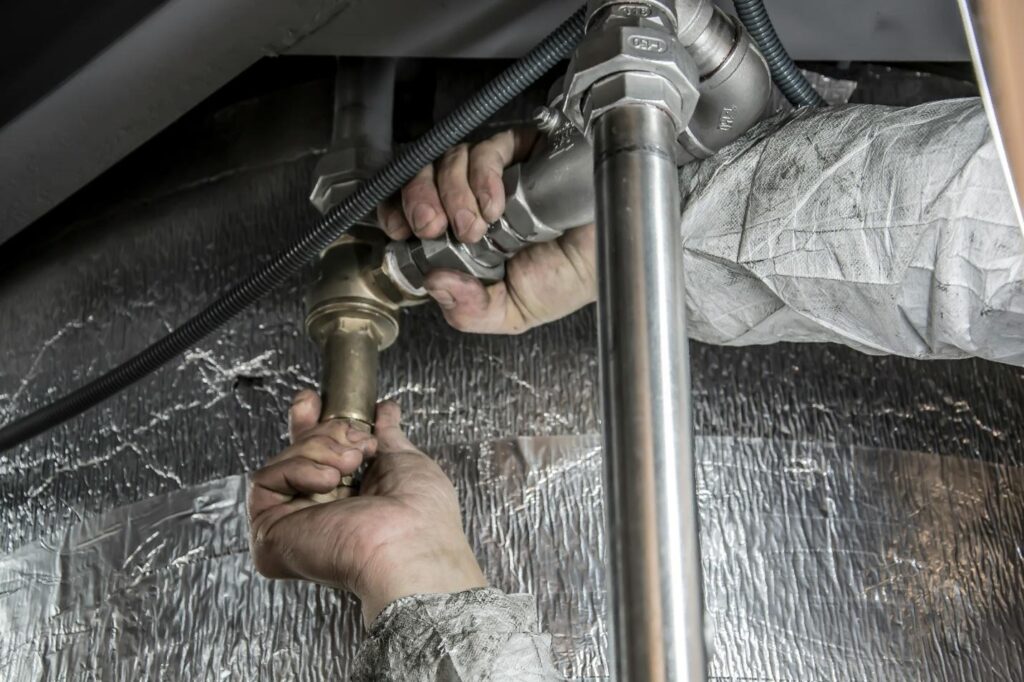
Water leaks can cause major damage to your house if not treated swiftly. Old, worn-out plumbing and pressure shifts can clog drains, causing leaks.
Furthermore, heavy rain in Plano, TX, can turn streets into runoff quickly, and often the drainage isn’t able to control it. Similarly, houses with slab foundations have a common issue of moisture spreading and lingering behind the drywall.
Worry not, this article will guide you through the steps you should take to counter water intrusion before it causes more harm to your property.
Key takeaways
- What to do in the first 24 hours
- Why Professional water damage restoration services are ideal
- Documenting everything the correct way for insurance claims
- Acting quickly and without delay to halt further damage
What Happens in the First 24 Hours
That first 24 hours can fool you. By evening, floors may feel dry, and the panic settles a bit. It’s easy to assume the situation is under control. But water doesn’t disappear on its own. It seeps behind trim, works its way under boards, and lingers inside wall spaces where air can’t circulate well. What looks fine on the outside may still be damp deep inside.
As a result, organisms start reacting to the moisture trapped inside (happens even more quickly with unclean water). This causes a damp, earthy smell that is very unpleasant. Take it as a signal that the materials inside are already reacting to this.
So, the longer the moisture lingers, the more demolition may be required later. Acting early limits how far that chain reaction spreads.
Why Professional Damage Restoration Services Matter
When it comes to water damage restoration, Plano TX, has many reliable professionals, considering how common water intrusion problems are here. But homeowners don’t realize the gravity of the situation immediately. They try to handle water cleanup on their own at first. Towels, fans, and a rented wet vacuum. Those steps help on the surface, but hidden moisture is often missed. Walls feel dry, yet internal framing remains damp.
Professional teams use moisture meters and thermal imaging to detect water that cannot be seen. Industrial-grade air movers and dehumidifiers are set up in patterns that promote even drying. It’s not just about removing visible water. It’s about restoring normal moisture levels inside materials. The right experts offer reassurance that structural drying is thorough. Fast response reduces the need for major reconstruction later, and that difference shows up in both repair timelines and costs.
Alt text: Water leak
Water Moves Farther Than You Think
One of the biggest misconceptions about water intrusion is that it stays where it lands. In reality, it follows gravity and gaps. It can travel along framing, seep under flooring, and spread beneath cabinets.
Hardwood may cup and lift days after the initial event. Tile grout can trap moisture underneath the surface. Even concrete slabs can allow water to migrate into adjoining rooms.
Because water moves quietly, damage is often underestimated. A small ceiling stain may point to a much larger issue above. That’s why inspection matters just as much as extraction.
Mold Does Not Wait for Permission
Mold spores exist in most indoor environments already. They are invisible and usually harmless when dry. Add moisture, and they activate. Growth can begin within 24 to 48 hours under the right conditions.
It does not take a major flood to create a mold issue. A slow leak behind a wall can do the same over time. Once colonies form, remediation becomes more complex. Materials may need to be removed entirely to stop the spread.
Additionally, avoid quick drying as it interrupts that cycle; instead, reduce the humidity as soon as possible, as these conditions interrupt more growth. It’s a simple principle, but timing makes all the difference.
| Did you know? |
| A small, unnoticed leak ( 1/8th of an inch in diameter) can leak out about 250 gallons in a single day! |
Structural Materials Can Weaken
It’s easy to focus on the stain and forget what’s happening behind it. Water works inward. Studs that stay wet don’t snap overnight, but they do lose some of their firmness. Metal brackets and nails start to discolor, then corrode. Floors might seem fine for a while, then give slightly when you walk across them. The change is slow enough that people second-guess it.
Soaked insulation adds to the trouble. It holds moisture tight against wood, almost like a sponge pressed in place. If that damp layer isn’t removed or dried properly, the problem sticks around longer than expected. Figuring out what can be saved and what should be replaced matters more than most realize.
Insurance Claims Move Faster with Documentation
Another reason to act quickly has less to do with construction and more to do with paperwork. Insurance claims require documentation. Photos, moisture readings, and written assessments. Delays complicate that process.
Postponement can worsen damage, which can lead to additional questions for coverage. Insurers may ask whether reasonable steps were taken to limit loss.
A documented response is essential as it supports the claim. Having a documented response within the first day supports the claim. It’s not pleasant to think about policy details when water is pooling on the floor. Still, timing affects more than just physical repairs.
Emotional Stress Increases with Delay
Living in a damp space wears you down, constantly moving furniture, avoiding certain places in the home; it only gets more difficult the longer the problems are delayed.
When the response is slow, uncertainty grows. Homeowners start imagining worst-case scenarios. Structural damage. Mold behind every wall. Extended displacement. Quick action provides clarity. Even if repairs are needed, a clear plan reduces anxiety. Equipment is set. Moisture levels are monitored. Progress becomes visible.
Follow the practices shown below in the illustration to avoid further damage:
Small Leaks Deserve the Same Urgency
Every water intrusion isn’t dramatic. Slow dripping under the sink may look like a minor issue, but steady moisture accumulates fast. Flooring issues, swelling of cabinets, bad odour, all these pile up slowly, causing even more pain in the household.
Furthermore, delays cost more than a calculated response. So, respond quickly when faced with minor leaks and document the whole process with clear photos and proofs so you can get appropriate help in due time before the harm caused spreads even more. It’s less about overreacting and more about knowing how fast small damage turns into something bigger.
FAQs
Q1) How quickly should the restoration process begin?
Ans: The process should begin in under 24-48 hours to minimize the damage from mold and harm to other materials.
Q2) What to do until help arrives?
Ans: Turn off the water supply at the source where the leak is taking place, and the electrical appliances near the leak.
Q3) Does insurance fully cover the damages caused by water leaks?
Ans: Regular insurance policies cover accidental and sudden damages, but not flooding and neglect.
Q4) Can I fix these issues on my own?
Ans: DIY isn’t advised in these circumstances; a professional has the appropriate tools to clear out moisture hidden inside floors and walls, reducing the chances of molding.