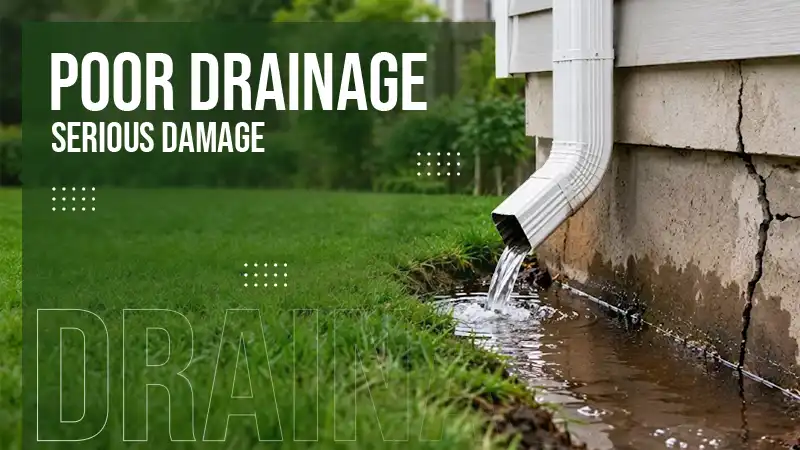
For maintaining the small things, you consider it very casual and feel like it’s just a waste of time, and keep ignoring it day after day. And eventually, it costs you more when repaired.
If your water starts dripping, the gate blocks from opening, a broken shelf refuses to stand on the wall, and you ignore small things. All work is resolved in a single call. A professional handyman can fix all such things in a fraction of a minute. This will also be very helpful for you to take a regular checkup of your house.
This route simplifies the work progress on maintaining, repairing, relocating, or five-minute DIY that works smoothly at a reasonable low cost.
Key Takeaways
- Why a job list stops shrinking once nothing on it is urgent
- What the cost of your tools to buy for an individual task.
- Legally, preferred work for a handyman and a licensed trade person actually differ.
- Smaller issues become large enough before it seems to be repairable.
1. The Small Jobs Actually Get Done
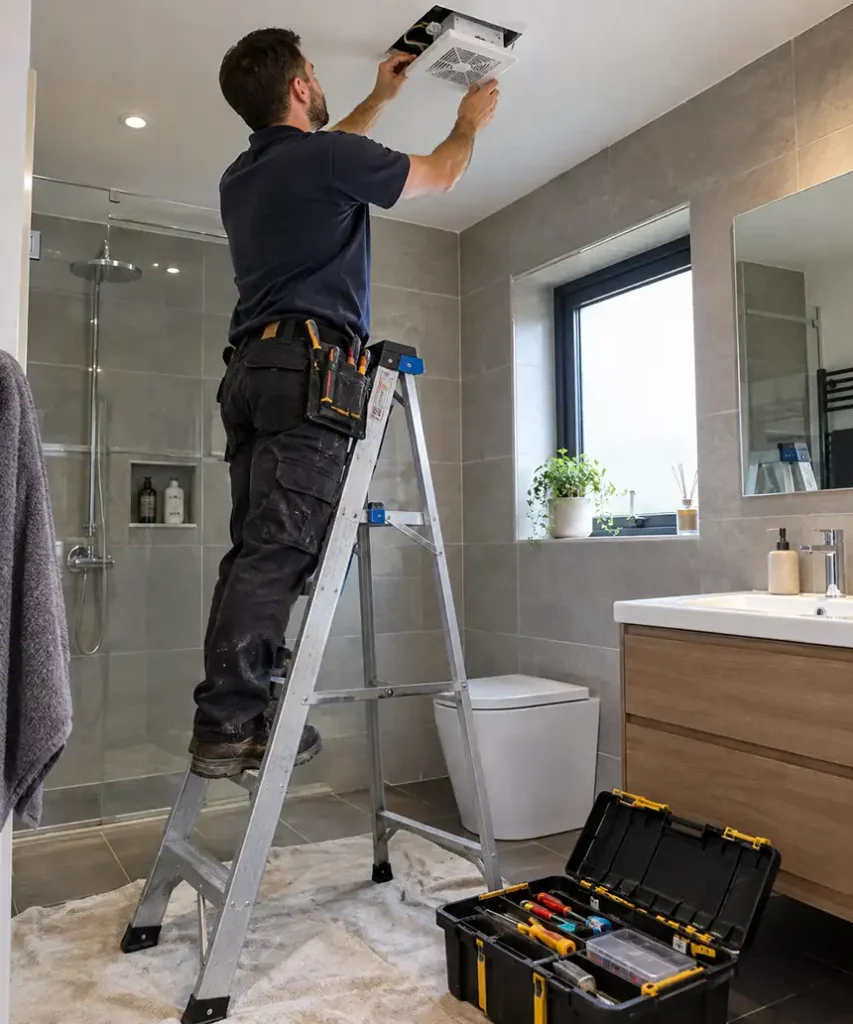
A dripping faucet, sticking doors, and loose shelf angles sometimes feel very important and still take time to fix. Handyman fixes take just a few minutes, which you can book in on a call. All repairs can be fixed in one call-out as you create batches for them. No task is left for repair.
From drywall patches and damaged trim to minor plumbing and gaps in windows, clustering small fixes can save most work in low cost, and it doesn’t require extra effort in relocating your fixing material to others.
2. You Stop Buying Tools for One Job
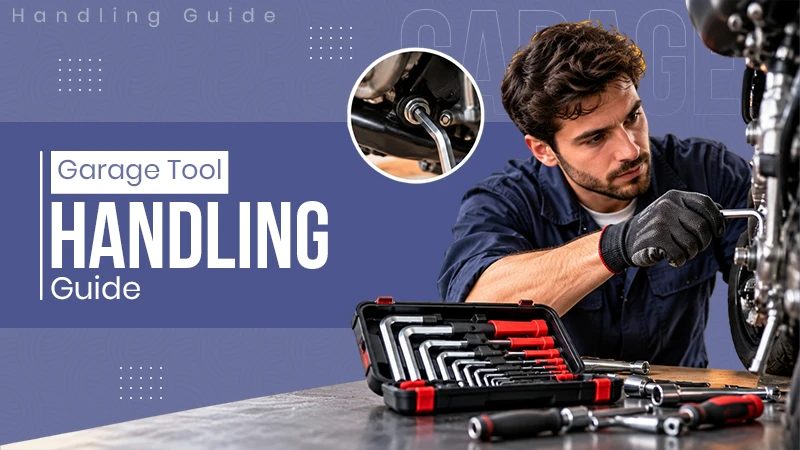
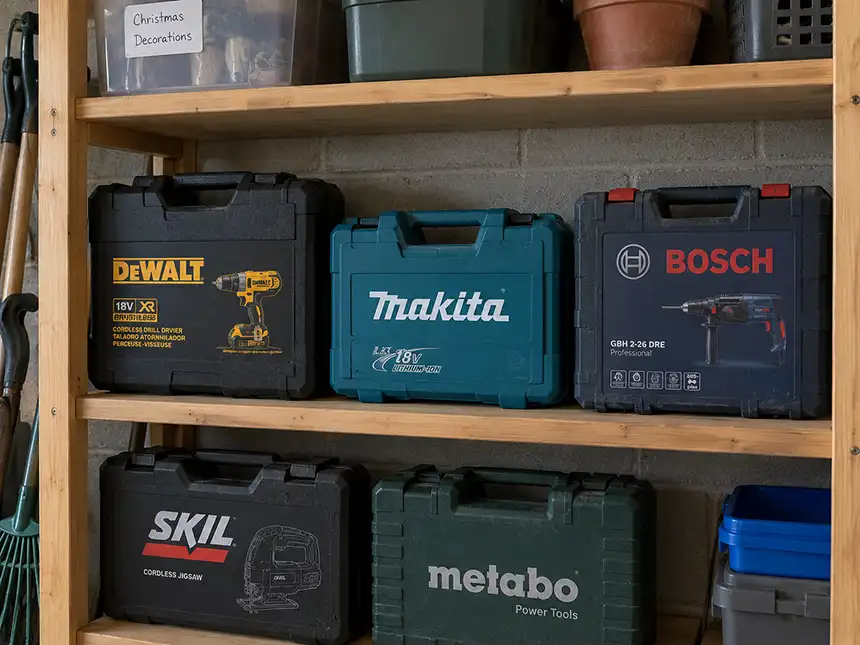
To understand the tools and their utility, you first need to know what they mean. Buying tools for small repair work is not the solution for your DIY. It may cost you more than expected.
A hammer and screwdriver of different sizes are enough and useful for every small maintenance task. Not many tools are useful after one use. Many tools are left for years without being touched. Cheap is not an option.
Professional handymen have such tools like grips, safety outfits, plumbing tools, ladders, and stud finders, which require less time to fix such small things, which is more beneficial for purchasing.
Important Tips: An unknown repairman pays for experience; a handyman can be more favourable instead of collecting useless tools in your store.
3. Licensing Stops Being Your Problem
Legal benchmarks are fixed for work related to professional or normal tradesmen. All of the works are not comes under licensing, but some may need proper certification to claim insurance for major repairs or replacement.
A multi-trade handyman enterprise can list certain works like electrical repairs, plumbing, carpentry, and other jobs under a single appointment. This is the best way to handle work in one framework.
Did You Know?
Most homeowners realize that the $5,000 threshold level in NSW rules is surpassed frequently. Certification or licensing is required for the work. It’s a combined cost of labour and materials. For work more than $ 5,000, a contract payment comes with it.
4. Small Problems Get Caught Early
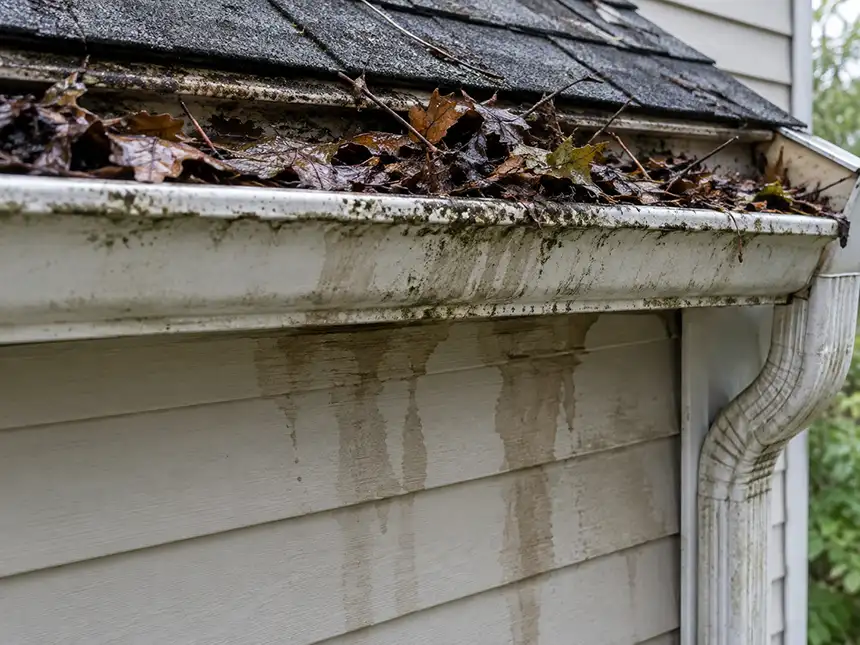
While repairing issues, you notice very often that a handyman can spot things that are way beyond your naked eye. It must be repairable or replaceable, and leaving it unfixed can cost you more than it does now.
Your door may contain cracked lining, wood decay, or excess swelling due to moisture retention behind that wall or in joints. Plumbing damage from leakage is often missed. The roof area, loose faucet under-cabinet portion, and all other small repairs can lead to major problems.
5. Your Weekends Come Back
DIY work looks easier than its actual conditions. Some points to consider before obtainind a DIY in usual day.
- It consumes more effort and time than it appears to be. Because you are not experienced, you are generally learning and training side by side.
- If one thing is to be fixed, then other small fixes will catch you. Not suitable tools can run you to the store, which requires time and loses concentration.
- Most small fixes can cause you to spend a whole day, but for a handyman it’s just a two- to three-hour job with all types of tools available.
This seems very fascinating to attempt small fixes, but it is not easy for a beginner to do.
I personally feel useless when to visit a hardware shop for small things that I don’t know about, and this may be frustrating.

When Doing It Yourself Still Wins
Jobs that don’t need a handyman and can be done as a normal DIY task to do.
Work like painting a wall, fixing the handles, maintaining the proper faucet area, and replacing HVAC filters. Available tools is helpful if you know the procedure to handle them properly.
Some work requires a handyman to fix, such as electrical repairs, roof maintenance, gas fixing, and it requires certified experts.
Conclusion
Such work is easily manageable for your daily or weekly efforts. But it can lead to major issues that a professional can manage in a single appointment.
Regular checkups of small things will gradually help you avoid visiting a hardware shop for unmeasurable tools.
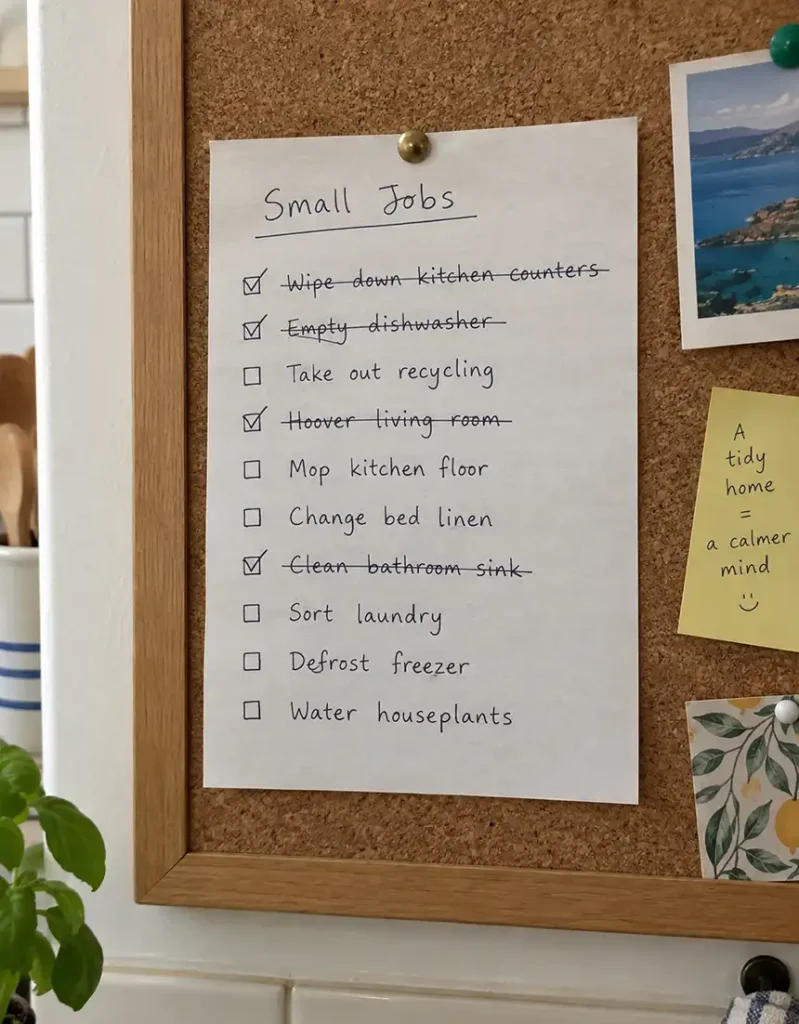
Check the repairable items and list them into two categories: one for manageable DIY and the other for an expert to perform. This will help you to divide such a composite workload and help you to manage costs below the $5,000 proposed by NSW rules.
Frequently Asked Questions
What is the difference between a handyman and a licensed tradesperson?
A handyman is simply a repair person who fixes small things around your home, while a tradesperson is a professional expert for managing a real issue and has the expertise to do so. It also carries a licence for it.
How do I know if a handyman is properly insured?
Check proper documentation such as insurance claim proof and coverage for projects; don’t assume they are professional just because the contractor seems professional.
Is it cheaper to book several jobs at once?
Yes, it can help with investing in smaller costs, which are literally higher than combining all fixes in batches.
How often should routine maintenance actually happen?
No specific time for smaller tasks. But drains twice a year, terraces twice a year, and interior and exterior works are on a low-maintenance calendar.
- Housing Industry Association, “Licensing Requirements for Residential Building Work” (https://hia.com.au/resources-and-advice/managing-your-business/managing-compliance/articles/licensing-requirements-for-residential-building-work): the NSW $5,000 threshold for residential building work, including GST, labour and materials
- YourHomify, “When Repairs Cost More Than a House”: household repairs, the boundary between cosmetic jobs a homeowner can handle and structural, electrical or plumbing work that needs a licensed trade
- YourHomify, “A Beginner’s Guide to Picking the Best Tools for DIY Projects”: DIY projects, the starter toolkit, the case against cheap tools, and the safety gear most beginners skip
- YourHomify, “Home Maintenance: Essential Tips for a Well-Kept Exterior”: home maintenance, gutter and deck servicing intervals, the warning signs of a failing gutter run, and moisture damage behind cracked siding