


“A home should be the treasure chest of living.”
– Le Corbusier (Swiss-French architect, urban planner, writer, and designer)
Finding the ‘perfect’ home size in 2026 goes beyond the number of bedrooms; it is more about balancing your digital lifestyle with physical comfort. ‘Bigger is always better’ is not the main idea anymore; we have now entered the age of ‘smarter is superior’.
Whether you are a minimalist nomad or a growing family, the right square footage can be the difference between a sanctuary and a source of stress.
Key Takeaways
- A small layout beats a big and poorly designed house always.
- Always go with the +1 rule and aim for one more zone than your current requirements to allow for growth.
- Storage is essential, as without proper storage, even your mansion can feel cluttered.
What’s the Ideal Home Size
The ideal size of a home is a moving target. It is the precise point where your daily activities flow without friction. In today’s market, the cost of a storage options in Carrara often dictates how much we can actually fit into our primary residences. If you find yourself continuously shifting your furniture to walk across a room, you might have missed the mark.
Key Factors That Determine the Right Home Size for You
There are a number of factors that determine the right home size for you, some essential ones are mentioned below:
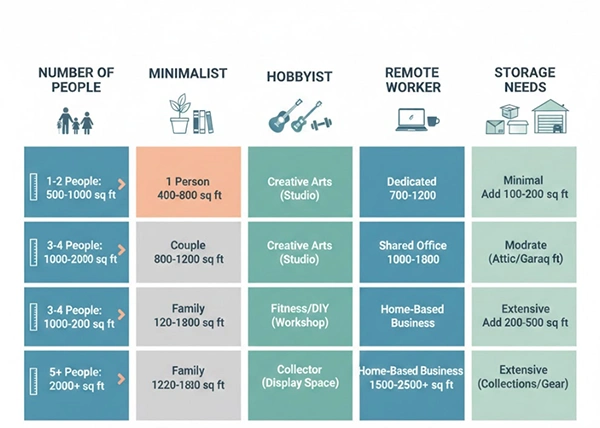
Number of Occupants
The maths actually begins here. A general rule for 2026 is roughly 400-600 square feet per person to maintain social harmony. If you are living solo, a 600-square-foot space might feel like a palace where you can bring in a pet.
Fun Fact: Despite the size of family getting smaller, the average size of a new American home has now increased by over 1,000 square feet.
Work-From-Home Needs
A closet-office is a relic of the past; today, a dedicated, separated workspace is what many people want. If your job requires you to focus deeply and attend frequent video calls, you may need an extra budget for an additional 100-150 square feet, especially for a professional space.
Storage Requirements
We all have items needed less, such as holiday decor, archives, seasonal gear, etc. When choosing a home size, always look for hidden storage (a built-in cabinet, deep hallways, etc) where you can store the items you need occasionally and prevent your living space from becoming a warehouse.
Comfort and Maintenance
A massive home, no doubt looks great, but have you considered the Sunday morning vacuuming marathon?
| Advantage(s) | Disadvantage(s) | |
| Small homes | Cheaper to heat Quick and easy to clean | Can feel restrictive sometimes |
| Large homes | You can have a separate zone for things Offers privacy | Demands high maintenance Utility bills are also higher |
Long-Term Costs
Beyond the level of comfort, the home size also decides your property taxes, energy consumption, and insurance. In 2026, every extra sqaure feet of unused space is essentially a tax on your monthly income.
Understanding Home Size Measurements and Layout Efficiency
Another important factors are home size and layout. Here’s how it plays a part:
Square Footage
Don’t get blinded by numbers always. A 1200 square-foot home with a huge, useless hallway is less functional than a 1000 square-foot home with an open-concept flow.
Did You Know?
The concept of ‘open floor plan’ was mainly to make smaller homes feel a bit larger by removing visual barriers.
Room Distribution
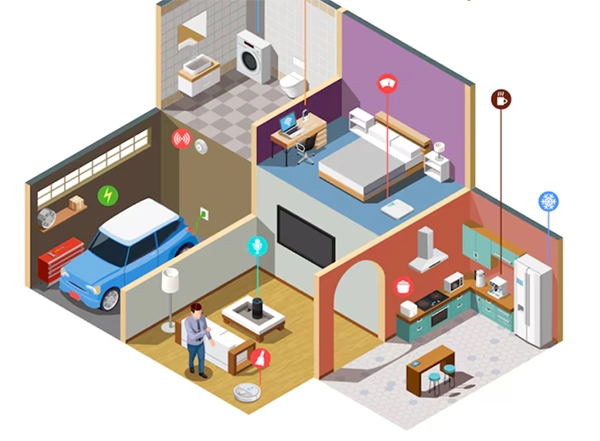
Room distribution should be based on your needs; you need to decide whether you wish to have four tiny bedrooms or three huge ones. In modern design, flexibility is the king. A guest room that is double the size of the gym offers more value than a perfect room that remains empty most of the time.
Usable Living Space
Make sure to check for dead zones. Corners that do not fit any furniture or some unusable space reduce your actual living area. Efficiency is not just about floor space; it is about volume.
How Location and Property Type Influence Ideal Home Size
In big cities, you can accept a small home because the city itself is your living space. However, in the suburban or rural areas, the ideal size gets expanded because you spend more time at your home.
Choosing a Home Size That Supports Future Flexibility and Resale Value
Before you select a home size, consider the next five years of your life. A home that accommodates a hobby room or a nursery will always have a higher resale value. You can look for convertible spaces, such as dining rooms that can become a living room or a garage, which you can someday turn into an art studio.
FAQ
Does a larger home always appreciate faster?
No, not necessary in modern times. Today, mid-sized, energy-efficient homes are often higher in demand than vast estates.
Is 1500 square feet enough for a family of four?
Yes, if the layout provides more space to living shared areas and storage instead of hallways.
How do I tell if a house is ‘too big’?
You can try assigning each room a specific purpose, and if you find a room or a space that is only being used once a year, it may be an unnecessary square foot of your house.