Every season brings a unique set of challenges for garden care. It is crucial to adhere to the plant’s needs, which change with changing seasons.
From the blooming months of spring to extreme winters, I have seen my garden thrive throughout the year.
Let me walk you through everything about garden maintenance and how to adapt to the seasonal changes.

What are the Gardening Essentials You Must Have?
Before exploring the gardening care tips, take a look at the things you must have for garden maintenance. The tools that can be used to maintain your balcony garden as well:

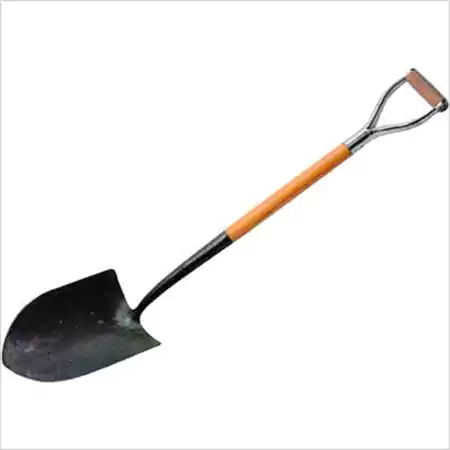

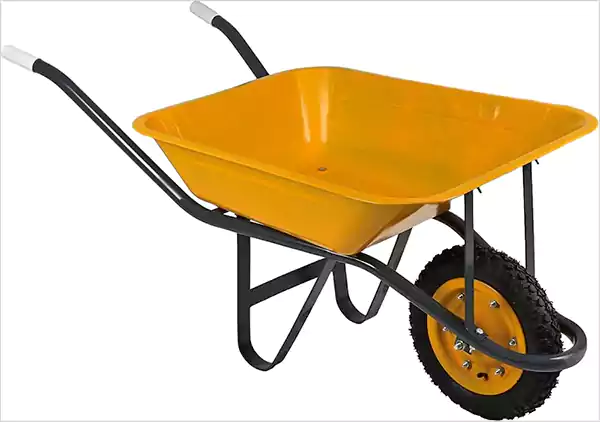
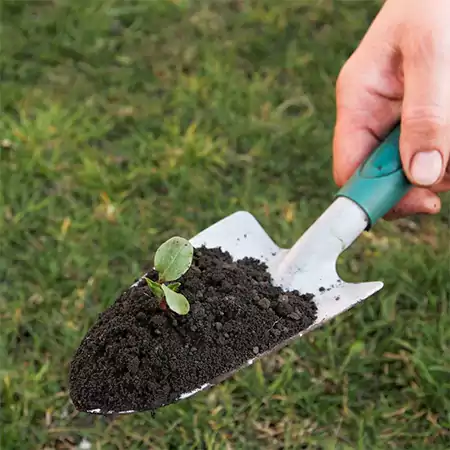

Gardening tools make the whole process much more efficient and safer. Certain tasks that feel like a lot of work can be carried out easily and with precision using the right tools.
What Goes into Spring Garden Preparation?
Spring is my favourite part of the year, as it is the time for new beginnings, and the preparation done here decides the fate of the garden. Here is everything you need to do for a great start:
1. Cleaning Winter Debris
Prepare the soil for new growth. Clean up the dead and fallen leaves for a tidy look and to prevent the spread of any pests and diseases.
2. Soil Preparations
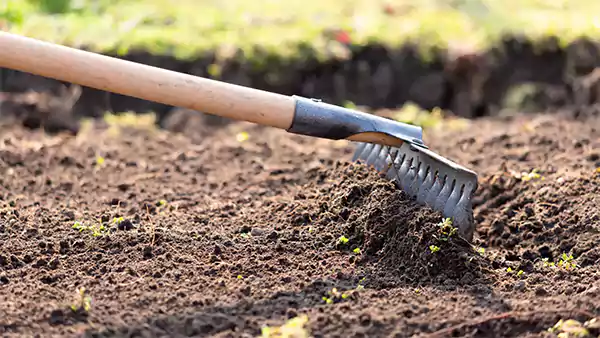
- Soil affects plant growth before anything else. Check the pH, temperature and moisture of the soil. Ensure that it is not too moist, as it can lead to root rot.
- Turn the soil to prepare it for planting. It helps in improving aeration and allows plants better access to water and other nutrients.
- Add a layer of mulch for moisture retention and to maintain temperature.
Mulch is a layer of wood chips or glass clippings used to cover the soil to conserve moisture and improve soil fertility.
3. Pruning

Trim the dead and outgrown leaves. Pruning is essential to promote new growth and enhance the look of the plant.
4. Planting
It is the perfect time to grow different plants and vegetables like Lettuce, peas. Also, spring flowers like daffodils and tulips bloom during spring.
5. Pest Control
Check for different pests like fungi, mites and use organic solutions like Neem oil and Pyrethrum.
6. Fertiliser
Use a fertiliser according to the plant’s needs. Nitrogen-rich fertilisers are ideal for growth, and phosphorus-rich fertilisers for flowering plants.
How to Protect the Garden from Summer Heat?
Longer days and growing heat require special care, especially when the heat can dry up the life from the plants.
1. Adequate Water
Water the plants regularly and ideally in the early morning or evening, so that it gets absorbed well and does not evaporate quickly.
2. Mulching
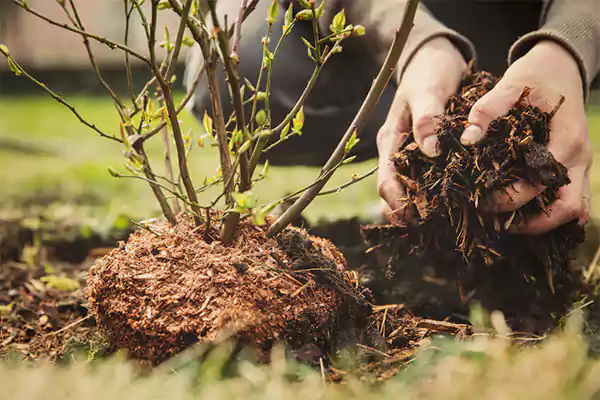
Add a new layer of mulch on the soil for moisture retention. It helps in protecting the plants from extreme temperatures.
3. Harvesting
Many vegetables and fruits are ready to be harvested during summer, like tomatoes, peppers, cucumbers and more.
4. Weed Removal and Pruning
Weeds compete with plants for nutrients. Removing them ensures that the plants get adequate nutrition and avoids the spread of diseases.
Remove the dead parts of the plants, or they will hinder their growth.
5. Fertiliser and Pest Control
Feed the plants with the fertiliser that suits their needs.
Look out for pests and use organic solutions like neem oil for the same.
How To Maintain a Garden in Fall?
Fall is the time to harvest the late-summer crops like pumpkins, carrots and more. Alongside this is the time to prepare for the upcoming dormancy.
1. Clean up Garden Beds
To prepare the soil for the new plants, clean up the damaged plant matter to promote new healthy growth.
2. Composting
- Prepare a compost pile using fallen leaves, grass clippings, vegetable and fruit scraps.
- A healthy compost has a balance of carbon and nitrogen, with a 2:1 ratio of browns to greens.
- Compost helps in preparing the soil for the spring.
- Keep an eye on the moisture levels. It should be moist, but not too wet.
- Cover it to speed up the process of decomposition.
3. Planting
Vegetables like Spinach, Lettuce and Kale are ideal to be planted during fall and can be harvested during winter. Plant winter rye and clover to improve soil health and suppress weeds.
4. Pest Control
Certain Pests become more active during the fall. Look out for pests and take the necessary action.
5. Protect Sensitive plants
For sensitive plants that can not tolerate the cold, either bring them indoors or cover them using a cold frame.
Garden Care in Winters
I use this time to plan for the next growing season. Creating a layout beforehand helps a lot. However, this is also a time for actively monitoring the garden.
1. Minimal Watering
Although plants require comparatively less water during winter, ensure not to leave the soil dry.
2. Protection from the frost
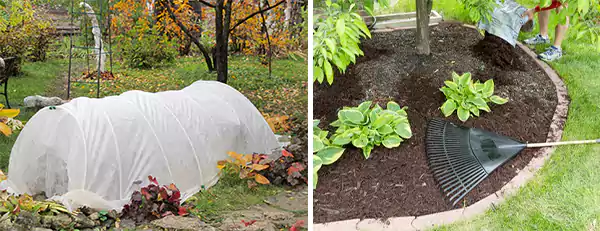
Spread a layer of mulch around the roots of the plants, or cover them with frost blankets to protect them from extreme temperatures.
Remove the snow accumulated on the leaves gently to prevent damage.
3. Deadheading the Plants
This is not a season-specific step. The dead parts of the plants should be removed to promote new growth and improve the overall look of the plant.
4. Planning and Stocking for Spring
Prepare for the upcoming spring. Stock up on seeds and inventory like gardening tools.
Plan the layout of the garden for the growing seasons while reflecting on the past mistakes and everything you need to avoid.
5. Garden Tool Maintenance
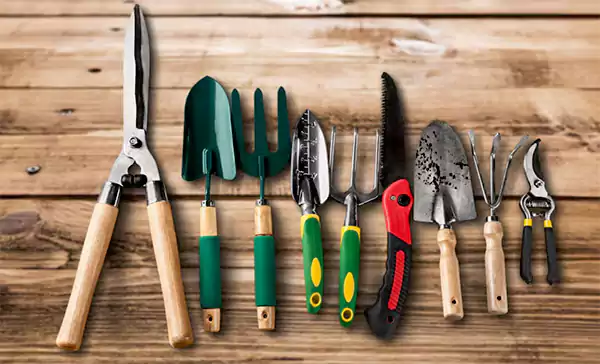
For the upcoming growing season, stock up on your gardening tools.
Clean and sharpen them to increase their efficiency. Apply a coat of oil to prevent rusting. Ensure all the tools are in the best condition, or upgrade them with new ones.
Final Thoughts
Garden care might feel overwhelming at first, especially due to the changing requirements with every season. However, I think this is the beauty of gardening. It ceases to be a hobby and becomes a responsibility of nurturing life.
With the right amount of care and attention, your garden becomes a beautiful home for plants, just like you imagined.
FAQ
How can I protect my garden in extreme heat?
Cover the soil with a layer of mulch to help it retain moisture in the summer. Water it regularly and cover the sensitive plants.
Why is seasonal garden care important?
Seasonal garden care is important because the plant requirements change every season.
Should you fertilise your plants in the winter?
No, the growth of the plants slows down during winter. So, avoid feeding them plant food as it can lead to root rot.