Roll-up gates are steel doors that roll up directly when opened to create a large opening and to protect us against outsiders and other natural elements.
Now, the parts of the roll-up gates are structural components that are under constant load and tension, and sometimes stop functioning properly and need repair or fixing, causing issues.
In this guide, let’s look at how to fix these common issues with the roll-up gates quickly using DIY techniques or professional help.
Key Takeaways
- Maintenance of the roll-up gate is a priority to ensure home safety
- Common issues of hardware in roll-up gates
- DIY the small and simple problems of a roll-up gate
- Remember to call a professional when the matter seems serious
Why Regular Roll-Up Gate Maintenance Matters for Home Safety
Roll-up gates, just like any other hardware, require looking after them on a regular basis, as they comprise many different pieces and components.
Additionally, they are all under tension and load at the same time, and because of this, some hardware issues are bound to occur with time.
Therefore, to prevent such regular breakdowns from happening, we must set a regular maintenance schedule ( every 3-4 months) in which we clean the tracks, lubricate the moving parts, and tighten the hardware to make sure it stays proper for a long time.
These matters for the safety of our homes, as the roll-up gates can be a point of entry for unwanted people, bad weather, and more.
Common Hardware Problems in Roll-Up Gates
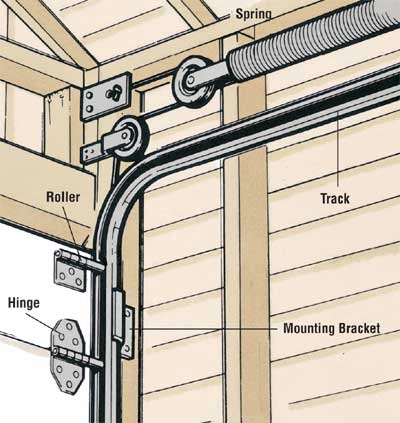
The components of the roll-up gate, which you can see in the above image, face many hardware issues. Let’s look at how to identify some of the common ones :
- Jammed Tracks – This is usually caused by an obstruction or damage in the tracks, which may further lead to misalignment of the rollers. The most common indicator of this may be that your gate may feel heavy while closing or opening
- Loose Springs – It can occur due to improper installation, lack of maintenance of the gate, or just natural wear and tear. Dropping, being noisy, sticky, or the door “ballooning” up on its own are some of the usual signs.
- Faulty Rollers – Rusting, metal-to-metal grinding, or even non-lubrication of the rollers may cause this. Squeaking, jamming, or jerky movement are standard signals of this problem.
If the problems are in their earlier stages, no need to worry, we might be able to quickly fix them ourselves. Let’s learn how to resolve these.
Quick Fix 1: Fixing Misaligned or Stuck Tracks
The following are the steps to instantly fix stuck tracks :
- Inspect the area for any obstruction or dust and moisture, and clear them
- Apply a lubricant, preferably silicone-based, to the hinges, rollers, and other parts
- Tighten all parts and bolts of the gate to ensure everything is secured
- Realign the tracks by adjusting alignment, using a rubber mallet, and gently tapping to fix their position.
If the heaviness of the roll-up gate is gone and the movement is uninterrupted and smooth again, then the issue is fixed.
Quick Fix 2: Addressing Noisy or Rough Gate Movement
Follow these steps to address noisy or rough gate movement :
- Prop up the gate at a neutral position so that we can check for the issues safely.
- Inspect the rollers for damage; if there’s any damage, we will have to replace them with new nylon rollers.
- Lubricate all the moving parts to ensure all parts move friction-free and smoothly.
These steps should help with the smoothness and fix the noise issue of the gate.
Quick Fix 3: Handling Lock, Spring, and Roller Issues
Follow these easy steps to troubleshoot and resolve lock, spring and roller issues :
- Check for any blockage near the roller or track area and try to remove it.
- If you own an automatic model, then look for motor malfunctions that should be visibly noticeable. For manual models, check for broken parts.
- Springs loosen up with wear and tear. Check the tension of the spring; this will help you know if it needs replacement.
These actions can sort out common lock, spring, or roller failures.
Interesting Fact
Roll-up gates are structurally so well-built that they are capable of withstanding hurricanes and are also designed to automatically isolate the flames during a fire.
Basic Safety Checks Before DIY Repairs
Before beginning with DIY procedures, you must follow these protocols:
- Ensure the roll-up gate is in a neutral position and all the items are clear of the area.
- Remember to always wear safety gloves, a face covering, and other protective equipment to prevent any physical damage to yourself.
- Disconnect all utilities connected to the roll-up gate or near it to prevent shock or damage to appliances.
- Make sure to keep a few tools handy that might be needed in case of emergencies
When to Call a Professional for Roll-Up Gate Repairs
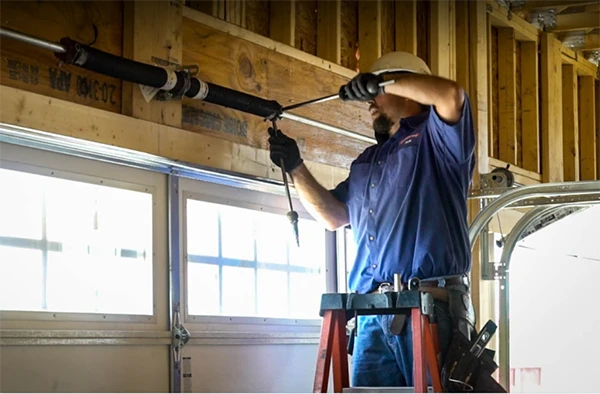
DIY can resolve most of the common and small issues of the roll-up gate, but to repair broken or missing parts, which may pose a danger while fixing, it’s better to call up Melbourne emergency garage door repairs to handle the process skillfully.
Motor issues tend to cause irregular behaviour in roll-up doors, causing them to not stop even after detecting an obstacle in the way. These issues cannot be fixed with a homemade instant resolution, but instead need the attention of somebody experienced.
Also, remember to always trust your instincts. If you get a feeling that the whole process feels a bit unsafe or beyond your capabilities, then please do not hesitate to call a professional.
Final Thoughts
Now you know how to maintain your roll-up gate and how simple it is to identify and fix common issues found in the hardware of the gate.
The safety of your home depends on the correct working of the roll-up gate. Always remember to maintain it regularly, and if some parts break, you know who to call.
FAQ
What is a roll-up gate?
It is a security barrier, made of steel or aluminium mostly, and rolls into a coil when opened. They are mostly used as garage doors or in industrial settings to cover large openings.
What are the common issues of a roll-up gate?
The common issues of a roll-up gate are Misalignment of tracks, squeaky noises, spring and roller problems.
What is DIY?
DIY, also known as “Do it yourself”, basically means to repair, change, or decorate something without the assistance of a professional.
What are the safety precautions we should take before repairing or fixing anything?
Precautions you must take before attempting any kind of repair or fixing are :
- Make sure to wear protective equipment and covering.
- Remember to turn off all electrical equipment directly connected to the appliance you want to repair.
- Ensure the appliance is in a neutral position.
- Always keep some tools handy to keep in case of a predicament.