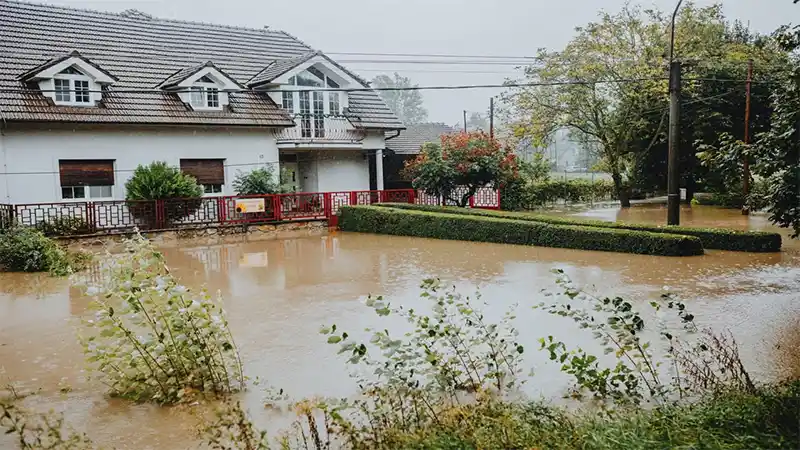
Flooding is one of the biggest threats to your home’s foundation. Even small amounts of water collecting around your house can slowly weaken the structure that supports everything above it. Over time, this extra moisture can cause cracks, shifting walls, uneven floors, and expensive repairs.
In places like Charleston, where heavy rain and coastal weather are common, protecting your foundation is very important. The good news is that you don’t always need major construction to prevent damage—simple maintenance and smart drainage improvements can help keep your home safe. Whether you’re trying to prevent problems or need the help of a Charleston foundation repair specialist, learning how to prevent flooding can save you a lot of money on future repairs.
Why Foundations Flood and Why It’s Dangerous
Foundation flooding often starts with small drainage issues. Without correcting this, water gradually accumulates around your home, leading to wear and tear alongside pressure on your foundation.
How Water Builds Up Around Your Home
Water always flows to the lowest point. If your yard slopes toward your house or your drainage system isn’t working properly, rainwater will naturally collect around your foundation.
Common causes of water buildup include:
- Poor yard grading that directs water toward the home.
- Clogged gutters and downspouts.
- Short downspouts that release water too close to the foundation.
- Blocked drainage pipes.
- Heavy storms, prolonged rainfall, or coastal flooding.
- Soil that is already saturated and unable to absorb more moisture.
The Damage Flooding Can Cause
Foundation flooding is not just about standing water. Without swift intervention, this can lead to serious structural problems and foundation damage.
Common types of damage include:
- Cracked foundation walls
- Bowed or leaning walls
- Basement leaks
- Uneven or shifting floors
- Wood rot in framing
- Mold and mildew growth
Once water enters your basement or crawl space, the damage can spread quickly. What starts as minor moisture can turn into costly structural repairs. In many cases, homeowners need comprehensive water damage restoration services to dry and repair the affected area.
Warning Signs You Shouldn’t Ignore
Catching foundation issues early can prevent major structural damage and save you thousands in repairs.
After a storm, inspect your home for:
- Puddles near the base of your walls
- Moisture stains
- Peeling paint
- Damp patches in the basement
- Musty odors
- Cracks in the walls or floors
If you see any of these problems, it’s time to talk to a local foundation repair expert before the damage gets worse. Acting early can help protect your home’s structure and your investment for many years.
Improve Exterior Drainage to Keep Water Away
Exterior drainage is your first and most important line of defense. When you can direct water away from your foundation, you drastically reduce the risk of cracks, leaks, and structural damage.
Install and Maintain Proper Drainage Systems
A reliable drainage system keeps water moving rather than pooling. Depending on your property, effective solutions may include French drains, surface drains, sump pumps, underground drainage pipes, and downspout extensions. These systems work by collecting and diverting rainwater away from your foundation before it can accumulate and exert pressure. However, installation is only half the job—regular inspections are critical, especially before storm season.
Improve Yard Grading Around Your Home
Water flows downhill. If your yard slopes toward your home, rainwater will pool around the foundation. The ground should slope down six inches within the first ten feet from your home; even a small slope still directs water away from your house.
Over time, soil can settle, creating low areas where water collects. You can fix this by regrading, adding soil, and compacting it around the foundation to restore the proper slope. Avoid using loose topsoil that can wash away easily, because proper compaction will help the grading hold up during heavy rain.
Keep Gutters and Downspouts Clean
Clogged gutters can cause flooding around your foundation, but this issue is easy to prevent when gutters fill with leaves and debris, rainwater overflows, and lands next to your home’s foundation. This constant exposure to water can make the soil too wet, putting pressure on the foundation.
Gutter extensions are a cost-effective way to divert water away from your home safely. Keeping gutters well-maintained can greatly reduce the risk of leaks and the need for expensive water-damage repairs.
Seal and Strengthen Your Home’s Foundation
Good drainage is essential, but to protect your home from water damage, you also need to reinforce the foundation. Sealing vulnerable areas adds extra protection against moisture intrusion.
Seal Foundation Cracks Early
Small cracks may seem insignificant, but they can actually lead to much bigger issues down the road. Even the tiniest gaps can let water in, especially when it rains heavily. Over time, this moisture can enlarge those cracks and put strain on the structure.
If you spot small cracks, using a good-quality epoxy or polyurethane injection helps keep the water out. But if you’re dealing with larger cracks that seem to be spreading or popping up repeatedly, it’s a good idea to consult a foundation specialist. Taking care of these little repairs now can save you from bigger, pricier fixes later on.
Protect Basement Windows and Entry Points
Basement windows and exterior doors are among the most common points of water entry during storms. When heavy rain hits, these areas can quickly allow water inside if they aren’t properly protected.
Some upgrades can make a big difference, including:
- Installing window well covers.
- Adding waterproof seals around basement windows.
- Sealing gaps with exterior-grade caulking.
- Installing properly sealed door thresholds.
- Ensuring window wells have proper drainage and are clear of debris.
Even minor preventive measures can go a long way in protecting your home.
Practice Ongoing Maintenance and Storm Preparation
Protecting your foundation from flooding requires ongoing attention and seasonal checkups to ensure your home stays safe year-round.
Maintain Landscaping Carefully
Your landscaping plays a bigger role than you might think. How you plant, water, and care for your yard can help with proper drainage or lead to moisture problems around your foundation.
You’ll want to:
- Avoid planting large trees too close to the house.
- Keep flower beds slightly lower than the foundation walls.
- Avoid overwatering near the structure.
- Prevent mulch from building up against exterior walls.
- Trim plants and maintain open space around the foundation.
Prepare Before Heavy Rain or Storm Season
Flood prevention becomes important, especially before heavy rain or hurricane season. Taking time to prepare can significantly reduce your risk of sudden water intrusion.
Before storm season begins, make sure that you:
- Inspect gutters and downspouts for clogs or damage.
- Remove yard debris that might block drainage paths.
- Check your sump pump to make sure it is working correctly.
- Confirm that the yard grading still slopes away from your home.
- Ensure exterior drainage systems are clear and functional.
Make Flood Prevention Part of Your Routine
Taking care of your foundation is easier than you think. By focusing on small daily habits, such as cleaning your gutters, noting standing water after rainfall, sealing cracks, and trusting experts near you, you can catch small issues before they become expensive repairs.
If you face problems, reach out to an experienced Charleston foundation repair specialist to discuss your options. With quick water damage restoration services, you can keep your home in excellent shape for years to come.