


Easter flowers are the most integral part of the decorations in churches and homes on this auspicious occasion, symbolising hope, renewal, new life, and resurrection.
Have you ever wondered how something can be so delicate and at the same time so full of depth? I have, whenever I see these blooms, shining so vigorously with their soft petals that have meanings in every fold.
Through this article, let’s get to know these enchanting beauties more deeply by exploring the popular easter flowers, their decorating & gifting ideas, and the poetic meanings that they convey.
15 Popular Easter Flowers & Their Symbolism
Flowers play a vital role in the celebration of Easter. Certain Easter flowers are associated with specific meanings and symbolisms, which are used for decoration and gifting.
Let’s get to know these various types of easter flowers in detail:
Easter Lilies
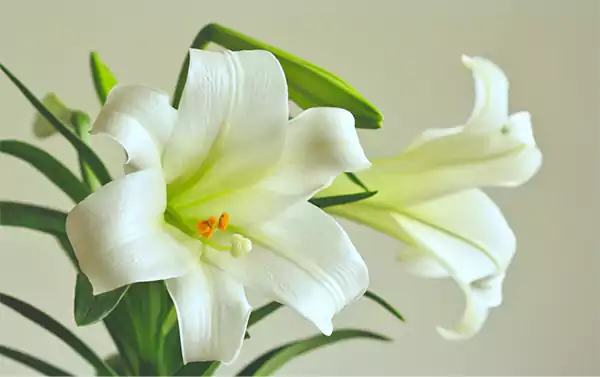
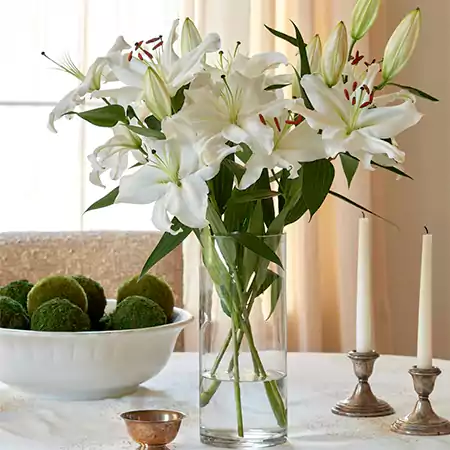
Easter lily flowers are known as the classic Easter flowers. They symbolise purity, rebirth, hope, virtue, innocence, and the resurrection of Jesus Christ. These white, trumpet-shaped blooms represent divinity and are used to decorate churches to signify a new beginning and everlasting life.
Recently, I gifted my friend a bouquet of these remarkable lilies on her graduation, as she was starting a new journey in her life, and honestly, the smile and happiness on her face were enough to know that she loved them!
Tulips
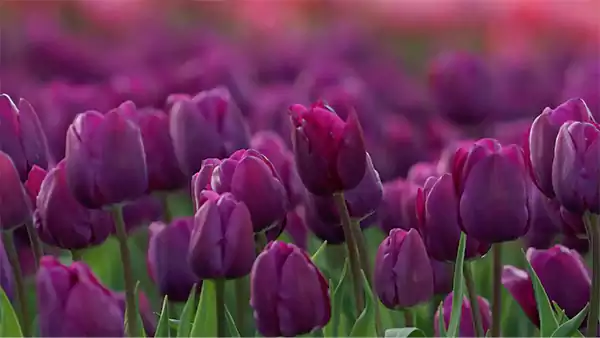
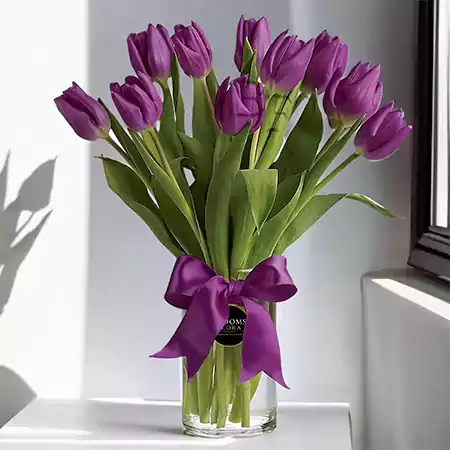
Tulips symbolise rebirth, care, affection and unconditional love. In Christian traditions, these blossoms signify renewed life, hope, and cheerfulness, often representing the resurrection. Their bright and vibrant colours represent the arrival of the season of joy, spring, and mark the celebrations of Jesus Christ’s resurrection.
Every year, I wait for the spring to come, so that I can take my mother to see tulips, as that’s her favourite flower. And for me? For me, her smiling face is a tulip in itself!
Daffodils
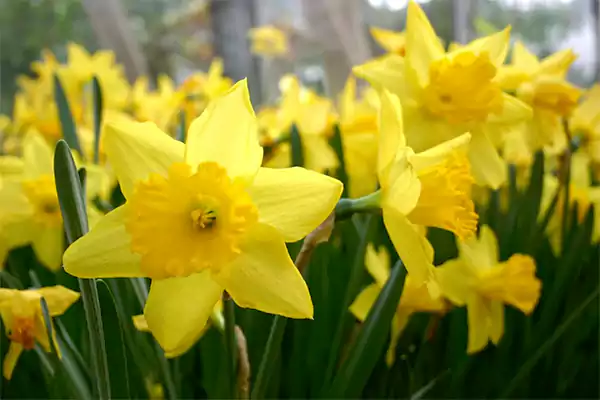
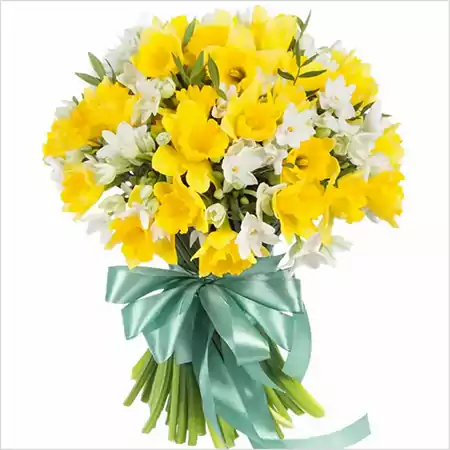
Daffodils, or Lent lilies, are the primary symbol for Easter as they represent rebirth, new beginnings, and the triumph of life over death. The bright yellow colour of these blossoms signifies joy, sunshine, and resurrection, with strong ties to spiritual renewal, making them the flower of happiness.
I still remember how I used to love that poem “Daffodils” by William Wordsworth when I was a kid. Now, as a grown-up, seeing these blooms makes me relive those days.
Hyacinths
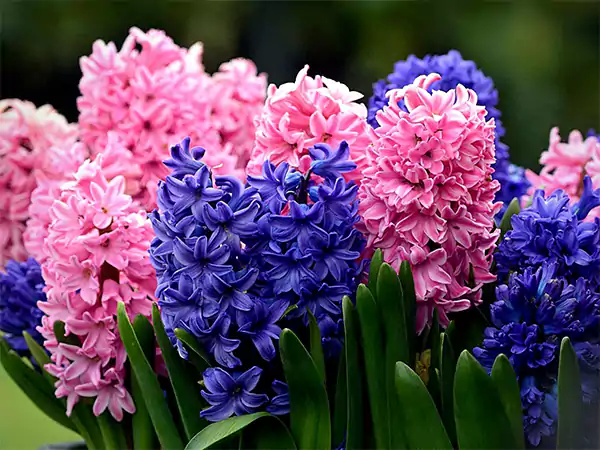
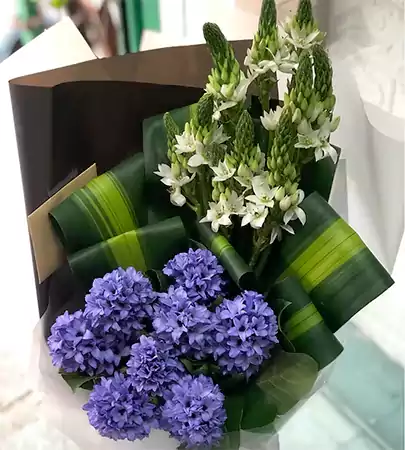
Hyacinths are fragrant spring flowers that are a very popular choice for this significant day. These blossoms symbolise resurrection, rebirth, and prayers rising heavenward. They represent joy, sincerity, and the triumph of life over death. The sweet and delicate fragrance of these blooms marks the renewal of spring.
Ranunculus
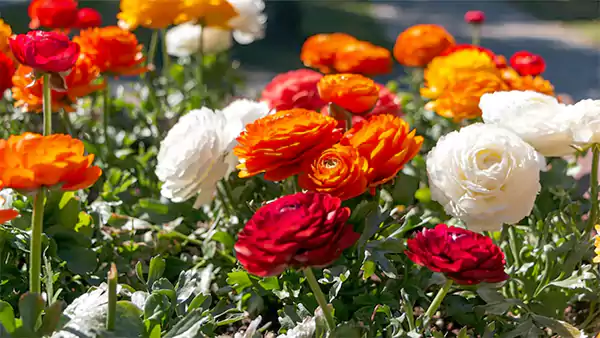
Ranunculus flowers portray charm, attractiveness, and radiance with their layered, rose-like petals. In the language of flowers, these blooms often convey the message “I am dazzled by your charms”.
Although this layered beauty is not a traditional Easter flower, it is still a popular choice as it symbolises new beginnings, purity, and fresh, cheerful joy.
Azaleas
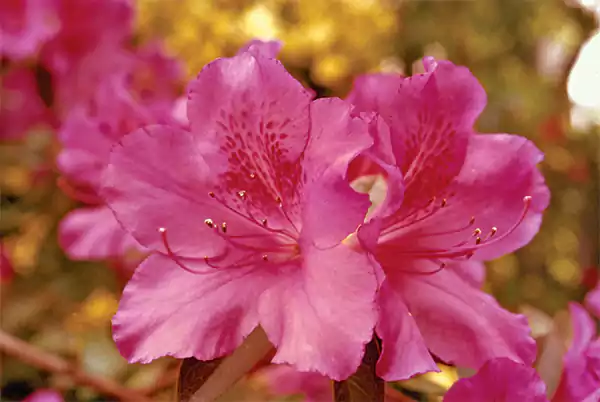
Azaleas are a popular Easter flower that symbolise grace, femininity, care, new life, hope and joy. These vibrant spring blooms are considered to be perfect for expressing love, admiration and renewal during Easter.
Whenever I see azaleas during the celebration, I feel like they are the embodiment of Mother Mary; so soft, yet resilient; so feminine, yet strong; abundant, yet rare; these blossoms are just like our mothers, aren’t they?
Easter Cactus
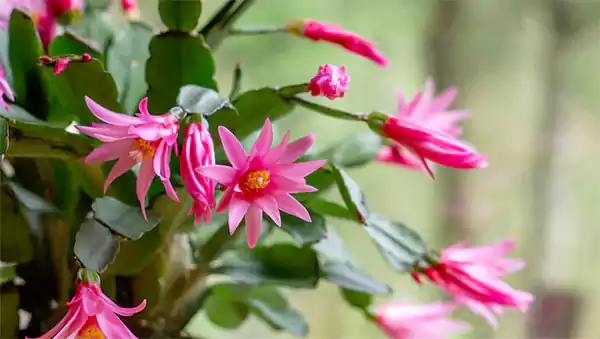
Easter cactus symbolises rebirth, renewal, endurance, and maternal love. They are often gifted during this significant occasion, especially to those who have recently started a new chapter of their life.
When I was a kid, I used to think that a cactus meant ugly, thorny plants, but now, after witnessing different varieties of them, I finally understood that there is a lot more to them than just thorns, and when they bloom, it proves that the flowers born from the hardships are the prettiest ones.
Gerbera Daisy
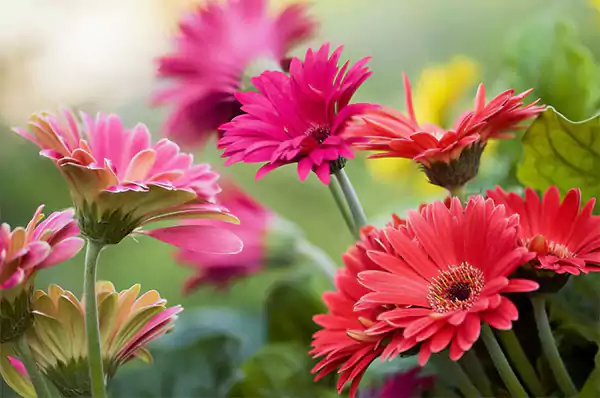
Gerbera daisies with their bright, sun-like presence symbolise cheerfulness, innocence, purity, and heartfelt love, making them a perfect Easter flower. These blooms are ideal for decoration, gifting, and adding charm to the celebrations.
The first time I came across gerbera was in my grandpa’s garden. Although he is not anymore, these blooms will always hold the sweetest memory of my life.
Iris
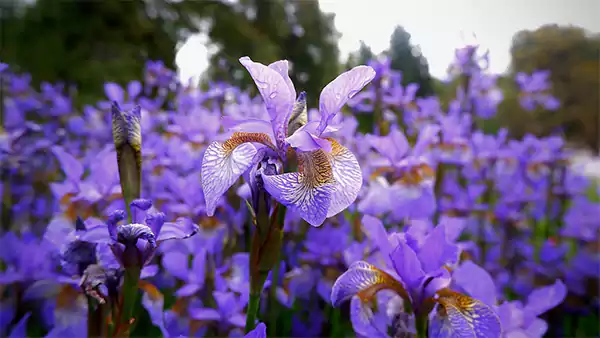
Iris is a significant easter flower which symbolises faith, hope, wisdom, and courage. In Christian art, these blooms are frequently used to represent the Virgin Mary.
The vibrant, sword-shaped petals of this blossom are said to be a portrayal of the pain of crucifixion that Jesus Christ had to go through.
Gypsophila
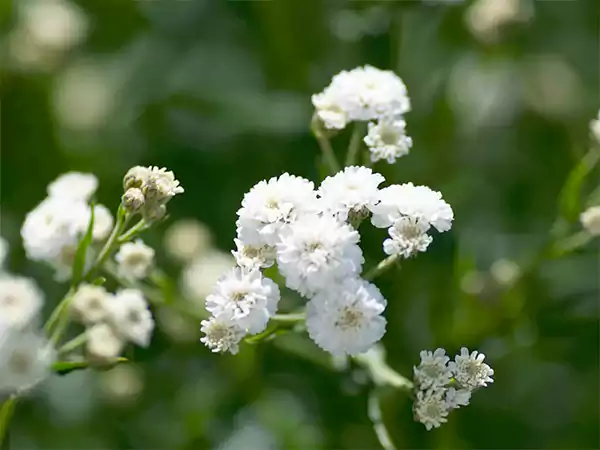
Gypsophila, or baby’s breath, is a very commonly used Easter flower which symbolizes innocence, purity, new beginnings, and everlasting love.
These small, pretty blooms represent the Holy Spirit, the angelic choir, and the fragility of life. Such serene blossoms are frequently used in flower arrangements to add a soft, cloud-like texture, giving the decoration an ethereal touch.
White Roses
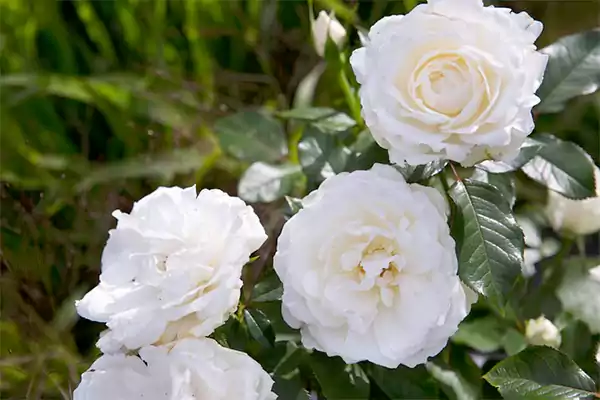
During Easter, white roses denote divine light, peace, purity, innocence, spiritual transformation, and the resurrection of Jesus Christ. This bloom is regarded as one of the most elegant choices for decoration and honours the sacred celebration.
White roses always give me a sense of calmness and tranquillity; therefore, whenever I go to a florist and find these over there, it’s a must-buy thing for me!
Daisies
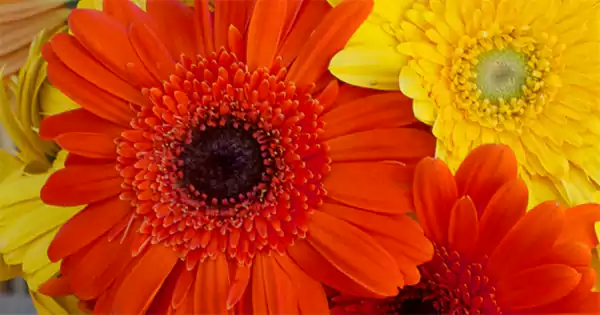
Daisies, with their bright and vibrant vibe, are considered one of the most joyful choices for easter flowers. They symbolise innocence, purity, cheerfulness, rebirth and hope. These gorgeous spring flowers add a touch of life to the decorations of this auspicious occasion.
Sometimes, I see them and wonder what it feels like to be this bright and cheerful in this world of deception. Truly wonderful, aren’t they?
Chrysanthemums
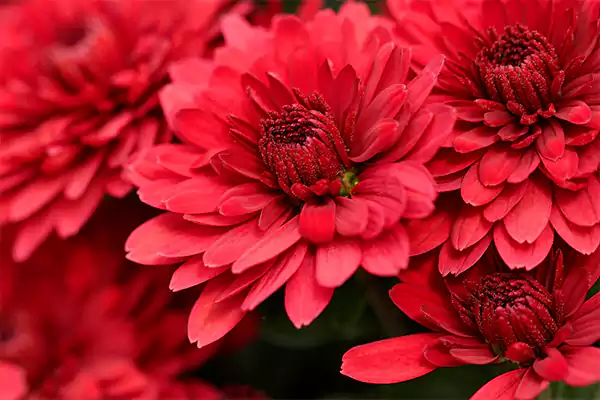
Chrysanthemums, also known as the November birth flower, are regarded as a cheerful addition to this propitious celebration. They symbolise joy, optimism, longevity, friendship, good fortune, life and rebirth. But the white variety of these blossoms signifies purity and remembrance.
I always prefer to gift mums to my friends to cheer and wish for the longevity of our friendship.
Crocus
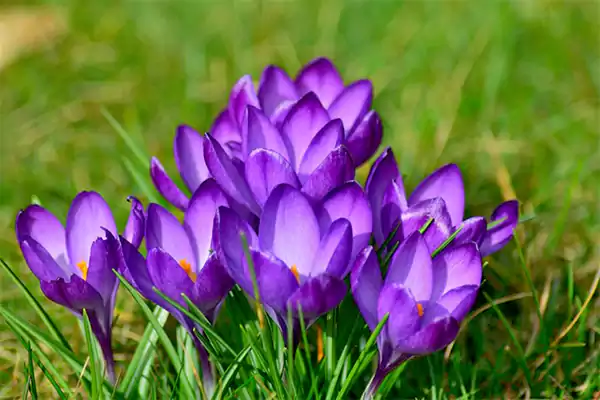
Crocus represents youthfulness, joy, spiritual awakening, and since it emerges from the frozen ground, it signifies life overcoming death. This is one of the first flowers to bloom after winter, marking the arrival of the delightful spring.
I feel like they are telling everyone that you can be vibrant and attractive, even though you are small or pocket-sized. But hey! I am tall enough, okay?
Lilac
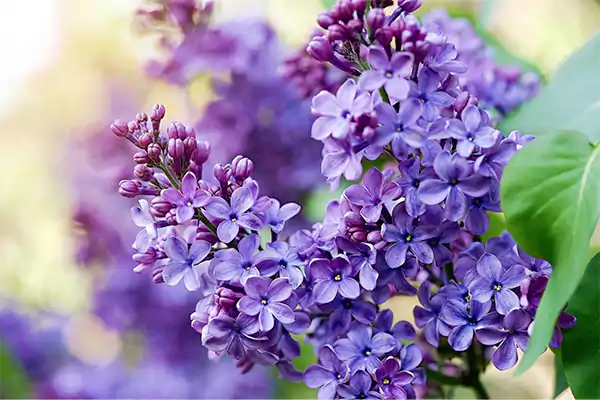
Lilacs are deeply associated with Jesus and his resurrection, as they symbolise renewal, rebirth, spiritual innocence, and spiritual confidence. The euphoric fragrance of these spring blossoms signifies joy and remembrance.
Such beautiful colour and aroma of theirs always nudges me to believe that no matter how bitter life gets, there is always something soft and sweet to look forward to!
Ideas for Decorating and Gifting Easter Flowers
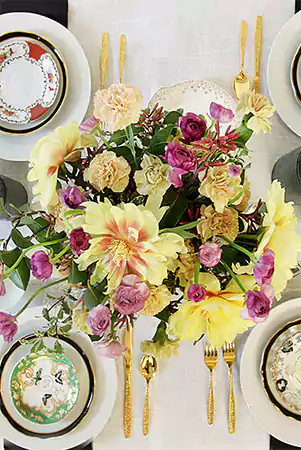
These vibrant, seasonal blooms enhance the celebration with their charming looks and enchanting fragrance. They can be used for gifting, or you can decorate your homes and churches with flowers.
Decorating churches or homes with these blooms elevates the overall ambience of the space, and if you choose to give these blossoms to someone, it can uplift their entire holiday.
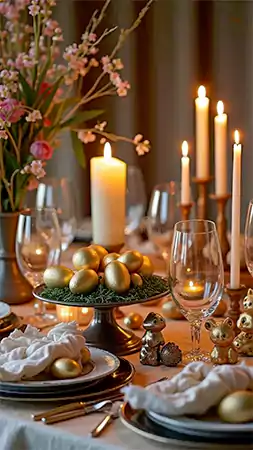
- Decoration Ideas With Easter Flowers
Idea Occasion Pictures Table Centrepiece - Wedding
- Easter
- Dinner parties
- Everyday home decor
- Christmas

Candlelit Arrangement - Wedding
- Easter
- Diwali
- Romantic dinner
- Anniversaries
- Valentines day
- Winter Parties

Floral Garland - Weddings
- Easter
- Religious ceremonies or Pujas
- Varmalas in a Hindu Wedding
- Worship God
- Decorations for holidays

Floral Wall/ Backdrop - Easter
- Weddings
- Corporate galas
- Birthday parties
- Engagement
- Anniversaries

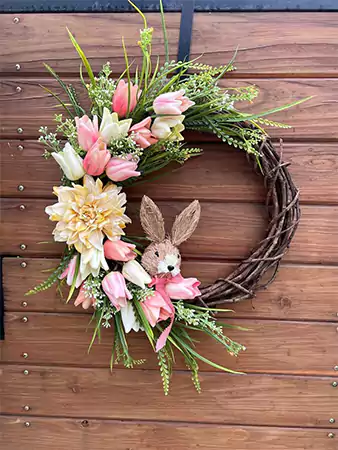
Wreaths - Easter
- Memorial
- Funerals
- Christmas
- Spring celebrations
- Weddings



- Top Easter Flowers for Gifting
Flowers Purpose Picture Easter Lilies - Easter
- Spring festival
- Mother’s Day
- Graduation
- Housewarming party
- Funerals

Tulips - Easter
- Birthdays
- Valentines day
- Anniversaries (especially 11th)
- As “get well soon” wishes
- Congratulatory gift
Daffodils - Easter
- March birthdays
- Wedding anniversaries (especially 10th)
- For new beginnings
- Memorials
- As a “cheer up” gift
Hyacinths - Easter
- Christmas
- Mother’s Day
- Birthdays
- As an apology gift
- To show sympathy
- Housewarming party

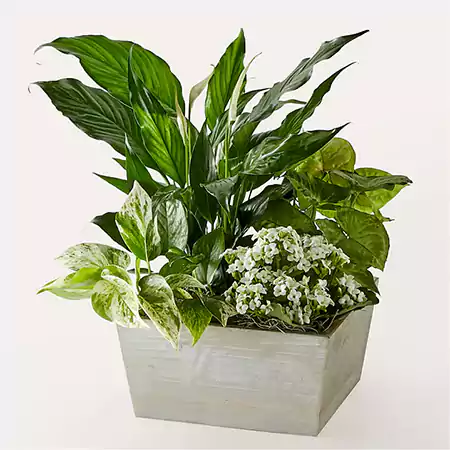
Potted Plants - Easter
- As a “thank you” gesture
- Housewarming
- Birthdays
- New business ventures
- To show thoughtfulness
Hidden Meanings Behind Colours in Easter Flower Display
Every time you see an Easter flower display, the first thing that comes to mind is, “Wow! They are pretty! Vibrant! Colourful!”, but these hues serve a lot more purpose than just being beautiful. Let’s get to know what the different colours showcase:
- White: The colour white displays divinity, purity and innocence. It evokes the feelings of spirituality, peace, and serenity.
- Yellow: Vibrant and cheerful yellow symbolises joy, optimism, and happiness. This colour marks the beginning of something new.
- Red: This bold and powerful colour represents the blood of Jesus Christ and is associated with the Lord’s ultimate sacrifice. The presence of red in the display is also a reminder of God’s infinite love and signifies passion, life, and courage.
- Purple: This remarkable colour is associated with spirituality, hope, and faith, which makes it a popular choice for Easter. In some cultures, purple is portrayed as the colour of royalty, representing the heavenly kingdom from where Jesus had ascended.
- Orange: Colour of fieriness, orange, represents energy, enthusiasm, and passion for life.
- Pink: Epitome of softness, delicate pink colour symbolises grace, gentleness, appreciation, and the joyous spirit of Easter
Conclusion
I find these spring holiday flowers much more than just mere decorations; they are an integral part of the easter celebrations and our day-to-day life.
These blossoms are a symbolic component of this holiday. I find them acting as a bridge that connects religious and spiritual significance to that of natural and thematic elements of joy, renewal, rebirth, purity, virtue and faith.
And hey! All of us need hope, positivity, and faith in our lives, right? This is what they represent: the victory of light over darkness!
What are easter flowers?
Easter flowers are popular, vibrant flowers that bloom during spring, symbolising hope, renewal, and new beginnings.
What are traditional easter flowers?
The traditional easter flowers include easter lilies, tulips, daffodils, hyacinths, daisies, irises, and white roses.
What flowers are associated with Easter?
Flowers such as easter lilies, daffodils, Iris, Lilac, Daisies, etc. are associated with Easter. These flowers not only carry beauty and fragrance, but also deep meanings.
What are the flowers for Easter?
The most traditional flower for Easter is easter lilies, but along with it, there are also many other flowers for easter such as tulips, hyacinths, ranunculus, easter cactus, gypsophila, and so on.
- Easter Flowers – UC Agriculture and Natural Resources
- History and tradition of Easter Lily – University of Nevada, Reno
- Significance of Easter Blooms– Indian Catholic Matters
Flowers That Start With E: 45 Types, Names & Growing Tips
[…] to the Asiatic lily, this Easter flower is also part of the Liliaceae family. family. This herbaceous perennial is known to bloom its large […]
Friendship Flower: 10 Flowers That Symbolize Friendship
[…] iris flower is symbolic of the idea of trust and wisdom. Used as a popular friendship flower, these Easter flowers are used to signify faith in the […]