


White flowers are known to be symbols of purity and innocence. Their diversity is huge, ranging in sizes, shades, and petal structures. They have a calm spirit, which makes them a great addition to your home decor and garden.
Henceforth, in today’s article, I have brought you a list of stunning white flowers, ranging from common to rare, large to small. I will also mention gardening tips and requirements for each. So, let’s get started!
Top White Flower Names With Gardening Tips
From pretty ivories to vibrant whites adorning other shades, there are diverse types of white flowers around the world. Let’s glance over the list of gorgeous white flower bulbs that are always in demand! We’ll also explain to you the favorable hardy zones and additional gardening tips, so give it a good read.
Quick Definition: Geographical areas classified by climate are called hardiness zones, or hardy zones. These are used to forecast the best growth environments for different kinds of plants. The USDA Plant Hardiness Zone Map splits the US and Canada into 13 zones based on the average annual lowest winter temperature.
Astilbe
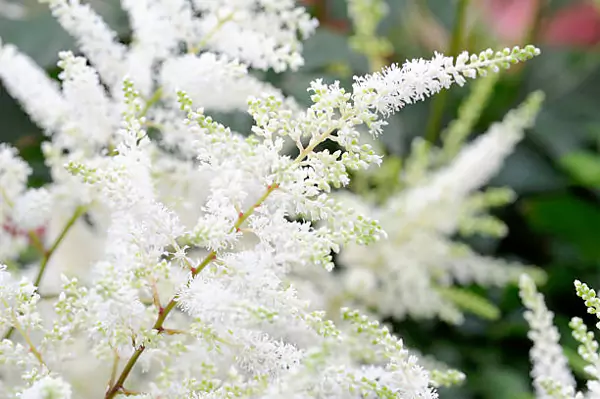
Astilbes are fantastical flowers that grow in enormous clusters. They prefer loam soil, lots of water, and adequate drainage. Their flowering season lasts for a few months, beginning in the early summer. Perennial asters may reach a height of twenty-eight inches and thrive in shade. They are, therefore, able to provide thick, dense foliage for the entire season.
| Scientifically Called: | Astilbe |
| Plant Type: | Perennial |
| Hardy Zones (USDA): | 3-8 |
| Sun Exposure: | Partial Shade to Full Shade |
| Water Requirements: | Once a week |
| Blooming Period: | Late spring to late summer |
Gardenia
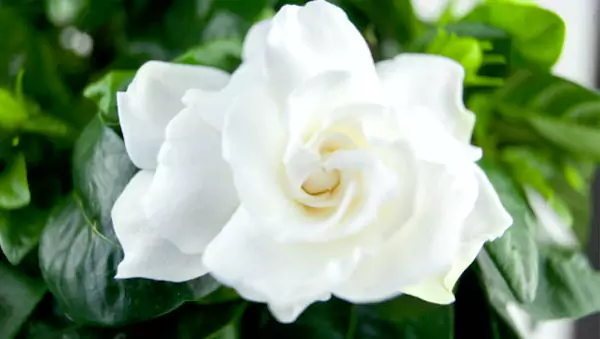
The aromatic blooms of gardenias contrast with their dark, glossy foliage. Their wonderful scent makes them excellent indoor plants. You need to keep track of their soil moisture and ensure that they receive enough sunlight. These plants require special care as they are more vulnerable to mold and mealy bugs than other flowering plants.
| Scientifically Called: | Gardenia Jasminoides |
| Plant Type: | Evergreen shrub |
| Hardy Zones (USDA): | 7-10 |
| Sun Exposure: | Full to partial sun |
| Water Requirements: | Once a week |
| Blooming Period: | Spring to summer |
Dahlia
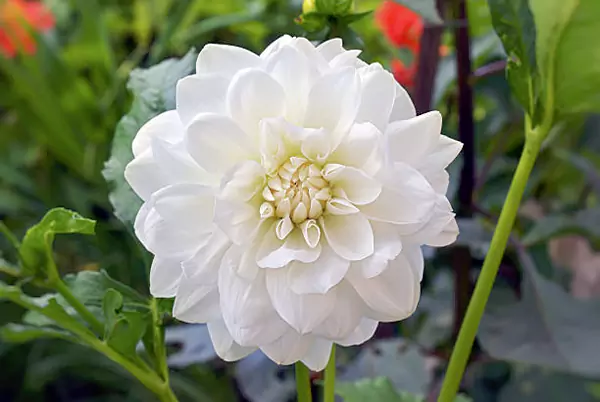
Dahlias are annual bulbs that yield dense flowers with endless tiny petals. The flowers are about four inches in diameter, and the shrub reaches a height of forty-eight inches. Although they prefer full light, dahlias need to be shielded from windy conditions.
| Scientifically Called: | Dahlia |
| Plant Type: | Annual |
| Hardy Zones (USDA): | 3-11 |
| Sun Exposure: | Full to partial sun |
| Water Requirements: | When the top one inch of soil is dry |
| Blooming Period: | Mid-summer to early winter |
Quick Tip: Dahlias grow well in sandy, loamy, and clay-like soil. For maximum visual effect, plant in clusters of five or more, and in colder climates, dig up and store the bulbs for the winter.
Foxgloves
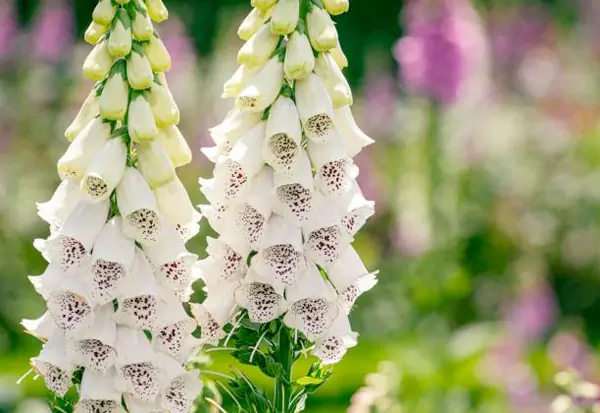
These incredibly tall perennial flowers are loaded with huge, bell-shaped, ivory blooms. Due to their unique form and nectar, hummingbirds are often drawn to foxgloves. When planting seeds or seedlings, make sure they have enough space to grow.
| Scientifically Called: | Digitalis |
| Plant Type: | Biennial |
| Hardy Zones (USDA): | 4-9 |
| Sun Exposure: | Full sun to partial shade |
| Water Requirements: | When the top one inch of soil is dry |
| Blooming Period: | Early summer |
Hibiscus
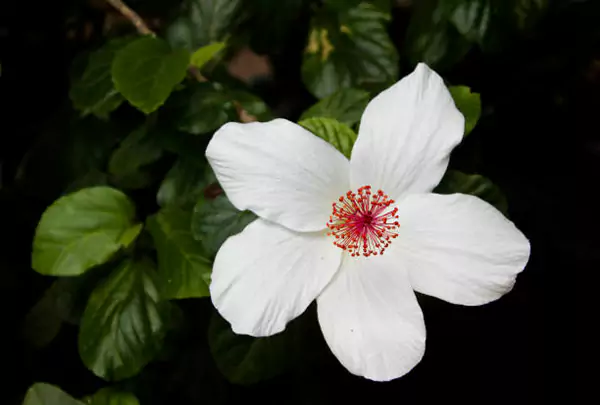
These gorgeous flowers exude the aura of a lush tropical region, adding a tint of freshness to the air. They are often used in perfumes and remain a valued flavor in many recipes for foods and drinks.
| Scientifically Called: | Hibiscus Moscheutos |
| Plant Type: | Perennial |
| Hardy Zones (USDA): | 5-8 |
| Sun Exposure: | Full sun |
| Water Requirements: | Twice a week |
| Blooming Period: | Mid to late summer |
Buttercup
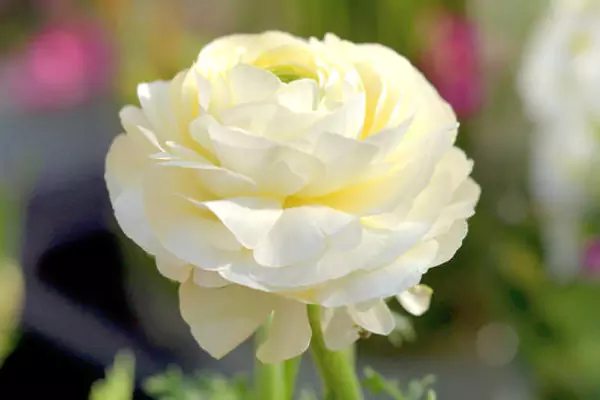
Florists love buttercups for their lengthy vase life and strong, spiraling petals. They are commonly used in bouquets and flower arrangements, as they remain fresh for a long while after being removed from the stem. These blossoms are normally annual; however, if planted in well-drained soil, some varieties can bloom for another year.
| Scientifically Called: | Ranunculus |
| Plant Type: | Biennial |
| Hardy Zones (USDA): | 8-11 |
| Sun Exposure: | Full sun |
| Water Requirements: | When the top one inch of soil is dry |
| Blooming Period: | Spring to early summer |
Rose
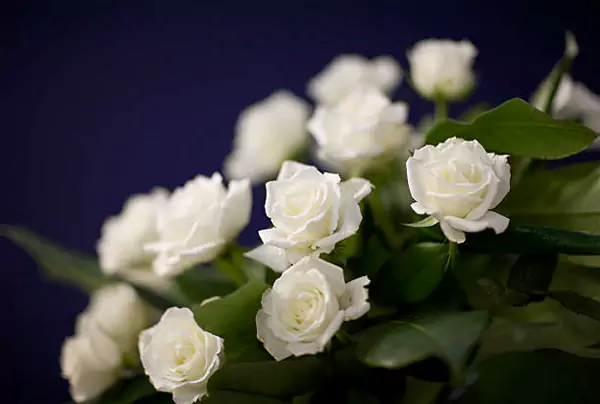
Roses are well recognized as a classic symbol of beauty and love, yet each shade has a unique significance. Since white roses are a representation of divine love and reverence, they are often chosen for bridal bouquets and confessions. Roses bloom from the middle of spring until the end of autumn. Trimming is required to keep growth at its best.
| Scientifically Called: | Rosa X Alba |
| Plant Type: | Deciduous shrub |
| Hardy Zones (USDA): | 3-8 |
| Sun Exposure: | Full sun to partial shade |
| Water Requirements: | Once a week |
| Blooming Period: | Late spring to early fall |
Hydrangea
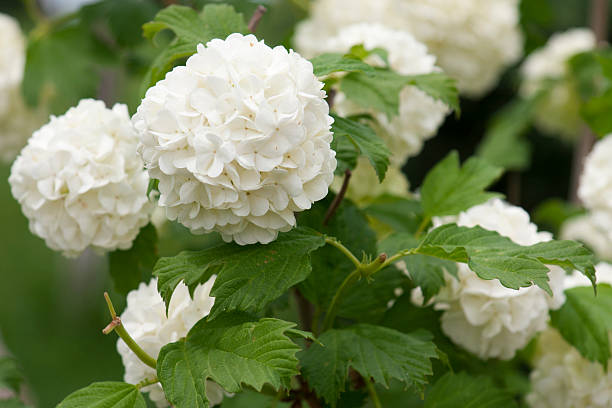
The lush clusters of blooms that emerge from the verdant foliage are an easy way to identify any of the seventy species of Hydrangeas. As the name ‘hydra’ suggests, it takes a lot of water to develop these popular bridal bouquet flowers.
| Scientifically Called: | Hydrangea Aborescens |
| Plant Type: | Deciduous shrub |
| Hardy Zones (USDA): | 3-9 |
| Sun Exposure: | Full sun to afternoon shade |
| Water Requirements: | Thrice a week |
| Blooming Period: | Spring to early fall |
Dendrobium Orchid
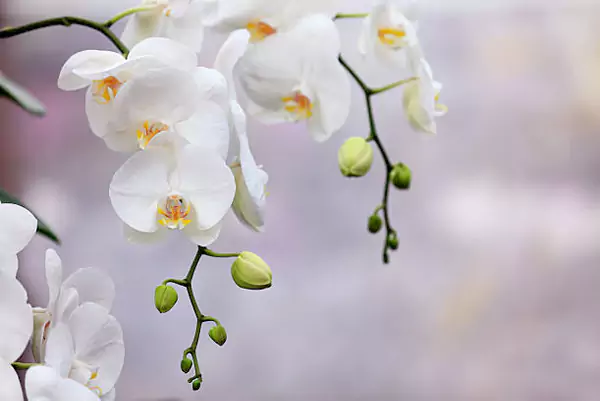
This species of orchid is relatively easy to grow if provided with the ideal conditions. These exquisite decorative houseplants have delicate, white blossoms dangling from their thin stems. Little pots and lots of sunlight are perfect for orchid growth.
| Scientifically Called: | Dendrobium spp. |
| Plant Type: | Perennial |
| Hardy Zones (USDA): | 9 to 12 (USDA) |
| Sun Exposure: | Partial sun |
| Water Requirements: | When the top two inches of soil are dry |
| Blooming Period: | Through spring |
Snapdragons
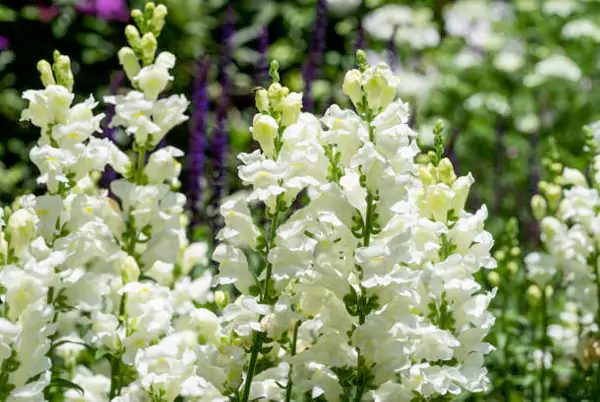
These flowers resemble a dragon’s mouth; hence, they are popularly known as Snapdragons. They grow a large, dense cluster of blooms at the apex of their stem that stands out sharply against the foliage. Unlike most other flowers on this list, snapdragons like to bloom in the fall and winter.
| Scientifically Called: | Antirrhinum coulterianum |
| Plant Type: | Annual |
| Hardy Zones (USDA): | 8a to 10 (USDA) |
| Sun Exposure: | Full sun |
| Water Requirements: | When the top one inch of soil is dry |
| Blooming Period: | Spring to fall |
Calla Lily
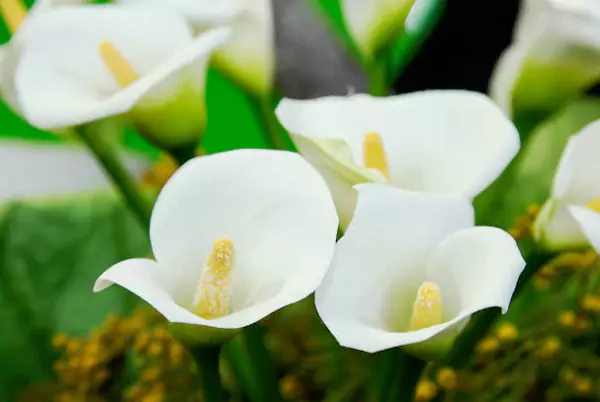
Contrary to their name, Calla lilies are not average lilies. These perennial plants, native to Africa, are one of the 28 species of the genus Calla. Reaching heights of one to three feet, they can be easily recognized by their characteristic bloom and stamen.
| Scientifically Called: | Zantedeschia Aethiopica |
| Plant Type: | Herbaceous perennials |
| Hardy Zones (USDA): | 8 to 10 (USDA) |
| Sun Exposure: | Partial to full shade |
| Water Requirements: | Twice a week |
| Blooming Period: | Early summer |
Camellia
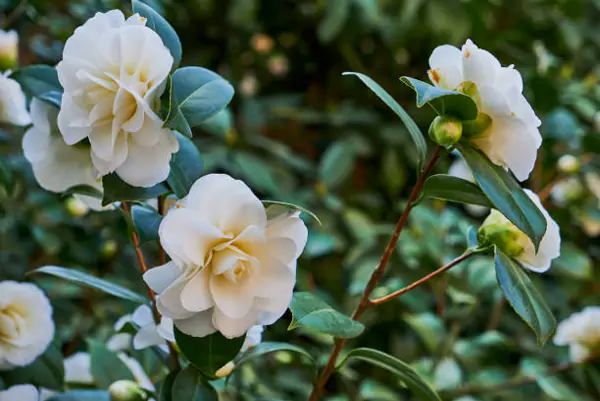
Since camellias are always evergreen, they can be the perfect flowering plant to brighten your yard in the winter. The fractal structure of their petal growth gives rise to lovely, symmetrical blooms. A combination of moderate sun and shade works best for them. These low-maintenance blossoms grow well in sandy, loamy, and clay soil.
| Scientifically Called: | Camellia Japonica |
| Plant Type: | Evergreen shrub |
| Hardy Zones (USDA): | 7 to 9 (USDA) |
| Sun Exposure: | Partial to full shade |
| Water Requirements: | Water once a week |
| Blooming Period: | Fall to spring |
Chrysanthemum
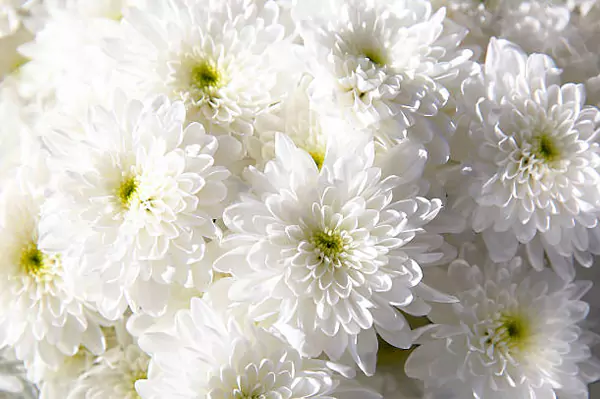
Mums, or chrysanthemums, come in a wide variety of sizes, shapes, and colors. Large, eye-catching white blossoms, known as white chrysanthemums, stand for devotion and faithfulness. Your chrysanthemums will reappear year after year if you give them proper care in the winter.
| Scientifically Called: | Chrysanthemum |
| Plant Type: | Perennial |
| Hardy Zones (USDA): | 4 to 9 (USDA) |
| Sun Exposure: | Full sun |
| Water Requirements: | Once in 2 days |
| Blooming Period: | Late summer to fall |
Snowball Marigold
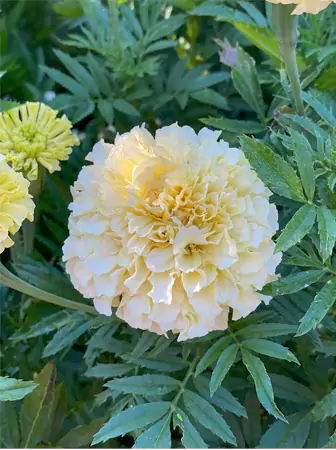
Long, leafy branches of the snowball marigold plant produce delightfully dense, spherical clusters of white blooms. Marigolds prefer wet soil and full light. Their beauty is evident when they bloom to the fullest in early summer.
| Scientifically Called: | Tagetes erecta |
| Plant Type: | Herbaceous, annual |
| Hardy Zones (USDA): | 2 to 11 (USDA) |
| Sun Exposure: | Full sun |
| Water Requirements: | When the top one inch of soil is dry |
| Blooming Period: | Early spring to hard frost |
Allium
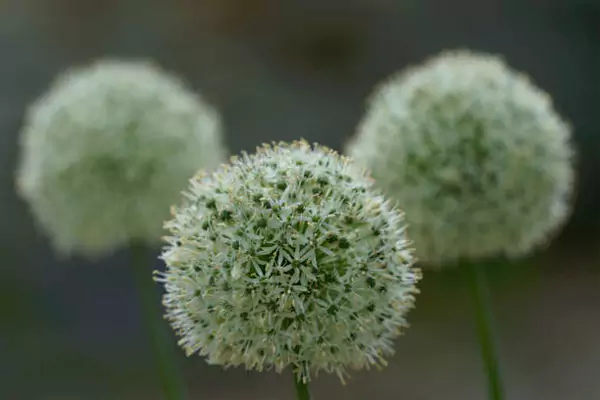
White Allium belongs to the same genus as garlic and onion plants. This plant, sometimes called the ‘White Giant’, can reach a height of four feet and yield globes that are six to eight inches in diameter. These perennial flowers bloom from late spring to early summer, preferring full sun exposure. For optimal results, plant them in groups of ten to fifteen in the fall.
| Scientifically Called: | Allium |
| Plant Type: | Perennial |
| Hardy Zones (USDA): | 3 to 8 (USDA) |
| Sun Exposure: | Full sun |
| Water Requirements: | When the top one inch of soil is dry |
| Blooming Period: | Late spring to early summer |
Moonflower
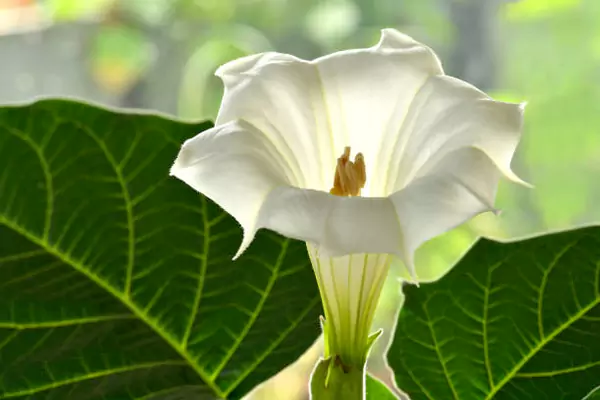
The late afternoon blooms of these trumpet-shaped flowers leave a light scent that lingers in the surrounding area. The vines will gladly encircle anything that comes into contact with them. Guide the vines through a trellis, and soon you’ll have a lovely, fragrant vine to add to your yard.
| Scientifically Called: | Ipomoea Alba |
| Plant Type: | Perennial flowering vines |
| Hardy Zones (USDA): | 10 to 12 (USDA) |
| Sun Exposure: | Full sun |
| Water Requirements: | When the top one inch of soil is dry |
| Blooming Period: | Late summer to early fall |
Iris
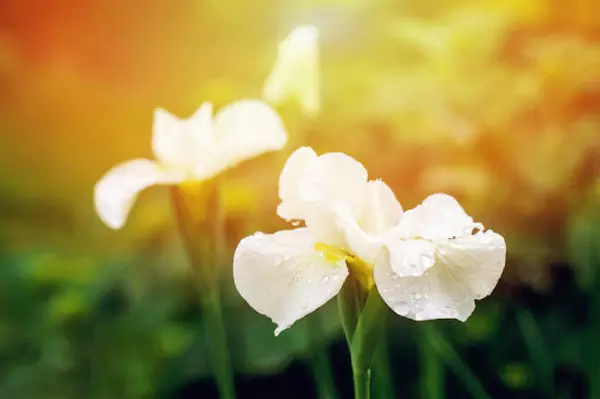
This genus of flowering plants is named after the Greek word for a rainbow. Most wild irises are white, and you can easily find this vibrant hue in some regions. Given their long stems, Irises require a lot of room to grow and frequently compete with other plants for sunlight.
| Scientifically Called: | Iris |
| Plant Type: | Perennial |
| Hardy Zones (USDA): | 3 to 9 (USDA) |
| Sun Exposure: | Full sun |
| Water Requirements: | When the top one inch of soil is dry |
| Blooming Period: | Late spring |
White Butterfly Bush
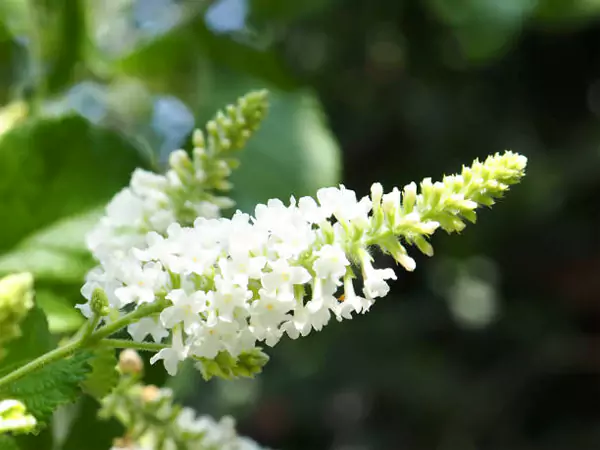
This lush bloom earned its name by attracting butterflies like a magnet. These medium to large-sized bushes are quick to grow, with little white blossoms covering them. Even though it is primarily found in lavender and purple, the butterfly bush nonetheless has a lovely appearance in white.
| Scientifically Called: | Buddleja |
| Plant Type: | Herbaceous Perennial |
| Hardy Zones (USDA): | 5-10 |
| Sun Exposure: | Full sun |
| Water Requirements: | Once a week |
| Blooming Period: | Mid-summer to early fall |
Arabian Jasmine

Arabian jasmine is a stunning plant with a powerful and seductive aroma. This evergreen scrambler can entangle itself for support and grow up to 10 feet in height. The clusters of three to twelve white flowers can endure throughout summer, or even longer in warmer regions. Their blossoms often turn pink with age.
| Scientifically Called: | Jasminum Sambac |
| Plant Type: | Perennial shrub |
| Hardy Zones (USDA): | 8-11 |
| Sun Exposure: | Full sun |
| Water Requirements: | When the top one inch of soil is dry |
| Blooming Period: | Throughout summer |
Quick Tip: Loam soils and full to partial sun are ideal for Arabian jasmine. It requires minimal maintenance beyond proper drainage. You can shape and prune it, and it doesn’t attract many bugs.
Wisteria
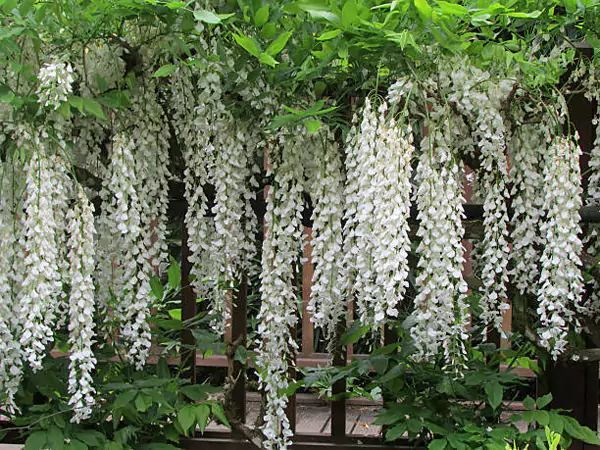
Tall climbing vines called Wisterias produce thick clusters of tiny blooms in the spring. With a maximum length of 30 feet, this flower is widely used for outdoor cascading. This aromatic blossom attracts bees, birds, and butterflies, among other pollinators. Provide a sturdy structure for the vine to cling to, such as a trellis or balcony. Prune in late winter or early spring to keep a balanced structure.
| Scientifically Called: | Wisteria |
| Plant Type: | Perennial |
| Hardy Zones (USDA): | 5-9 |
| Sun Exposure: | Full sun to partial shade |
| Water Requirements: | When the top one inch of soil is dry |
| Blooming Period: | Through spring |
Now, let’s explore some more white flowers that are comparatively smaller than the aforementioned ones!
Popular Small White Flowers With Gardening Tips
If you’re the one to gush over little flower buds, then this list of tiny white flowers is perfect for you! Take a look at all the little blossoms with growing tips:
Nemesia
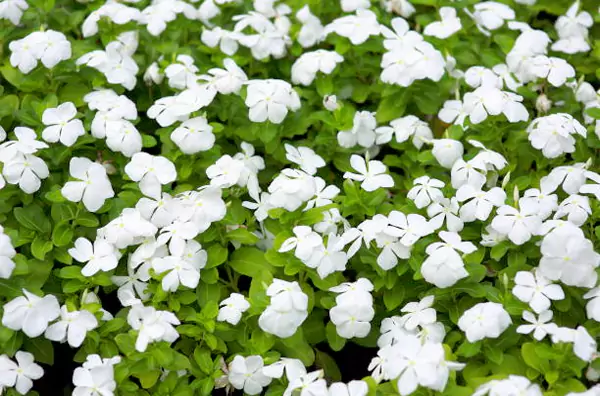
Nemesia is a bushy annual plant that might get taller than half a meter and thrives on an abundance of tiny white blossoms. As it grows well in partial sunshine, it is a perfect addition to gardens that offer dappled shade. However, remember that it bears fewer flowers in warmer climates.
| Scientifically Called: | Nemesia |
| Plant Type: | Annual |
| Hardy Zones (USDA): | 9 to 11 (USDA) |
| Sun Exposure: | Full to partial sun |
| Water Requirements: | When the top few inches of soil are dry |
| Blooming Period: | Late spring until the first frost |
Snowdrop
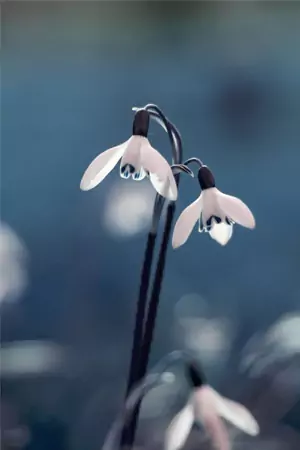
Galanthus, commonly referred to as Snowdrop gets its name from the eye-catching, bulbous, white blooms that droop down when fully bloomed. Snowdrops are easy to grow, but they don’t get very tall; thus, set them up where they can be easily seen.
| Scientifically Called: | Galanthus nivalis |
| Plant Type: | Perennial |
| Hardy Zones (USDA): | 3 to 7 (USDA) |
| Sun Exposure: | Full sun to partial shade |
| Water Requirements: | When the top one inch of soil is dry |
| Blooming Period: | Early spring |
Daffodil
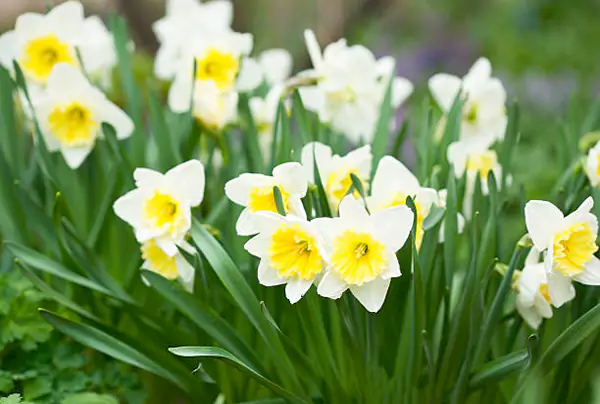
Daffodils are sun-loving flowers with six-petaled crowns that are resistant to rabbits and deer. If planted in the fall, daffodil bulbs will yield trumpet-shaped blossoms in the early spring. These beautiful blossoms represent rebirth, resilience, and hope.
| Scientifically Called: | Narcissus |
| Plant Type: | Perennial |
| Hardy Zones (USDA): | 4-8 |
| Sun Exposure: | Full or partial sun |
| Water Requirements: | Once a week |
| Blooming Period: | Late winter to early spring |
Fun Fact!
The Latin name for daffodils, narcissus, is named after an ancient Greek hunter who fell in love with his own reflection.
Tulips
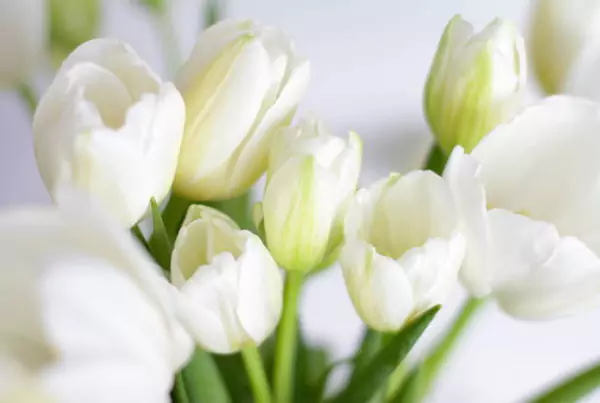
Perennial tulips come in a range of vibrant colors and are a common sight in spring gardens. Given its associations with forgiveness and purity, the white tulip is a powerful representation of kindness. They prefer loamy, sandy soil and don’t require much upkeep outside. These flowers grow well indoors and make wonderful bouquets and centerpieces.
| Scientifically Called: | Tulipa |
| Plant Type: | Perennial |
| Hardy Zones (USDA): | 3-8 |
| Sun Exposure: | Full sun |
| Water Requirements: | Once a week |
| Blooming Period: | Early to mid-spring |
Lily of the Valley
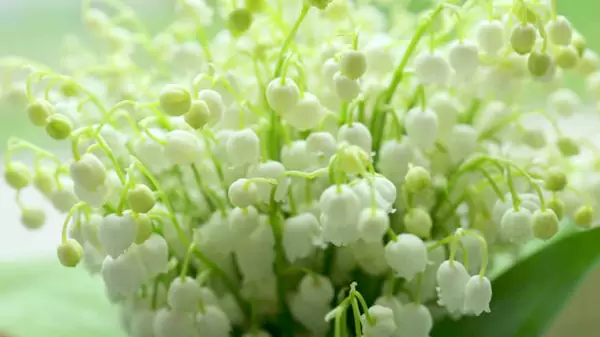
Any garden would become mesmerizing with the tiny white flowers that resemble a cluster of bells. These lovely blossoms only get six to twelve inches tall. Clay and loam soils with sufficient drainage and moderate moisture are preferred for this plant. However, given their drought-tolerant ability, they may manage to survive in clay-rich dry soil.
| Scientifically Called: | Convallaria Majalis |
| Plant Type: | Perennial |
| Hardy Zones (USDA): | 2-9 |
| Sun Exposure: | Full to partial sun |
| Water Requirements: | Once a week |
| Blooming Period: | Mid-spring to early summer |
Petunia
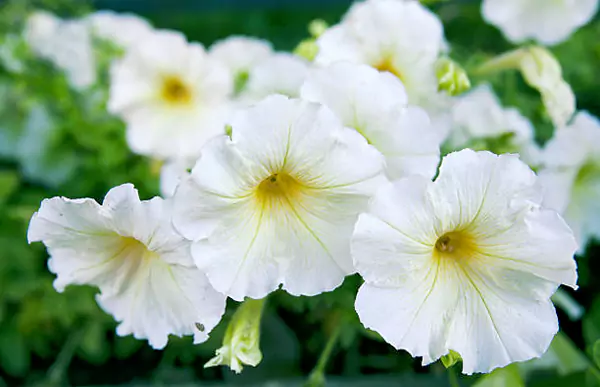
Petunia plants are annual perennials that come in a range of vivid colors. If they receive adequate direct sunlight, they will continuously bloom from the start of spring until the first frost. These gorgeous flowers need very little care, but occasional trimming will improve their bloom.
| Scientifically Called: | Petunia |
| Plant Type: | Perennial |
| Hardy Zones (USDA): | 9-11 |
| Sun Exposure: | Full sun |
| Water Requirements: | Once a week |
| Blooming Period: | Spring until frost |
Carnation
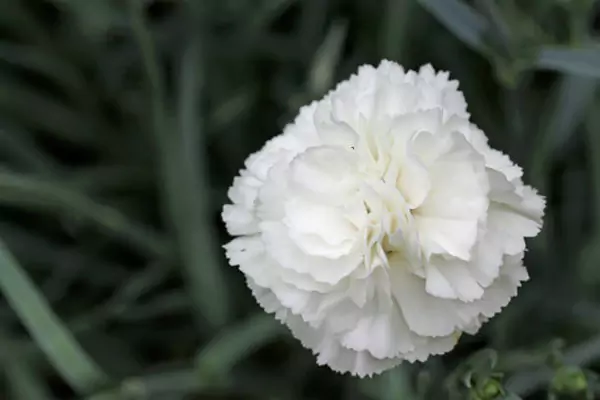
Carnation flowers are known to naturally occur in shades of pink and white. But thanks to selective breeding, they can now be seen in a variety of hues, including red, purple, orange, green, and blue. These flowers are also frequently used as a garnish for food.
| Scientifically Called: | Dianthus Caryophyllus |
| Plant Type: | Perennial |
| Hardy Zones (USDA): | 5 to 10 (USDA) |
| Sun Exposure: | Full sun to partial shade |
| Water Requirements: | Once a week |
| Blooming Period: | Late spring to early autumn |
Waterhyssop
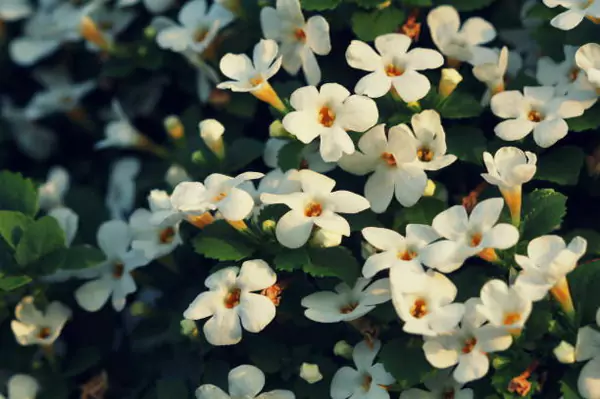
This perennial herb bears exquisite white blossoms that are borne in thick bunches. Due to its anxiolytic, antidepressant, and memory-enhancing properties, Bacopa has become more and more popular in ayurvedic treatment. Its health-boosting properties make it a popular medicinal plant to grow in your garden.
| Scientifically Called: | Bacopa monnieri |
| Plant Type: | Perennial |
| Hardy Zones (USDA): | 8-11 |
| Sun Exposure: | Partial Shade to Full Shade |
| Water Requirements: | When the top one inch of soil is dry |
| Blooming Period: | Mid-spring to fall |
Angelonia

Angelonia, sometimes called ‘Angelface’, is a delicate perennial plant that needs very little care and moisture. It prefers full sun and grows well in normal chalky, clay, or sandy soil. This blossom grows to a maximum height of forty to thirty inches and a maximum width of eighteen to twelve inches. It is a great plant for novices as it is easy to grow, self-cleaning, and rarely attracts disease or pests.
| Scientifically Called: | Angelonia |
| Plant Type: | Perennial |
| Hardy Zones (USDA): | 9-11 |
| Sun Exposure: | Full sun |
| Water Requirements: | Twice a week |
| Blooming Period: | Late spring to fall |
Peony
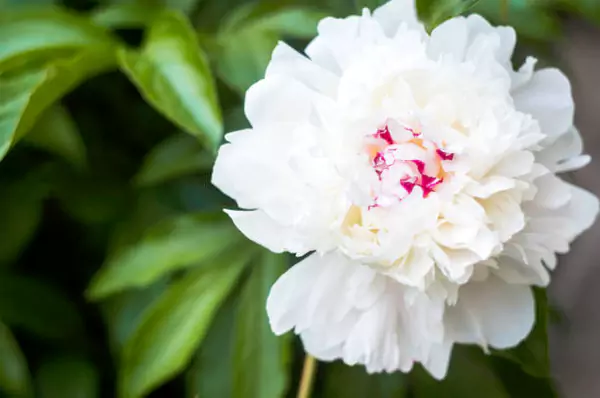
Peony plants yield large, fragrant flowers with colors ranging from white to fuchsia. With them being perennial and hardy, they make an ideal garden plant. Since the herbaceous varieties can grow up to two meters tall, make sure they are planted in an area with lots of sunlight and room to grow.
| Scientifically Called: | Paeonia Lactiflora |
| Plant Type: | Perennial |
| Hardy Zones (USDA): | 3-8 |
| Sun Exposure: | Full sun |
| Water Requirements: | When the top one inch of soil is dry |
| Blooming Period: | Late spring to early summer |
White Bouvardia
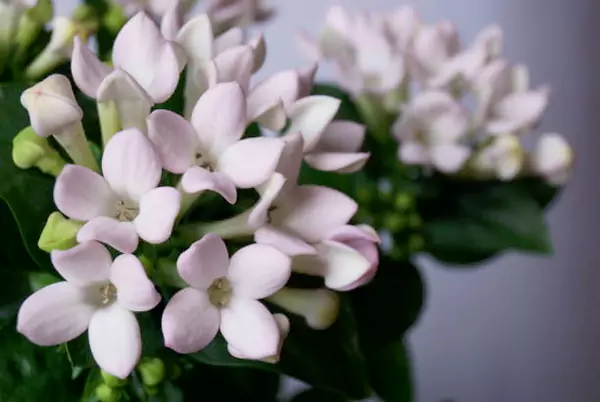
Thanks to its broad, dark-green leaves and small, star-shaped flowers, this plant is used as decor for weddings and other special occasions. They are great houseplants and do well in warm, temperate climates.
| Scientifically Called: | Bouvardia longiflora |
| Plant Type: | Evergreen shrub |
| Hardy Zones (USDA): | 9-11 |
| Sun Exposure: | Full sun |
| Water Requirements: | Once a week |
| Blooming Period: | Spring to fall |
Baby’s Breath
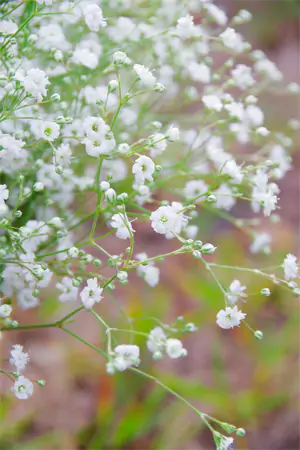
Gypsophila, or baby’s breath, is a popular flower loved by florists worldwide. The thin stems of this plant produce clusters of tiny, delicate, white blossoms. Flowers, both fresh and dried, are used as embellishments in bouquets and interior flower arrangements.
| Scientifically Called: | Gypsophila |
| Plant Type: | Perennial |
| Hardy Zones (USDA): | 3-9 |
| Sun Exposure: | Full sun |
| Water Requirements: | Once a week |
| Blooming Period: | Late spring to summer |
Fan Flower
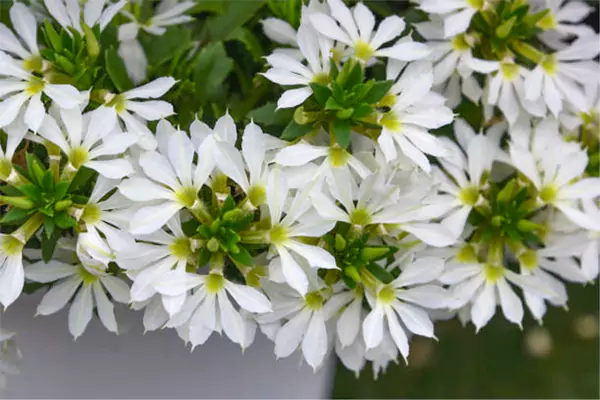
These beautiful white annual blooms are low maintenance and remain just as beautiful every year. Although they are native to southern Australia, their resistance to summer heat has made them popular in gardens all over the world. Due to their ability to attract pollinators and adapt to the climate, they make a great addition to any garden.
| Scientifically Called: | Scaevola |
| Plant Type: | Evergreen Perennial |
| Hardy Zones (USDA): | 9-11 |
| Sun Exposure: | Full to partial sun |
| Water Requirements: | When the top one inch of soil is dry |
| Blooming Period: | Early summer to frost |
Lobelia
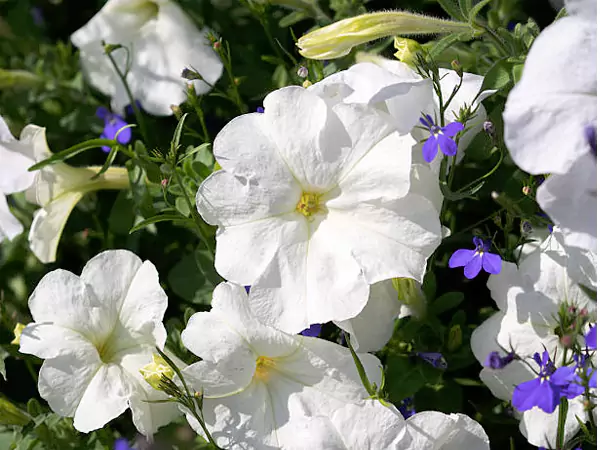
Lobelia is a little plant that comes in a variety of hues. This perennial dislikes summer heat; however, if sheltered by larger plants, it forms great ground cover. Despite being small, they yield large, beautiful white flowers.
| Scientifically Called: | Lobelia |
| Plant Type: | Perennial |
| Hardy Zones (USDA): | 10-11 |
| Sun Exposure: | Full sun to partial shade |
| Water Requirements: | When the top one inch of soil is dry |
| Blooming Period: | Spring to fall |
Yarrow
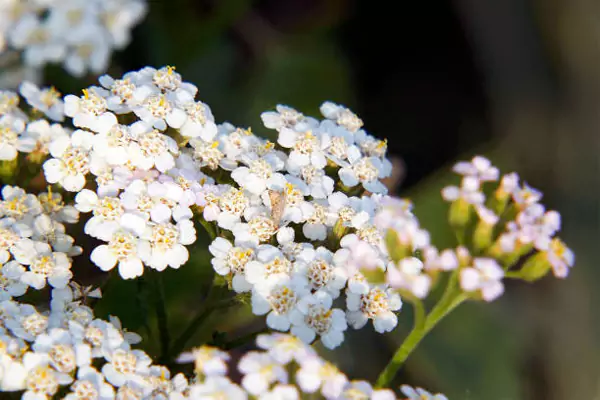
Yarrow, valued for its medicinal qualities, features little white flowers that grow in clusters. In natural medicine, it is used to treat a wide range of illnesses, such as flesh wounds, gastrointestinal trouble, arthritis, and congestion.
| Scientifically Called: | Achillea millefolium |
| Plant Type: | Perennial |
| Hardy Zones (USDA): | 3-9 |
| Sun Exposure: | Full sun |
| Water Requirements: | When the top one inch of soil is dry |
| Blooming Period: | Spring to summer |
Hellebore

These hardy plants stay evergreen in any region and climate except harsh winters. To fully appreciate the white blossoms, plant them on hills or slopes. These perennials can go well in the same pot with snowdrops and daffodils.
| Scientifically Called: | Helleborus |
| Plant Type: | Herbaceous Perennial |
| Hardy Zones (USDA): | 6-9 |
| Sun Exposure: | Full sun to partial shade |
| Water Requirements: | When top one inch of soil is dry |
| Blooming Period: | Spring to fall |
White Lavender
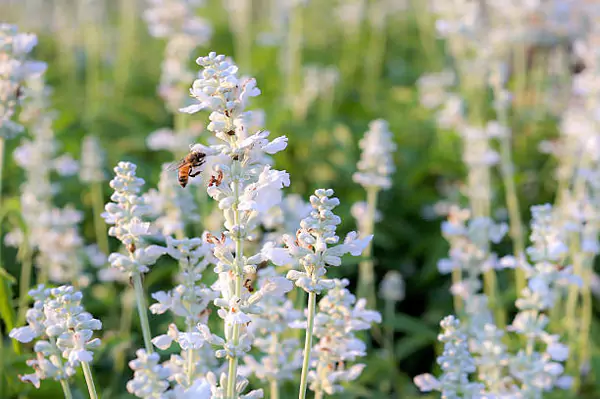
These tall blossoms belong to one of the five main types of lavender that gardeners grow. White lavenders are similar to purple ones in appearance and potent aroma. The stems can grow up to 20-24 inches tall and cluster together into 24-30 inch wide groups. Midsummer until late April is the period for lavender to blossom.
| Scientifically Called: | Lavandula Angustifolia |
| Plant Type: | Perennial |
| Hardy Zones (USDA): | 5-9 |
| Sun Exposure: | Full sun |
| Water Requirements: | When the top one inch of soil is dry |
| Blooming Period: | Summer |
Gerbera Daisy
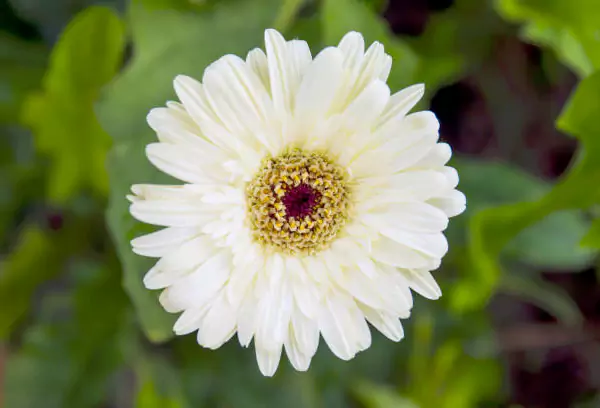
Although this perennial flower grows in a variety of colors, pink and white are currently the most in-demand. These amazing plants have a bush-like structure and grow up to half a foot tall. Fertilize the plant often and trim off faded flowers to guarantee continual flowering.
| Scientifically Called: | Gerbera |
| Plant Type: | Perennial |
| Hardy Zones (USDA): | 8-10 |
| Sun Exposure: | Full sun to partial shade |
| Water Requirements: | Once a week in summer, once in 2 weeks during winter. |
| Blooming Period: | Late spring to late fall |
Alfresco Amaryllis
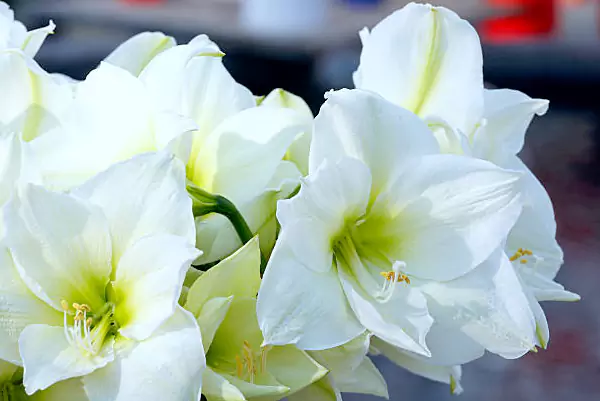
This variety of amaryllis is a stunning, full plant with five to eight bulbs per stem. Usually reaching a height of twelve to eighteen inches, the plant bears flowers for several weeks or months. Amaryllis are hardy perennial flowers that can survive for up to 75 years if provided with the right nutrition and humidity. They require little upkeep and grow well in clay, sandy, and loam soils.
| Scientifically Called: | Hippeastrum |
| Plant Type: | Perennial |
| Hardy Zones (USDA): | 8-10 |
| Sun Exposure: | Full sun to partial shade |
| Water Requirements: | When the top one inch of soil is dry |
| Blooming Period: | Late winter to mid-spring |
White City Spanish Bluebells
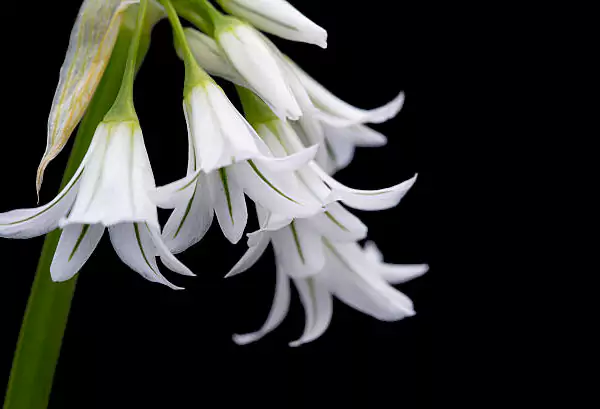
White City Spanish bluebells are lovely flowers that have graceful, grass-like foliage. With their long leaves and slender stems topped with little groupings of white flowers, they are between twelve and fifteen inches tall. Any kind of soil will do for this plant as long as it is well-drained. The flowers usually bloom in the middle to late spring and can be grown indoors, in pots, and in gardens.
| Scientifically Called: | Hyacinthoides Hispanica |
| Plant Type: | Perennial |
| Hardy Zones (USDA): | 3-8 |
| Sun Exposure: | Partial Shade to Full Shade |
| Water Requirements: | Water when the top one inch is dry. |
| Blooming Period: | Mid to late spring |
Every plant requires sunlight, water, and a bit of love to grow into a blooming adult. Ensure that they receive sufficient nutrients and scheduled watering, especially during the days of dry spells.
Elegant Little White Flowers to Adorn Specific Seasons
Some blossoms are known to be planted only in certain seasons. These plants can be both perennial and annual, tall or short, bulbous or clustered. Here are some classy white flower plants categorized by planting season:
| S. No. | Name | Image |
| For Spring | ||
| 1. | Lily-flowered Tulip(Tulipa ‘White Triumphator’) Perennial plant Hardy Zones 3-8 Prefers full sun Water when the top one inch is dry. Blooms in late spring | 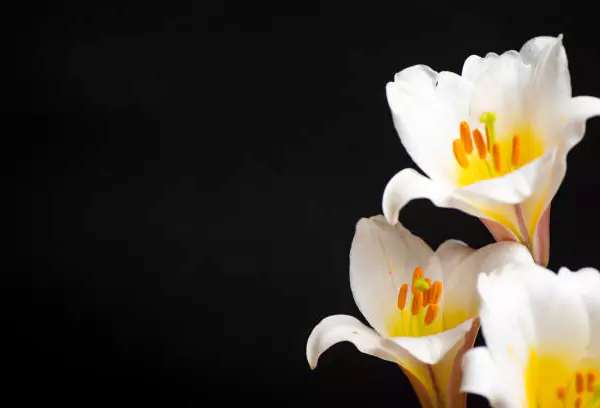 |
| 2. | Forget-me-not(Myosotis sylvatica ‘Snowsylva’) Perennial plant Hardy Zones 3-8 Prefers full to partial sun Water when the top one inch is dry. Blooms from mid-spring to mid-summer |  |
| 3. | Sea Kale(Crambe maritima) Perennial plant Hardy Zones 7-9 Prefers full to partial sun Water when the top one inch is dry. Blooms in early summer | 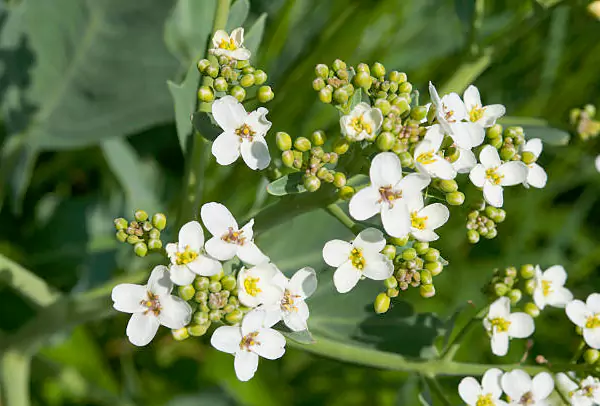 |
| 4. | Dame’s Rocket(Hesperis matronalis var. albiflora) Biennial/Perennial plant Hardy Zones 4-9 Prefers full sun Water when the top one inch is dry. Blooms from spring to summer | 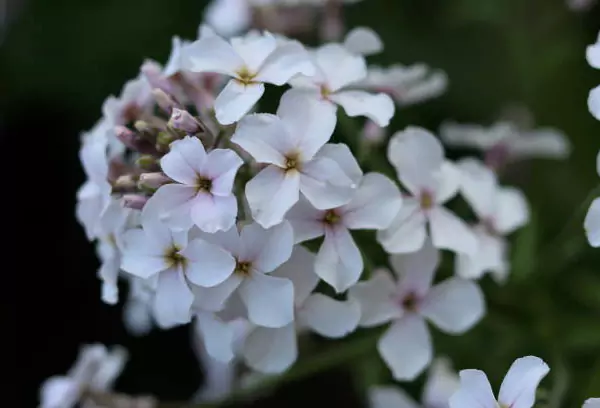 |
| 5. | Fosteriana Tulip(Tulipa ‘Purissima’) Perennial plant Hardy Zones 3-7 Prefers full to partial sun Water when the top one inch is dry. Blooms in early to mid-spring |  |
| For Early Summer | ||
| 6. | Venus’s Navelwort(Omphalodes linifolia) Perennial plant Hardy Zones 1-12 Prefers full sun Water when the top two inches are dry. Blooms from spring to summer | 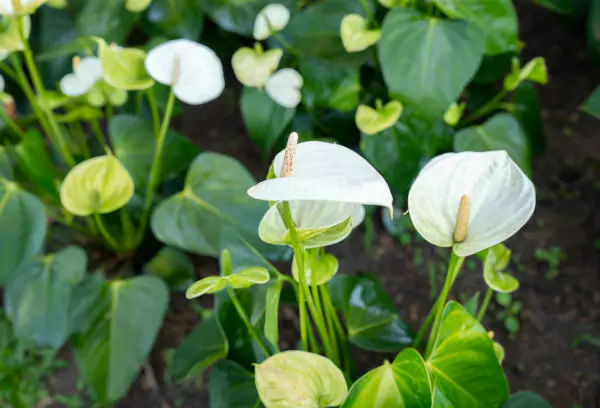 |
| 7. | Foxtail Lillies(Eremurus ‘Joanna’) Perennial plant Hardy Zones 7-10 Prefers full to partial sun Water when the top one inch is dry. Blooms in summer | 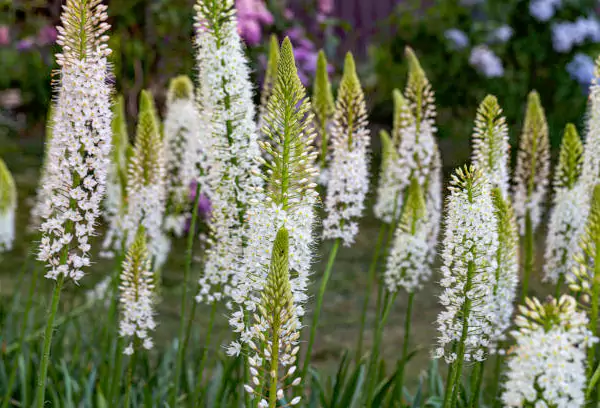 |
| 8. | Love-in-a-Mist(Nigella damascena ‘Miss Jekyll Alba’) Annual plant Hardy Zones 2-10 Prefers full sun Water when the top one inch is dry. Blooms in summer | 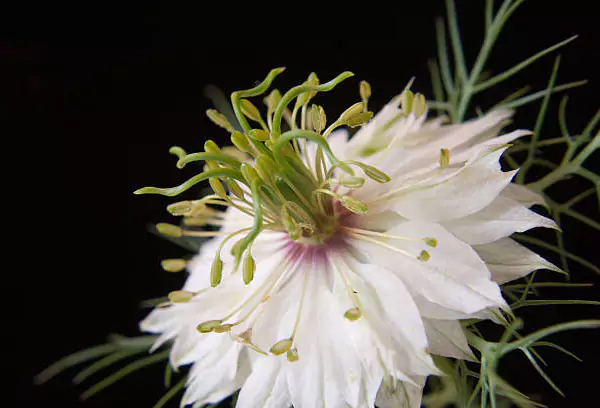 |
| 9. | Ragged Robin(Lychnis flos-cuculi var. albiflora) Perennial plant Hardy Zones 3-9 Prefers full to partial sun Water when the top one inch is dry. Blooms from spring to summer | 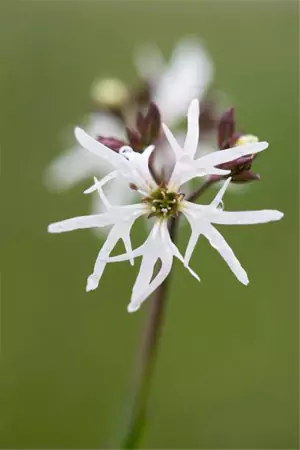 |
| 10. | White Tree Lupin(Lupinus arboreus ‘Snow Queen’) Perennial plant Hardy Zones 8-10 Prefers full to partial sun Water when the top one inch is dry. Blooms from late spring to summer | 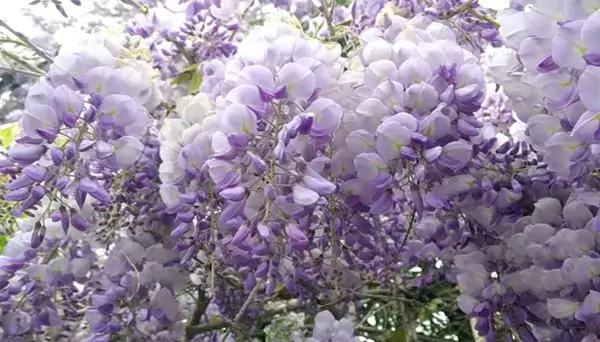 |
| 11. | White Laceflower(Orlaya grandiflora) Annual plant Hardy Zones 3-8 Prefers full sun Water when the top two inches are dry. Blooms summer till frost | 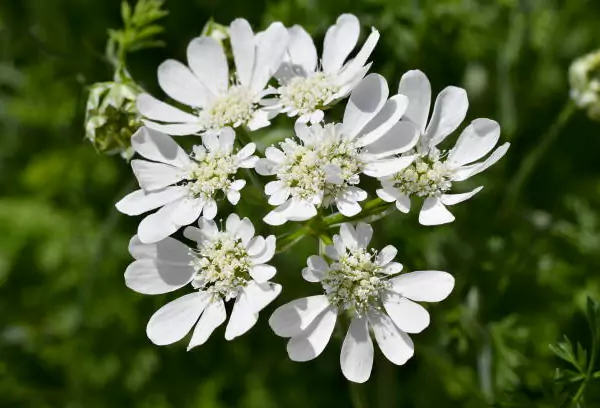 |
| For High Summer | ||
| 12. | White Checkerbloom(Sidalcea candida) Perennial plant Hardy Zones 5-9 Prefers full to partial sun Water when the top one inch is dry. Blooms in late summer | 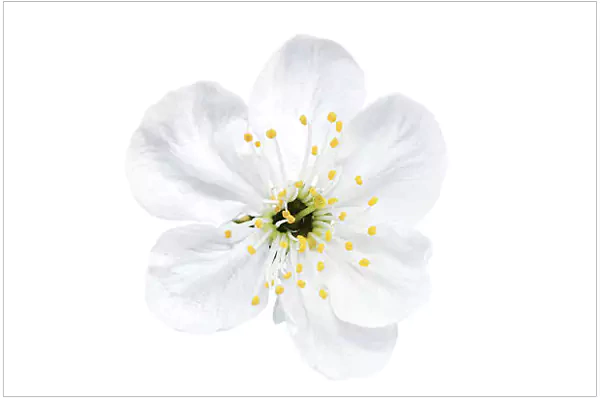 |
| 13. | White Borage(Borago officinalis ‘Alba’) Annual plant Hardy Zones 6-9 Prefers full to partial sun Water when the top one inch is dry. Blooms in summer | 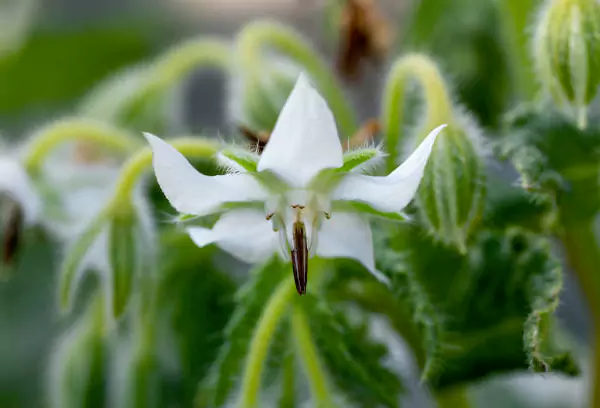 |
| 14. | False Bishop’s Weed(Ammi majus) Annual plant Hardy Zones 3-9 Prefers full to partial sun Water when the top one inch is dry. Blooms in summer | 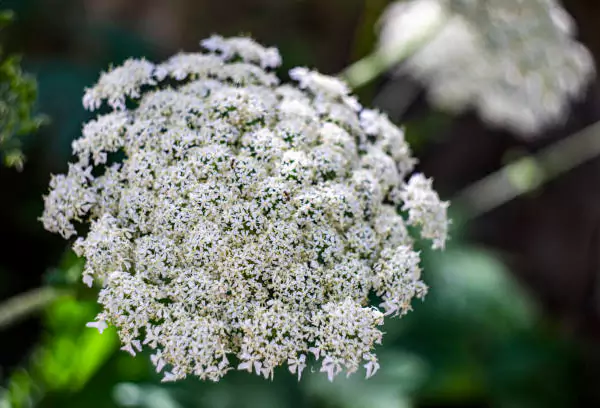 |
| 15. | Tall Eryngo ‘Silver Ghost’(Eryngium giganteum ‘Silver Ghost’) Biennial plant Hardy Zones 5-9 Prefers full sun Water when the top one inch is dry. Blooms in late summer |  |
| 16. | Rosebay Willowherb(Chamaenerion angustifolium ‘Album’) Perennial plant Hardy Zones 3-7 Prefers full to partial shade Water when the top two inches are dry. Blooms from summer to fall | 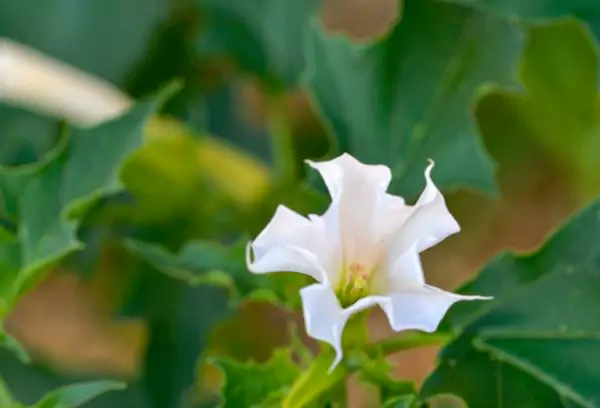 |
| 17. | Lime Twist(Clematis ‘Alba Luxurians’) Perennial plant Hardy Zones 3-8 Prefers full to partial sun Water when the top one inch is dry. Blooms in summer | 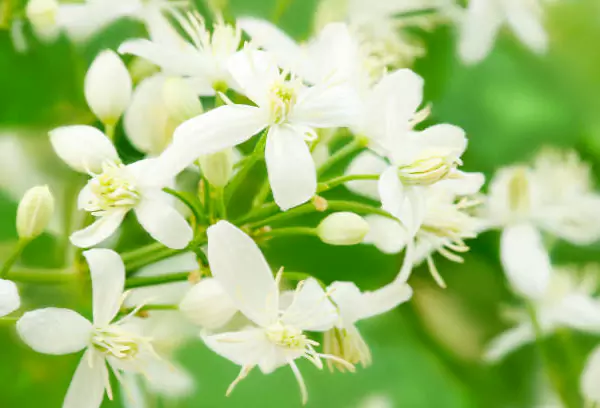 |
| 18. | Chinese Meadow Rue(Thalictrum delavayi ‘Album’) Perennial plant Hardy Zones 6-9 Prefers partial shade Water when the top one inch is dry. Blooms in late summer | 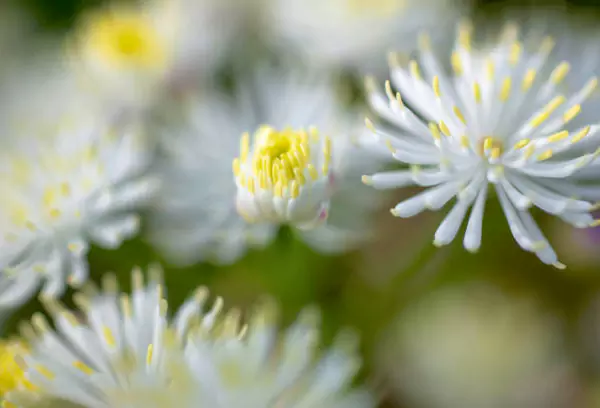 |
| For Late Summer | ||
| 19. | Skirret(Sium sisarum) Perennial plant Hardy Zones 4-9 Prefers full sun Water when the top two inches are dry. Blooms from summer to fall | 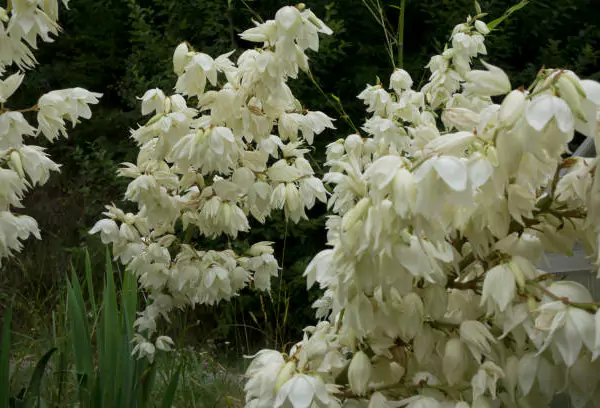 |
| 20. | Culver’s Root(Veronicastrum virginicum) Perennial plant Hardy Zones 3-8 Prefers full to partial sun Water when the top one inch is dry. Blooms from summer to fall | 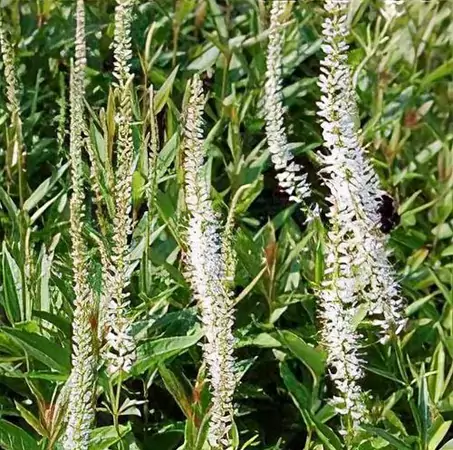 |
| 21. | Bushviolet(Browallia americana f. alba) Perennial plant Hardy Zones 9-10 Prefers full to partial sun Water when the top one inch is dry. Blooms in summer | 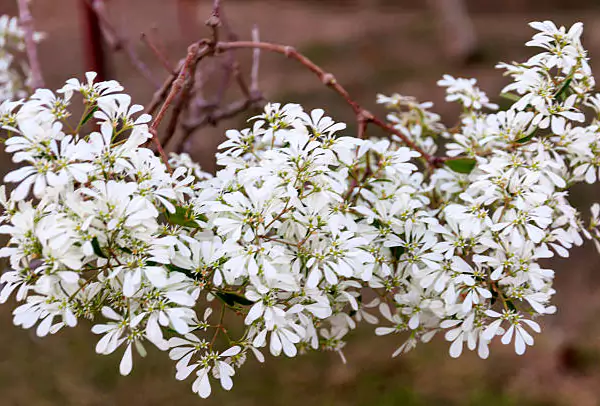 |
| 22. | Spider Flower(Cleome hassleriana ‘Helen Campbell’) Annual plant Hardy Zones 10-11 Prefers full sun Water when the top two inches are dry. Blooms in summer | 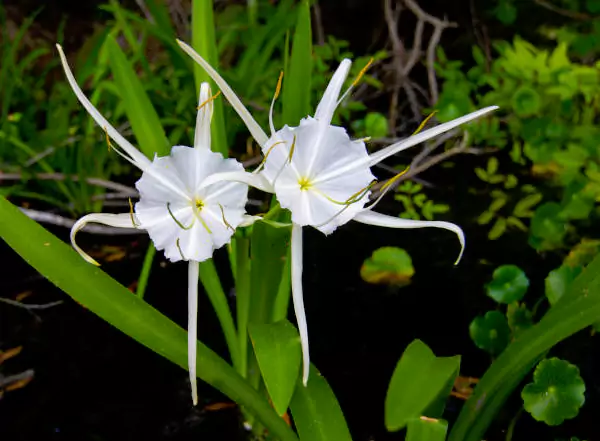 |
| 23. | White Potato Vine(Solanum laxum ‘Album’) Perennial plant Hardy Zones 8-10 Prefers full to partial sun Water when the top one inch is dry. Blooms in late summer | 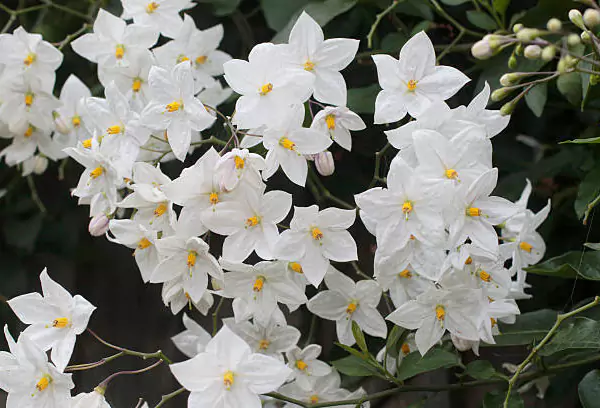 |
| 24. | Daisy Fleabane(Erigeron annuus) Annual plant Hardy Zones 3-9 Prefers full to partial sun Water when the top one inch is dry. Blooms from summer to fall | 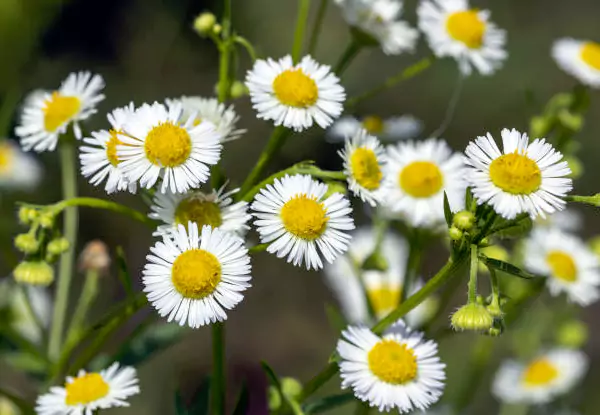 |
| 25. | Everlasting Pea ‘White Pearl’(Lathyrus latifolius ‘White Pearl’) Perennial plant Hardy Zones 3-9 Prefers full to partial sun Water when the top one inch is dry. Blooms from summer to fall | 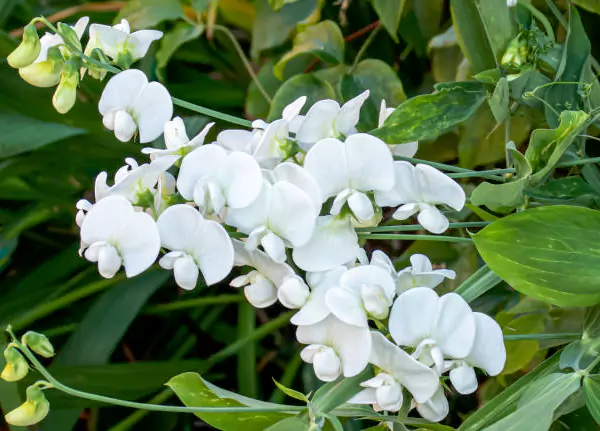 |
| 26. | Panicle Hydrangea(Hydrangea paniculata) Perennial plant Hardy Zones 3-8 Prefers full to partial sun Water when the top one inch is dry. Blooms from summer to fall | 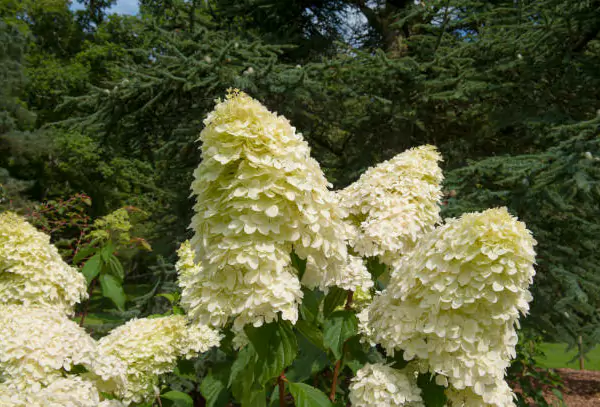 |
Some Extra Rare White Color Flowers Names
Last, but not the least, some pretty white blossoms are hard to find, given their environmental requirements. Stroll through these exotic flower buds below:
| S. No. | Name | Image |
| 1 | Angel’s Trumpet ‘Culebra’ (Brugmansia x candida ‘Culebra’) Perennial plant Hardy Zones 3-8 Prefers full to partial sun Blooms from summer to fall | 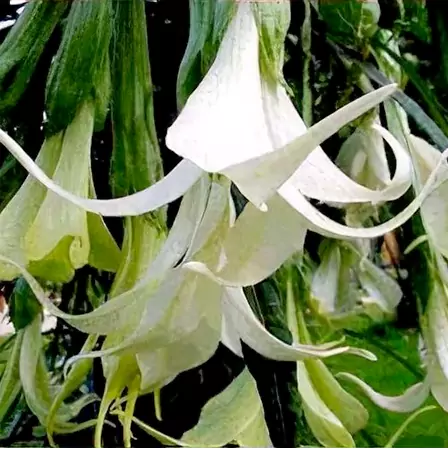 |
| 2 | Canada Anemone (Anemone canadensis) Perennial plant Hardy Zones 3-9 Prefers full to partial sun Blooms from summer to fall | 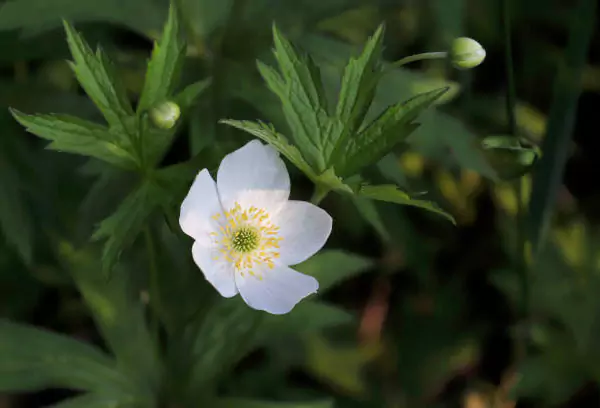 |
| 3 | Candytuft ‘Snowflake’ (Iberis sempervirens ‘Snowflake’) Perennial plant Hardy Zones 6-9 Prefers full sun Blooms in summer | 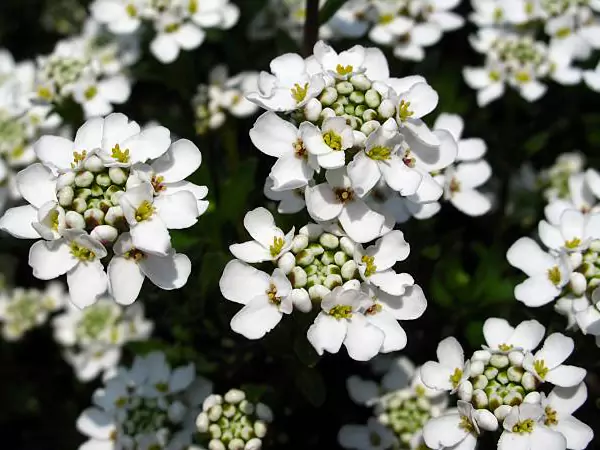 |
| 4 | Clematis (Clematis montana) Perennial plant Hardy Zones 5-9 Prefers full to partial sun Blooms in summer | 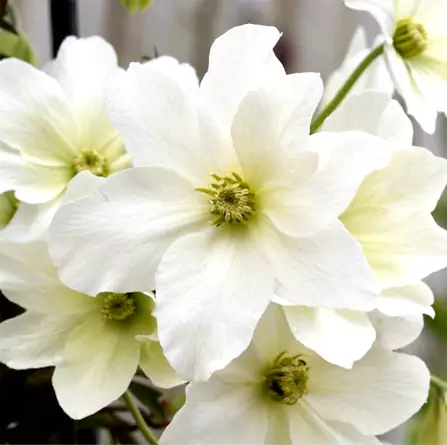 |
| 5 | Cosmea ‘Sonata White’ (Cosmos bipinnatus ‘Sonata White’) Annual plant Hardy Zones 3-9 Prefers full sun Blooms in summer | 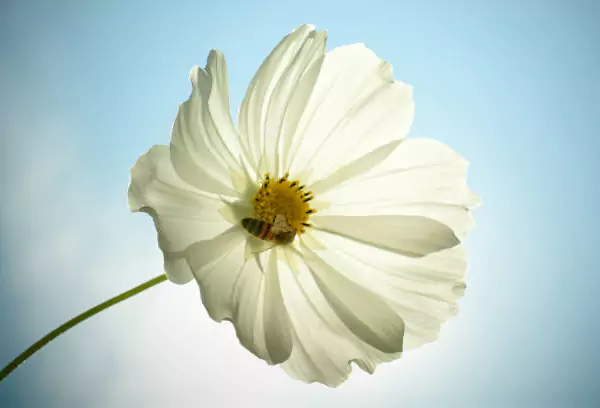 |
| 6 | Delaware Valley White Azalea (Rhododendron ‘Delaware Valley White’) Perennial plant Hardy Zones 6-8 Prefers full to partial sun Blooms in spring | 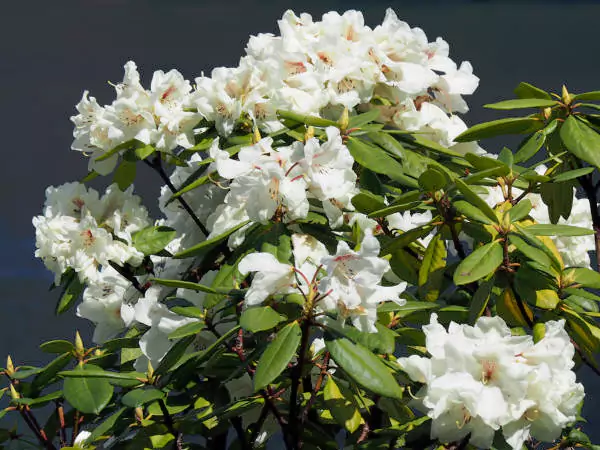 |
| 7 | Gayfeather ‘Floristan Weiss’ (Liatris spicata ‘Floristan Weiss’) Perennial plant Hardy Zones 3-10 Prefers full sun Blooms from summer to fall | 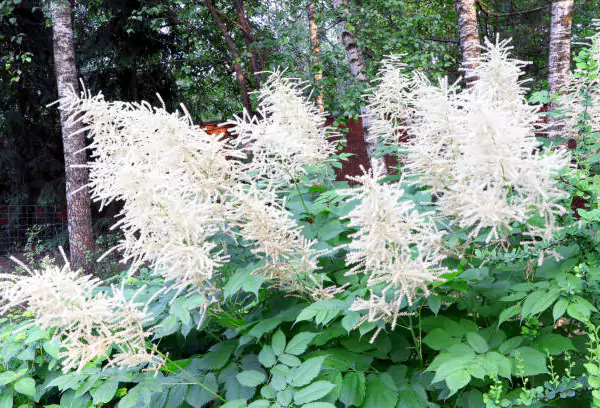 |
| 8 | Gooseneck Loosestrife (Lysimachia clethroides) Perennial plant Hardy Zones 6-9 Prefers full to partial sun Blooms in summer | 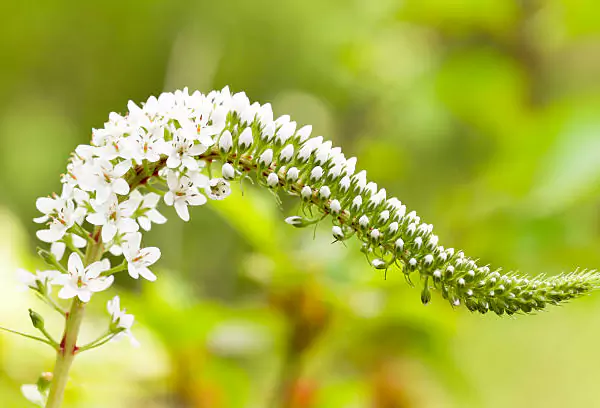 |
| 9 | Heliotrope (Heliotropium arborescens) Annual plant Hardy Zones 10-11 Prefers full to partial sun Blooms in summer | 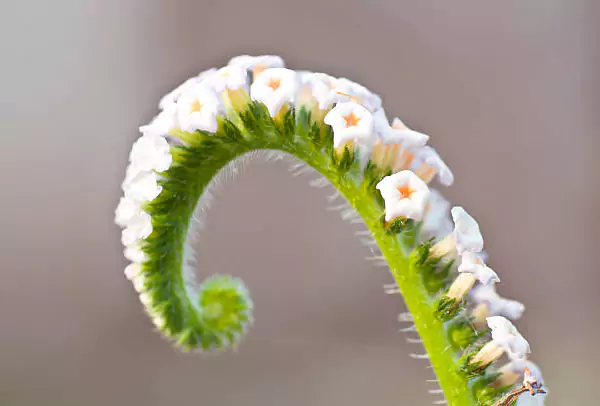 |
| 10 | Lily (Lilium candidum) Perennial plant Hardy Zones 5-9 Prefers full sun Blooms in summer | 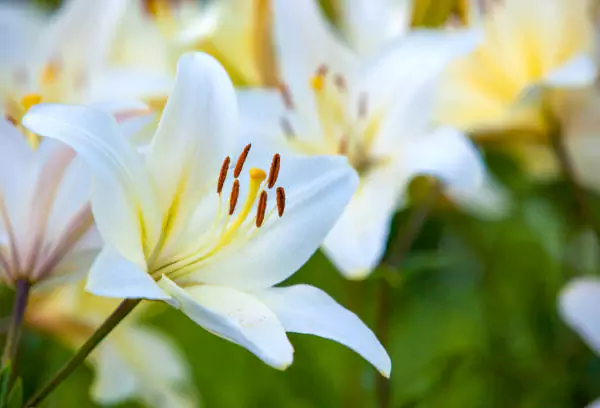 |
| 11 | Magnolia Flower (Magnolia grandiflora) Perennial plant Hardy Zones 3-8 Prefers full to partial sun Blooms from summer to fall | 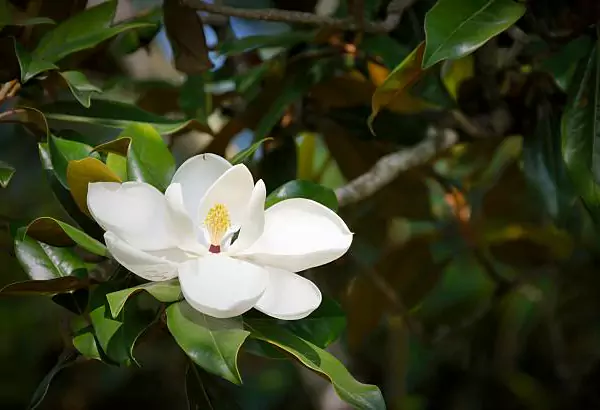 |
| 12 | Mock Orange (Philadelphus coronarius) Perennial plant Hardy Zones 5-10 Prefers full to partial sun Blooms from late spring to early summer |  |
| 13 | Nicotiana (Nicotiana sylvestris) Biennial plant Hardy Zones 9-11 Prefers full to partial sun Blooms from summer to fall | 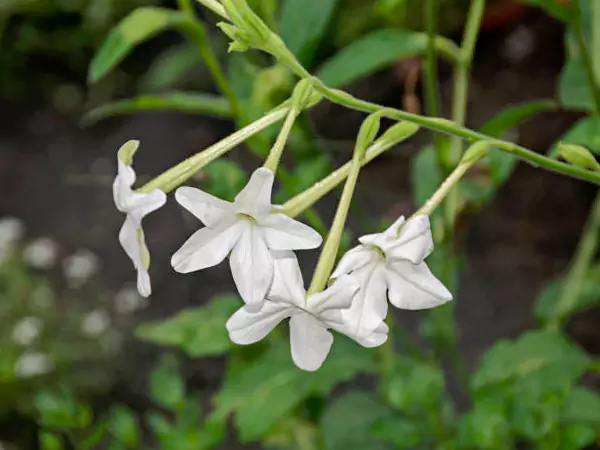 |
| 14 | Periwinkle (Vinca major ‘Alba’) Perennial plant Hardy Zones 4-9 Prefers full sun to full shade Blooms from mid-spring to fall | 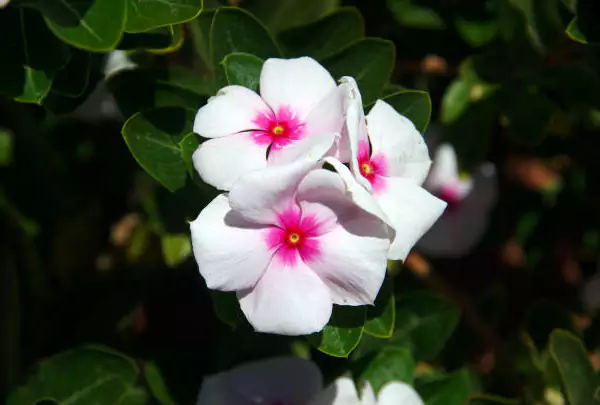 |
| 15 | Phlox (Phlox paniculata) Perennial plant Hardy Zones 4-8 Prefers full to partial sun Blooms from summer to fall | 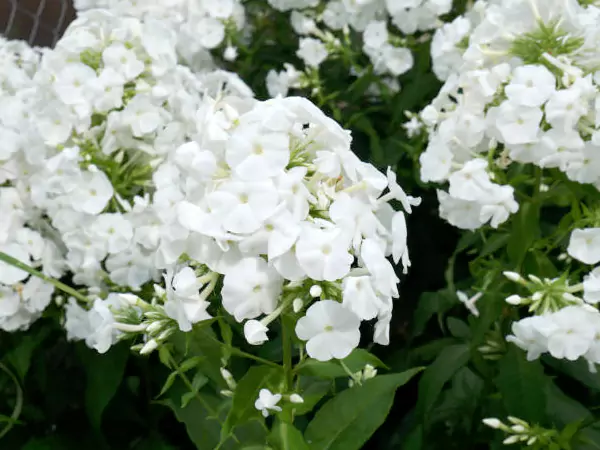 |
| 16 | Profusion Salvia (Buddleja davidii ‘White Profusion’) Annual plant Hardy Zones 6-9 Prefers full to partial sun Blooms from summer to fall | 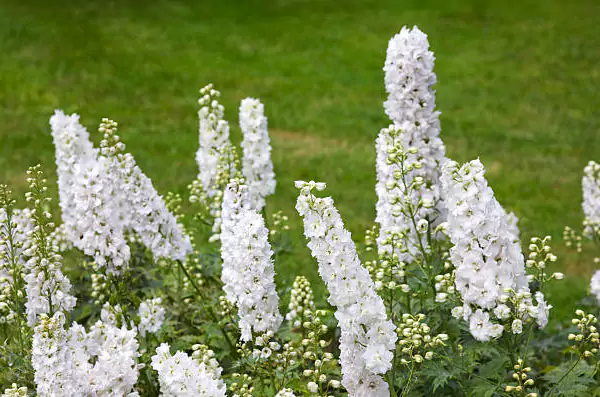 |
| 17 | Sweet Alyssum ‘Snowdrift’ (Lobularia maritima ‘Snowdrift’) Annual plant Hardy Zones 5-10 Prefers full to partial sun Blooms in summer | 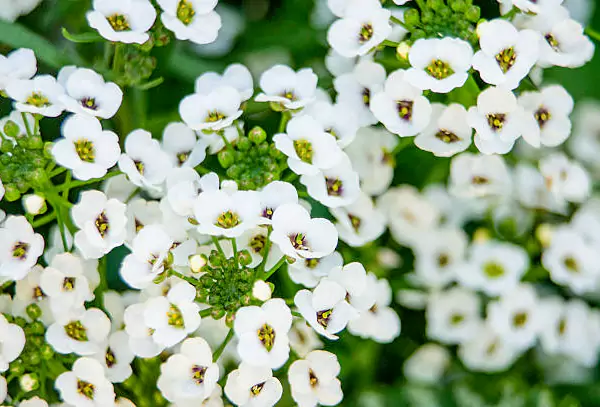 |
| 18 | Virginia Sweetspire (Itea virginica ‘Little Henry’) Perennial plant Hardy Zones 7-9 Prefers full to partial sun Blooms from summer to fall | 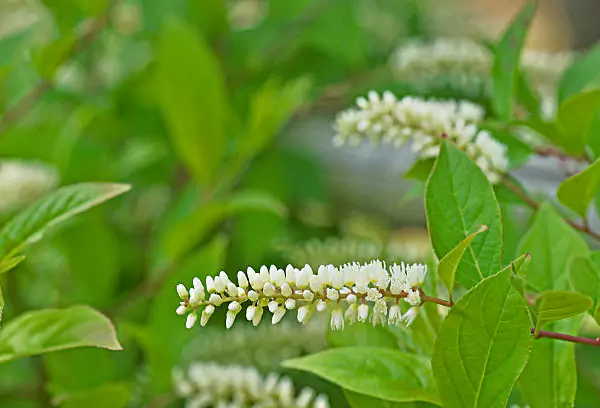 |
White flowers are sure to spread an angelic aura throughout your garden, bringing positivity into your life. Every plant has a different structure and requirements. Before you buy any cutting or seeds, always ask the provider for detailed information and see whether it can thrive in your region.
Renew Your Garden With Beautiful White Hues!
Flower with white color is undoubtedly the most divine pair for any flower arrangement. All white flower types have a unique spiritual meaning, as they represent the epitome of purity and innocence.
Growing such beautiful blossoms would, without a doubt, spread positive energy throughout your home. Take into account all the tips mentioned in this guide and turn your garden into a holy paradise.
White Flowers by the National Park Service
Lotus Flower Meaning: Symbolism, Colors & Spirituality
[…] has become free from all the sufferings and is starting the journey towards enlightenment. However, white flowers have always signified peace and […]
27 Flowers That Start With N: Names, Types & Care Guide
[…] commonly called Daffodils or Paperwhites, is a versatile white flower that is mostly appreciated for its sweet scent and pearl-white, dreamy appearance. It is one of the […]
Flowers That Start With Z: 15 Unique Z Flowers & Care Guide
[…] a part of the Narcissus genus, which is known as the December birth flower. Featuring star-shaped white flowers with a sweet fragrance, the paperwhite narcissus is a very popular bloom used in bouquets and for […]
A Flower Wall: Meaning, Types, Uses & DIY Guide
[…] White flowers are a symbol of purity and new beginnings, and hence are perfect for any family event. […]
Ice Plant - Benefits, Care & Tips to Grow
[…] and colorful, this variety showcases a range of hues, including purple, pink, and white flowers, ideal for smaller spaces or containers. This hardy plant thrives in full sun and well-drained […]
50 Best Terrarium Plants - Benefits, Tips to Choose & Care
[…] particular plant has tiny, delicately scented pink-white flowers. The compact growth and low water requirements make it a fantastic choice for terrarium plants. […]
Best Pet Safe Houseplants for Dogs and Cats
[…] tall and 36 inches wide. The plant has solid green or variegated leaves and also produces small white flowers. It is non-toxic to both cats and dogs, mainly because they lack harmful compounds such as calcium […]
Foxtail Fern - Symbolism, Varieties & Home Care Tips
[…] species, the plant is also called Foxtail Fern or Cat’s Tail Asparagus. It bears tiny white flowers during the fall, is an easy-to-grow plant, and is mostly used for ground cover in large […]
Sweet Pea Flowers - Origin, Types, Tips to Care & Grow
[…] Pea flowers tend to symbolize a variety of emotions. The white flowers represent peace and gratitude, while the pastel pink ones convey happiness and […]
Louisiana State Flower: Magnolia Facts, Meaning & History
[…] large, creamy white flowers and dark green foliage symbolize purity, innocence, resilience, and grace. Widely grown across the […]
Rare Houseplants: 10 Unique Indoor Plants Worth Collecting
[…] for USDA hardiness zones 7-10, the species blooms from spring to early summer, features tiny white flowers, and can live for 20 years or more. It is non-toxic to humans, cats, and dogs. The plant thrives in […]
Flowers That Start With X: Rare X Flowers List & Guide
[…] is a rare flower that is usually not planted in a home garden. It generally features small white flowers with a purple-blue center and is known as one of the best blooms for attracting beneficial […]
12 Gorgeous Flowers That Start With G You Should Know
[…] is a popular evergreen shrub with creamy white flowers and glossy, dark green leaves that make a stunning contrast and can easily transform any garden […]
Trees With Pink Flowers: Tips to Plant, Care & Grow
[…] The flowers of this pink tree are its most lauded feature. Crabapple is a popular choice among botanists and garden enthusiasts due to its unique appearance. It also has a fruitless species that blooms white flowers. […]
Water Plants for Indoor Garden: Benefits, Growing & Care Guide
[…] lilies are the best fit to add a fragrant touch to your living space, as they produce white flowers that resemble a calla […]
White Tulips: Meaning, Symbolism & Care Guide
[…] Tulipa Calgary features ivory-white flowers. […]
Air Plants - Types, Requirements, Tips to Plant & Care
[…] amount of effort to transform into the biggest size. In its blooming phase, it grows stunning white flowers and gains a height and width of 16 inches each under bright indirect […]
False Aralia Plant - Requirements, Tips to Plant, Care & Grow
[…] False Aralia produces small, inconspicuous white flowers during […]
October Birth Flower: Marigold, Cosmos Symbolism & Care
[…] represent different emotions. A red cosmos is often gifted to portray love and passion, while the white flowers symbolize faithfulness and […]
Blue Orchids Flower - Does it Really Exist? (Tips to Find)
[…] shocking is that these dyed flowers are usually sold at twice the price of the original white flowers. Thus, it is best not to buy such plants and fall for their marketing […]
Hawaiian Flowers: Top 20 Varieties, State Flower & Meanings
[…] is a symbol of luck, prosperity, and abundance. Not only is it easy to grow, but the aromatic white flowers also attract essential […]
Seasonal Flowers: Best Flowers by Season & Guide (2026)
[…] Snowdrop features small drooping bell-shaped white flowers. […]
10 Types of Jasmine Flower in 2025 - Benefits, Fragrance & Care Tips
[…] Winter jasmine is a plant that grows into bushes that are approximately 4 feet wide and 7 feet tall. Winter jasmine has vivid yellow flowers, in contrast to other jasmine plants that typically have white flowers. […]
How to Grow Cilantro: Guide, Planting, Harvesting & Care Tips
[…] extremely hot weather, the plant will bolt. That means it will produce white flowers that will be followed by small […]
White Roses Meaning - Types, Symbol & History
[…] these white flowers symbolize purity, innocence, and new beginnings. They are often associated with weddings, […]
Rose Flowers Guide: Types, Care, Meaning & Growing Tips
[…] Rambling Rector Rose is known for its vigorous growth rate and creamy white flowers. […]
10 Best Flowers to Plant in June for Summer Color (2026)
[…] is a true daisy variety from the aster family featuring white petals and a yellow center. These white flowers bloom till early fall and are a symbol of purity and innocence, which is true for all white […]
Vinca Flower - Origin, Types, and Gardening Tips
[…] of green foliage against vivid blooms. Whether you choose pink flowers, the bold red flowers, white flowers, or the purple and magenta ones, they offer a distinct pop in your boring […]
Wedding Flowers by Season: Best Blooms for Weddings
[…] available in various colors, the white flowers go a long way with their soft minimalism. The average price of the calla lily flowers ranges up to […]
Cactus Flowers: Types, Meaning & Care Guide
[…] unique traits and multi-stemmed columnar shape. It also has many subspecies, and its large, showy white flower is often admired for its beauty. The bloom also has a mildly sweet fragrance that helps the […]
Chrysanthemum Meaning in Different Countries & Colors
[…] chrysanthemums are a symbol of purity and innocence like all the white flowers. However, in Belgium these flowers are associated with grief and […]
Flower Colors and Their Meanings: A Complete Guide
[…] Read the full guide to White Flowers. […]
Flowers That Start With V: 15 Beautiful Types & Guide
[…] these flowers require full sun to partial shade to grow their pink and white flowers, which are symbolic of the idea of love and […]
Magnolia Flower Meaning: Symbolism, History and Uses
[…] flowers are associated with the ideas of purity, nobility, and feminine grace. Due to their white flowers, they are believed to be used as a symbol of purity. In ancient China, magnolias were grown in […]
Idaho State Flower: The Syringa's Meaning & History
[…] state flower of Idaho may look like a simple white flower, but as I explored more about the genus, it has some astonishing facts that make it even more […]
Carnation Flower Meaning: Colors & Symbolism
[…] France, carnation flowers are only gifted at funerals. White flowers signify remembrance. People often take them to their mothers’ graves on Mother’s […]
White Flowers Meaning: 15 Types, Meanings & Symbolism
[…] White flowers mean elegance, peace, innocence, and new beginnings. I always feel that they are easy to go with. Whether you wish to put together a simple centerpiece or want to gift these to someone you adore, you can never go wrong with white flowers. […]
Clematis Vine - Types, Features, Benefits & Tips to Grow
[…] flowers: It features massive, showy blooms in various colours, including yellow flowers, white flowers, and vine red flowers. A single vine can produce up to hundreds of flowers, varying from small […]
Planting Celosia: How to Plant, Grow & Care for Celosia
[…] parts of Africa. This is an erect, annual herb that grows well during the rainy season. Its tiny white flowers are used across African regions to treat chest and cardiac pain, mouth ulcers, intestinal worms, […]
What Do White Lilies Represent? Meaning & Symbolism
[…] have always wondered what white lilies represent. When I think of floral decoration, these calming and elegant white flowers come to mind […]