Healthy gardening always starts with healthy soil and seasonal garden care, and that’s exactly why I rely on compost for raised garden bed success. When I first built my raised beds, I thought filling them with regular soil would be enough until I noticed them struggling.
Raised beds dry out quickly and lose nutrients faster than ground soil. I learned this the hard way, but you don’t have to! If you are just starting out, don’t overthink it. Simply mix a few inches of compost into your raised bed and watch the magic happen.
Small changes today can lead to healthier harvests tomorrow!
Compost for Raised Garden Bed—What are the Different Types?
When I started working on my raised garden beds, I quickly realized that not all compost mixes are the same. Some are used to feed the
and provide nutrition to the new growth, while others are used to improve texture and provide structure to the plants.
Choosing the right compost for raised garden bed setups helped me grow healthier and more productive plants with less effort and fewer soil problems.
Here is a complete breakdown of some of the best compost for raised garden beds that I consider while preparing or refreshing my plant containers.
Homemade Garden Compost
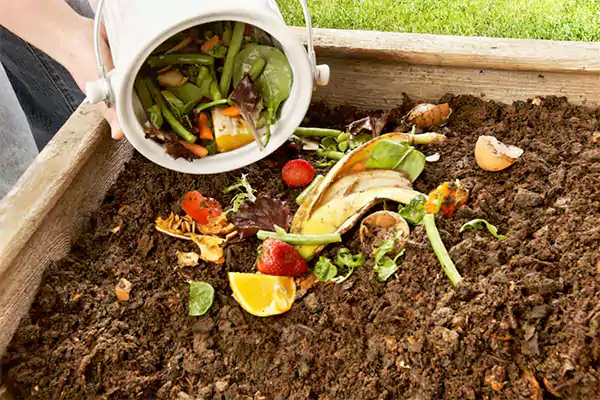
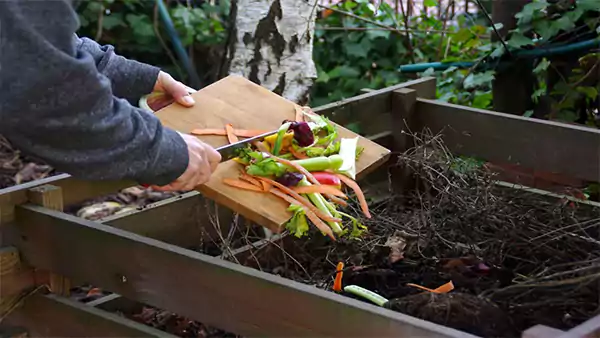
This is a classic compost for a raised garden bed that I usually make from kitchen scraps, dry leaves, grass clippings, and garden waste. It often smells earthy and is dark and crumbly.
Best for daily use and to improve the overall soil health. It balances the nutrients and enhances the soil structure using plant microbes. If it comes to using only one compost, this definitely would be the one because of its reliable and budget-friendly nature.
Vermicompost (Worm Castings)
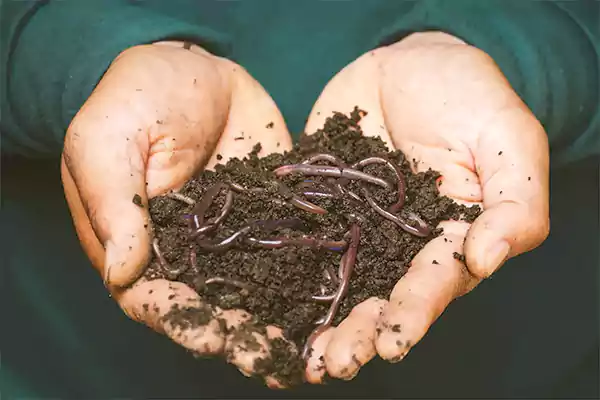
Made using earthworms like the red wiggler, this compost is super rich and highly concentrated. It almost looks similar to fine black tea powder; hence, it is also called “Black Gold” for plants.
Just like me, if you are also planning to start with heavy-cropping plants like pumpkin, this worm-casting compost might be an ideal option. Packed with beneficial microbes, this supports root growth while enhancing germination.
Leaf Mold Compost
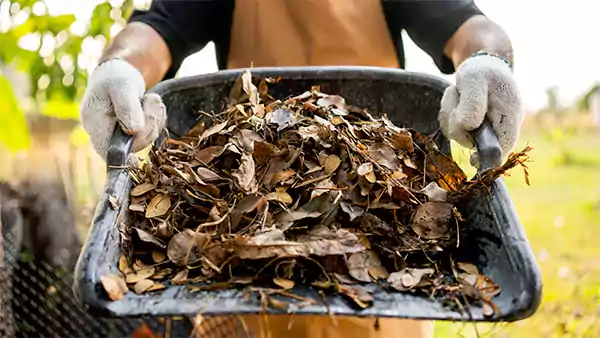
The leaf mold compost is yet another natural soil conditioner made using the fallen leaves. It not only nourishes the garden bed mixture but also boosts water retention and soil aeration. The dry deciduous leaves are allowed to decompose for a longer period, typically for 6-24 months.
During my research, I learned that the leaf mold compost balances the pH level of the soil and helps in creating a thriving environment for beneficial microbes in the garden bed mixture.
Manure-Based Compost
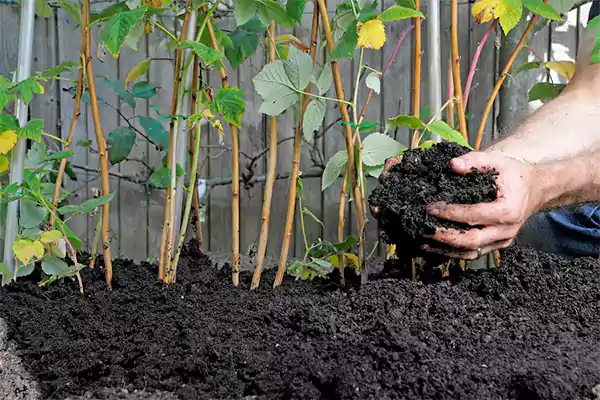
A manure-based compost is an excellent nutrient-rich soil mix that enhances the overall development of plants and gives a boost of nitrogen, phosphorus, and potassium. I mainly used this type for blooms susceptible to weeds or pests.
Fresh manure tends to burn plants; hence, it is essential to use the one that is properly composted for 2-6 months. Combine it with the top 2-3 inches of soil, and you are ready to go.
Spent Mushroom Compost
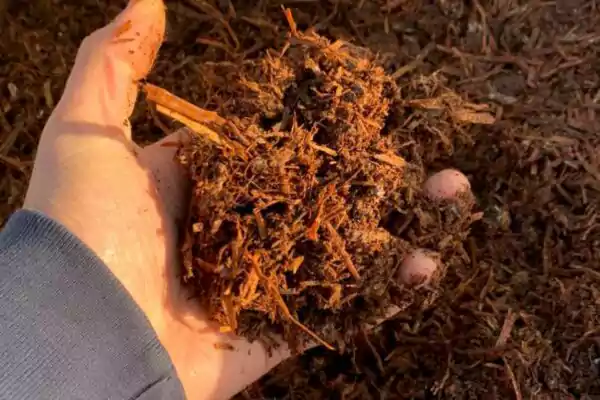
Primarily composed of straw, horse manure, poultry litter, and gypsum (calcium sulfate), the spent mushroom compost is nothing but the leftover layer of soil chemicals after mushroom cultivation. This is an extremely effective and affordable method to enrich the garden beds with essential nutrients.
I often use this as a mulch to suppress the weeds and protect my ornamental plants from pest infestation. If you are planning to grow acid-loving plants, the spent mushroom compost might not be the right choice, as it is slightly alkaline in nature.
How to Use Compost for Raised Garden Beds?
You know that using organic compost can be oh-so beneficial for the plants, but do you know the right way to use it? I usually add 30%-50% of the compost for raised garden beds with the soil mix to make the base more nutrient-rich for the plants.
Here’s how to use compost for your garden beds in different stages:
| Filling a New Raised Bed |
|
| Upgrading Existing Garden Bed |
|
| During Planting |
|
Note that using pure compost can be harsh for the plant and can damage the root structure of the species. It holds too much water and can kill the genus.
Furthermore, ensure that the power chemical for the raised garden bed is properly broken down and aged, as freshly made compost can suck nitrogen from the soil.
How to Prepare Compost for a Raised Garden Bed?
Preparing compost involves either making your own from raw organic materials or correctly amending it with the existing soil mix. Below are some key points that you can keep in mind if you are planning to prepare compost for raised garden beds.
- Use a 2:1 or 3:1 compost mixture. Add browns like leaves, straws, plant debris, and rotten scraps of wooden logs, and greens like kitchen waste. Do not add meat, bones, or dairy waste, as these can cause pests and foul smells.

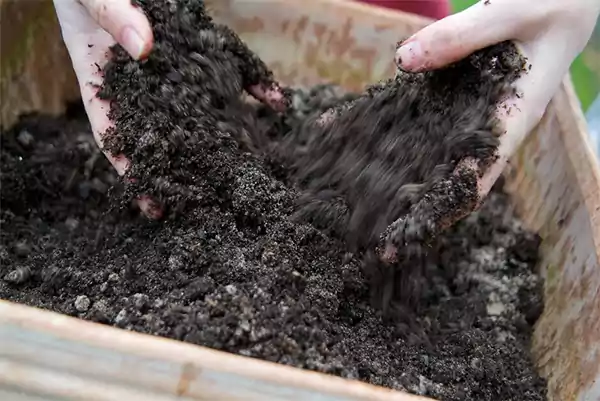
- Breaking up tough stalks or cardboard helps them decompose faster. Avoid adding dog or cat faeces, as they carry harmful pathogens. Mixing equal parts of topsoil, sand, and prepared compost works best for the plant, especially the new seedlings.

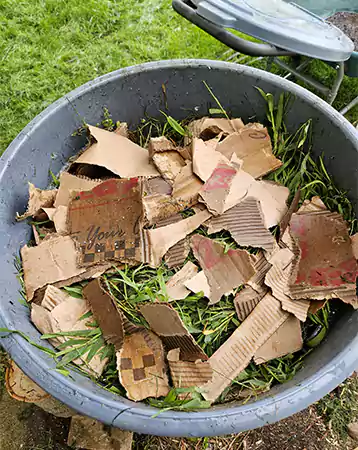
- Ensure that you allow enough time for the compost to properly mature. Only use the plant food that is dark, crumbly, and smells like earthy soil, and keep the pile damp but not dripping.

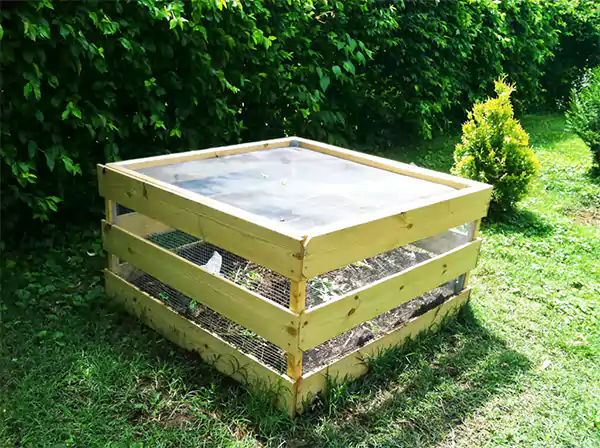
Depending on the climatic conditions and the timeframe you allow, the compost should be ready in 3-6 months or within a year if you are staying in colder regions. Turn the pile using gardening tools like a fork or tiller to provide proper oxygen, which accelerates the whole decomposition process.
Benefits of Using Compost in a Raised Garden Bed
When I started gardening in raised beds, I thought soil alone would be enough. But over time, I noticed weaker plants, dry soil texture, and stunted growth, and that’s when I started adding compost. The difference was almost magical.
Here are some benefits of using compost in a raised garden bed that I personally noticed.
- Improves Soil Structure: One thing that I quickly noticed is how compost transforms hard, lifeless soil into soft, crumbly earth. It improves the airflow underground so that the roots can spread and develop easily.
This also facilitates easier planting and digging. My raised beds now feel fluffy and workable instead of dense and sticky.
- Adds Natural Nutrients: If the base of your garden is nutrient-rich, it will grow healthy and flourishing plants. Compost acts like a slow-release plant food. Instead of a sudden chemical increase, it naturally adds nutrients to the soil, making it more thriving.
Mixing a good quality compost gently releases nitrogen for leaf growth, phosphorus for the roots and flowers, and potassium for plant strength and fruiting.
- Enhanced Water Retention: Raised beds tend to dry out sooner than ground soil, especially during a dry spell. One of the most practical benefits of preparing compost for raised garden bed is that it increases the water-holding capacity of the soil.
This means that my garden bed remains hydrated, and I do not need to water my blooms frequently. It helps my plant become resilient and also conserves water.
- Reduces Waste and Saves Money: Instead of throwing away kitchen scraps and garden waste, I turn them into compost. This feels sustainable and budget-friendly. Additionally, if the compost is matured properly, you will not need any artificial fertilizers, as this also reduces greenhouse gas emissions.
As a fellow garden enthusiast, if you want to cultivate habits that have a lasting impact on your plants, preparing your own compost can be one of them.
Now I honestly can’t imagine filling or refreshing my garden beds without compost. No fancy setup, just a basic understanding, and your plants can flourish.
Compost vs. Garden Soil vs. Potting Mix—What’s the Difference?
Compost, garden soil, and potting mix are distinct growing agents designed for different gardening environments. The primary difference lies in their composition and intended use.
Here’s a complete breakdown for your ease:
| Feature | Compost | Garden Soil | Potting Mix |
| Primary Use | Soil amendment or mulching. | In-ground beds and landscaping. | Containers, pots, and window boxes. |
| Composition | Organic materials like kitchen scraps and garden waste. | Sand, silt, and clay, along with some essential nutrients and microorganisms. | Coconut coir or peat moss, perlite, vermiculite, or coarse sand, and worm castings. |
| Nutrients | Contains dense and essential plant nutrients like NPK. | Comprises mineral particles and organic matter for plant growth. | Often contains no actual soil and has added fertilizer with low fertility. |
| Drainage | Poor; can become waterlogged. | Moderate; basically made for compact pots. | Excellent; specially designed for aeration. |
Conclusion
After trying different soils and fertilizers, I have learned that nothing works as consistently as compost for raised garden bed gardening. It improves texture, boosts nutrient absorption, and maintains balance without extra effort.
When my soil is healthy, my plants flourish naturally. So now, before planting anything, I always refresh my beds with compost first. Compost has truly become my easiest and most reliable gardening upgrade.
What are the 4 main ingredients of a good compost?
The 4 main ingredients that a good compost mix must have are carbon, nitrogen, oxygen, and moisture. These combined help your plant or crop flourish.
What mistakes should I avoid while preparing compost for my raised garden beds?
I recommend preparing compost in small batches only. Avoid adding meat scraps or dairy products, as they can create odours and attract pests.
Are there any plants or vegetables that do not like compost?
I would recommend not composting vegetables that harbour pests and microbial diseases, such as onions, tomatoes, potatoes, and garlic.
Can I fill my raised garden bed with only compost?
No, ideally, it is not recommended to fill the raised garden bed with only compost since it is a nutrient amendment and not a soil type.
What kind of compost is best for vegetables?
Using good-quality, well-aged, and mature compost is very important for vegetables. Compost that has a dark, crumbly texture and an earthy smell works best for such plants.
Is mushroom compost good for raised garden beds?
Yes, mushroom compost is good for raised garden beds when used as an amendment and mixed properly with the topsoil.
- Using Compost in Raised Beds and Containers – South Dakota State University Research Paper
- Gardening Tips For Raised Beds– BBC Gardeners Magazine