According to CSIRO, there are 900 varieties of Eucalyptus trees, out of which 894 are uniquely native to Australia, contributing to the environment and the ecosystem. Eucalyptus tree planting depends entirely on choosing the right variety, method, and timing.
In this article, I have covered everything you need to know—from its planting methods and step-by-step care guide to common mistakes that need to be avoided while growing the species.
What is an Eucalyptus Tree?
Here are some basic key aspects that you should know about the flowering species before adding it to your home garden or any landscape.
- Botanical Name: Eucalyptus is a genus name comprising 700 species of flowering trees and shrubs. The most common scientific name used is Eucalyptus spp. or Eucalyptus cinerea.
- Native and Botanical Origin: Abundantly found in Australia, but has been introduced worldwide for its oil and timber. Botanically, it belongs to the Myrtaceae family.
- Common Names: River Red Gum, Tasmanian Blue Gum, Rainbow Gum, and Mountain Ash are some common names used for the eucalyptus tree.
- Plant Type and Growth Rate: Fast-growing evergreen tree (some varieties grow as shrubs). The species exhibits a vast height range from 30 inches to 390 inches.
- Leaves: The foliage of the tree is typically leathery or waxy in texture. They are highly aromatic and appear in blue-green, grey-green, or glossy dark green shades.
- Uses or Benefits: Highly versatile, the tree is primarily used to make essential oils, which offer antibacterial properties. The bark is widely used to produce paper.
- Special Feature: Once fully grown, Eucalyptus tree planting is low-maintenance and drought-tolerant, although some varieties may be invasive. It is also a stunning corsage flower.
How to Plant a Eucalyptus Tree?
Eucalyptus tree planting is simple if you follow the right method and care guide. I usually start by picking a sunny spot with fertile and well-draining soil. Then I begin by digging a hole slightly wider than the root ball, place the plant, and gently cover it with soil without pressing too hard.
Once planted, water it thoroughly to help the roots settle and add a thin layer of mulch around the base to retain the moisture. Make sure not to overwater, as this green plant prefers slightly dry conditions. With adequate sunlight and proper spacing, the plant begins to grow fast.
Did You Know?
In Australia, March 23rd is celebrated as National Eucalypt Day to honor the species and appreciate its irreplaceable contribution to the environment.
When to Plant Eucalyptus Trees: Best Time & Growing Season
The ideal eucalyptus tree planting season is early spring or fall in most parts of the US.
- Spring planting is ideal in colder regions like the Northeast or Midwest, allowing roots to develop easily before winter frost.
- Fall planting works well in warmer climates like California, Texas, and the South, where winters are generally mild.
- I usually avoid winter planting and summer planting, as extreme conditions can damage young eucalyptus plants.
Here is a quick guide on the ideal time to grow this flowering species, focusing on different regions of the United States.
- Northern States (cold climates): Plant in mid to late spring after the last frost.
- Southern States (warm climates): The best time to plant an eucalyptus tree here is in the fall or early winter.
- Coastal Regions: This season offers moderate temperatures, and the best time to plant is generally in spring or early autumn.
- Dry Desert Areas: Taking advantage of the winter cool and mild rainy season, the ideal time in these areas is from fall to early spring.
Across the US, the ideal temperature for planting eucalyptus trees is 65°F to 75°F, and avoid planting if the temperature drops below 50°F. One pro tip that I follow is that before sowing the seeds, I ensure the local frost dates and plan accordingly.
Ideal Growing Conditions for Eucalyptus Tree Planting
If you focus on creating the right environment, growing Eucalyptus becomes much easier. This plant thrives in specific conditions, and understanding its basic needs helps me avoid common pest problems as well.
- Sunlight Exposure: Full sun exposure is ideal for the genus. Make sure to plant the species where it can get a minimum of 6-8 hours of direct sunlight for optimal growth.
- Soil Type: The Eucalyptus tree thrives best in well-draining, nutrient-rich loamy soil. They are also highly adaptable to poor, acidic, or neutral soils with a pH of 4.5 to 7.5.
- Watering Needs: Young plants need consistent watering during the initial growing stages for proper root development. Adjust the frequency depending on the temperature.
- Air Circulation and Spacing: Proper air circulation and spacing are very critical for eucalyptus trees. This maximizes the growth of the plant species and eliminates the chances of pest or fungal diseases.
- Humidity: The eucalyptus tree tolerates moderate to low humidity and does not need moist air conditions for growth. When growing indoors, they do not need misting and require indirect sun exposure.
By maintaining these ideal growing conditions, I can make eucalyptus tree planting much more effective and stress-free. With proper spacing, sunlight, and water, the plant will naturally grow faster and disease-free.
Choosing the Right Variety of Eucalyptus for My Home Garden
While planting, choosing the right variety of eucalyptus for any garden space is very important. Different types grow at different speeds, sizes, and conditions, so selecting the right one helps me avoid space issues and ensures that the plant thrives in my home environment.
Eucalyptus Globulus
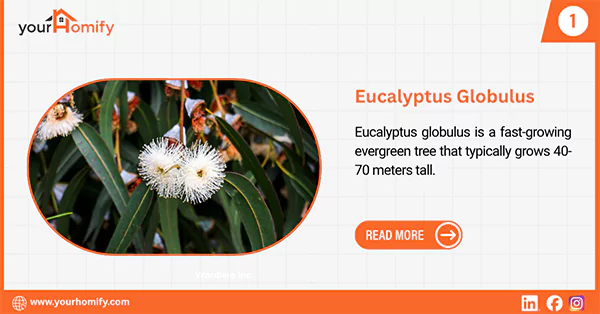
This eucalyptus variety is native to Australia and is popular for its straight trunk and peeling bark. Its aromatic, bluish-green leaves are highly sought after, and its wood is mainly used for timber production.
Eucalyptus globulus, or the Tasmanian blue gum, is a hardy medicinal plant, and its leaves produce essential oil that has anti-inflammatory properties and can be used to treat respiratory issues like bronchitis or asthma.
Eucalyptus Cinerea
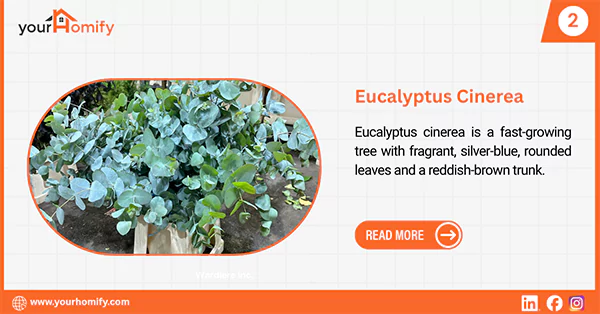
The Eucalyptus cinerea tree, also known as the Silver Dollar or Argyle Apple, is a widely appreciated, rapidly growing, evergreen Australian tree popular for its drought tolerance qualities and round-shaped foliage.
Furthermore, this flowering species is highly valued in the floral industry for its minty-scented leaves and is a mosquito repellent plant. The essential oils extracted from the foliage are often used in aromatherapies and to relieve joint pains.
Eucalyptus Platypus
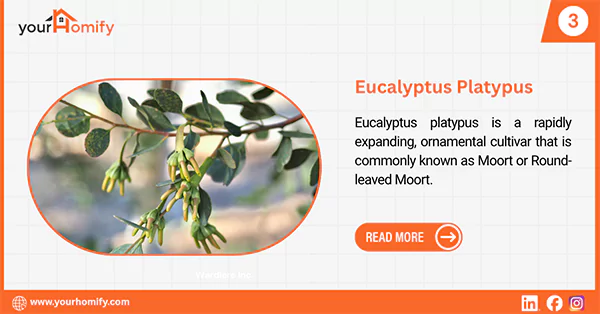
Eucalyptus platypus, or round-leaved moort, is a stunning cultivar and is highly appreciated for its canopy-like structure. Its dark olive green leaves and copper-colored trunk have always been its mesmerizing feature.
The planting thrives in coastal conditions, adapts well to poor soil, and is often cultivated as a mallet. It serves as an ornamental tree in large landscapes and functions effectively as a windbreak in home gardens.
Other than these, some dwarf and indoor varieties of the genus can also be an excellent addition to any living space. Eucalyptus vernicosa (small-leafed gum) and Eucalyptus kruseana (bookleaf mallee) are some popular examples.
Recommended Product
View all products
Have you ever come across a tree that resembles a natural work of art? The Rainbow Eucalyptus is just that. This fast-growing tree, also known as Rainbow gum or Mindanao gum, originates from the Philippines, Indonesia, and Papua New Guinea. The scientific name of the Rainbow Eucalyptus tree is Eucalyptus deglupta, which features a stunning bark that peels away to reveal multicolored layers, showcasing a mesmerizing blend of hues. Moving further, let us explore more about this masterpiece. Table of Contents: Rainbow Eucalyptus: Nature’s Personal Color Palette Significance of the Rainbow Eucalyptus Tree Ideal Growing Conditions for Rainbow Eucalyptus Trees User Reviews and Ratings FAQs Rainbow Eucalyptus: Nature’s Personal Color Palette Imagine walking through a tropical forest and stumbling upon a tree having a bark that has stripes of colors like — violet, indigo, blue, and green almost like a living rainbow. Unreal right? Well, the Rainbow Eucalyptus trees exactly fit this description and are too exquisite to be real. Speaking of the physical appearance, the tree stands 197-246 ft tall and also bears tiny white flowers that bloom in different seasons every time. The leaves of Rainbow Eucalyptus (deglupta tree) have a sword-like shape and emit a sweet aroma when crushed. Having a smooth trunk, the wood of this tree is used to make pulpwood, which makes it a botanical miracle. Let us explore more about the taxonomic overview of the Rainbow Eucalyptus. Taxonomic Overview of Rainbow Eucalyptus Kingdom Plantae Clade Tracheophytes Class Angiosperms Subclass Eudicots Order Myrtales Family Myrtaceae Genus Eucalyptus Species Eucalyptus deglupta Seeing the beauty of this natural wonder, many countries have started planting Rainbow trees as ornamental street trees.In the following sections, we will learn about the significance of the Rainbow Eucalyptus. Significance of the Rainbow Eucalyptus Tree Having ecological, commercial, and medicinal benefits, the Rainbow tree holds major significance in maintaining the ecological balance.Environmental Benefits: The roots of the tree prevent soil erosion situations in tropical regions, and maintain a balance in the ecosystem. Providing food and shelter to many small insects, birds, and micro-animals, the tree offers habitat and nourishment.Aesthetic and Ornamental Value: The vibrant multicolored bark makes it a visually stunning tree, offering aesthetic appeal to the viewers. Often grown in parks and large landscapes, the rainbow tree attracts tourists and many garden enthusiasts.Commercial and Medicinal Purposes: The trunk of the tree is used to extract pulpwood, which is widely used in making white paper. Not as helpful as other Eucalyptus species, the leaves of this tree are used to extract essential oils, which are used for some medicinal purposes in many regions.In some cultures, it is said that the tree resembles growth and resilience due to its ever-changing colors, and in many regions, this tree acts as an inspiration for artists and painters. Ideal Growing Conditions for Rainbow Eucalyptus Trees Preferably grown in areas having tropical and subtropical climatic conditions, the Eucalyptus deglupta tree requires a low-maintenance routine. Ideal Growing Conditions Hardiness Zone (USDA) 9-11 Light Exposure Thrives in bright, direct sunlight Temperature Grows best in warm temperature Water Needs Frequent watering is required Soil Type Fertile, well-drained, moist soil Height 197-246 ft tall Fertilizer Nutrient-rich liquid fertilizer mixed with water Majorly planted for pulp production, with proper care and guidance, the painted Eucalyptus can flourish into a beautiful, healthy tree and add a vibrant touch to any landscape. User Reviews and Ratings Review: Beautiful multicolored tree. Adds an eye-pleasing touch to the forest. Rating: ⭐⭐⭐⭐ Review: Stands out from other trees. Gives fresh and positive feelings. Beautiful tall trees. Rating: ⭐⭐⭐⭐⭐ Review: Amidst the lush green leaves, the beautiful, colorful tree trunks look unreal. The beautiful blend of rainbow colors fills the tourists with zeal. Rating: ⭐⭐⭐⭐⭐ Review: The tree bark is more colorful than its flowers and is very mesmerizing. Rating: ⭐⭐⭐⭐ Frequently Asked Questions Where can the Rainbow Eucalyptus be planted? The Deglupta tree should be planted in tropical and subtropical areas. What is the most common use of the Rainbow tree? The most common usage of this beautiful tree is to extract pulpwood from its tree trunk to make white paper. What is the USDA hardiness zone of the tree? The hardiness zone of the Eucalyptus tree is 9-11. It can thrive in warm temperatures. Is the Tree Rainbow Eucalyptus an easy-to-grow tree? Yes, by fulfilling the minimum growth requirements of the tree, it is an easy-to-care tree.
- Soil Type: Adaptable
- Sunlight: Full
Step-by-Step Guide to Planting an Eucalyptus Tree
Following a step-by-step guide has always benefited me when planting an eucalyptus tree. It helps me avoid some mistakes and gives the flowering species a strong start. With the right planting method, I can ensure proper root development, a faster growth rate, and less foliage shedding.
Step 1: Always choose the right location. I pick a spot where the tree can get adequate sunlight, and it has enough space to spread freely.
Step 2: Prepare a soil mix. It is ideal to loosen the soil a bit, make sure to check drainage, and mix nutrient-rich plant food before planting an eucalyptus.
Step 3: Dig a proper hole. Ensure to dig a hole twice as wide as the root ball. This helps with root penetration, especially when the soil is harder, and also prevents the tree from settling too deeply and from root rot.
Step 4: Place the plant properly. Gently take out the young species from its container and place it in the center of the hole. If you notice the roots circling, spread them outwards to encourage their growth.
Step 5: Fill the hole back with soil and press it gently around the base so that the roots of the tree stand firm. Water the plant immediately and thoroughly so that it settles well in the hole.
Step 6: Add mulch around the base of the plant to retain moisture, especially during a dry spell. Make sure to keep it away from the trunk to avoid root rot and pest infestation.
If you want to try a more budget-friendly and rewarding method, growing eucalyptus from seeds can be a go-to option. Although it takes more patience, the process allows you to experience the full growth journey of the flowering species.
How to Plant Eucalyptus Tree From Seed?
- Choose quality seeds, as they help in better germination.
- Stratify the seeds (optional but recommended). Place them on a damp paper towel inside a sealed plastic bag and keep them in a refrigerator for 3-4 weeks.
- Prepare a nutrient-rich soil mix in a pot or seedling tray, moisten it, and gently spread the seeds on the surface.
- Lightly cover the seeds with a thin layer of sand; do not bury them deeply, as they need direct light exposure for germination.
- Cover the tray or the top of the pot with a plastic sheet to mimic humid conditions and place it in an area where it can get adequate sunlight.
- Once the seeds start germinating and have a nice 2-3 set of leaves, transplant them to their actual pots and place them in their final positions. Make sure the soil is nutrient-rich and moist.
Growing an eucalyptus tree from seeds might be time-consuming, but the process is extremely satisfying, and with proper care, you can have a strong and adaptable flowering genus right in your front lawn.
Pruning and Propagating Eucalyptus Trees
Pruning eucalyptus is essential for maintaining its health, shape, and overall appearance. It manages the rapid growth of the species while keeping its structure intact. Regular pruning prevents weak branches and drooping leaves while encouraging the growth of young foliage.
The ideal time to trim or remove the dead or damaged parts of the eucalyptus tree planting is from spring to early summer, specifically during March, to boost new growth.
Although it is always best to grow this stunning evergreen tree from seed, propagating it using the right method can also yield high numbers. Propagating the species through cuttings is an easy and effective method to multiply the tree.
I personally prefer the stem-cutting method, and here are the easy steps that I follow to ensure healthy saplings.
- Select a 4-6 inch long healthy softwood tip.
- Make a fresh cut just below the leaf node and remove the lower leaves, keeping only 2-4 leaves at the top to reduce the moisture.
- Apply rooting hormone powder at the end of the node, and carefully insert the cutting into a pot filled with perlite and nutrient-rich soil mix.
- Cover the pot with a plastic sheet to mimic a humid environment and place it in a warm area but away from direct sun exposure.
- After about 4-5 weeks, once the roots have developed, transplant the species to its permanent location and moisten the soil to secure the plant.
Spring is the best time to take the cuttings, as during this period the plant grows actively. You simply need to prepare a good potting mix so that the species can get proper nutrition, and you are good to go.
Mistakes to Avoid: Common Pest Problems and Their Solution
Common pest problems in the eucalyptus tree include lerp psyllids, snout beetles, borers, scale, and other fungal infections. Although they can result in stunted growth of the genus, they can be easily treated with proper care.
Here are common mistakes to avoid when growing eucalyptus, along with effective solutions.
| Pest Problems and Diseases | Tried and Tested Solutions |
| Yellowing of the leaves—usually caused by overwatering to underwatering. | I fixed this by allowing the soil to dry out between the water sessions and adjusted the frequency accordingly. |
| Slow or stunted growth indicates stress and happens due to waterlogged soil. | Ensure proper drainage, and if you notice root rot, transplant the genus to a new potting mix. |
| Droopy leaves—This can happen due to improper watering or because of transplant shock. | Cut back any droopy or dead leaves, use a well-draining pot, and ensure the soil’s health. |
| Root Rot—Mostly happens because of fungal infections, overwatering, or underwatering. | I fixed this by not watering near the trunk of the tree, ensuring proper drainage, and removing dead leaves. |
| Lerp psyllids—These are tiny sap-sucking insects that can cause yellowing of the leaves. | Remove all the infested leaves and use a good-quality essential oil to prevent further infestation. |
| Aphids, scale, and mealybugs – Usually affect younger plants and result in a slow growth rate. | These can easily be treated with fertilizers, insecticides, or by spraying horticultural oils on leaves. |
Conclusion
Eucalyptus tree planting becomes easy if you follow the right growing method and care guide. You simply need to choose the accurate variety, depending on the environmental conditions you live in.
Give special attention to the plant while watering it. Overwatering or underwatering flowering species can stress the leaves, eventually leading to damage to both leaves and roots.
FAQs
How to take care of eucalyptus tree live plant?
You simply need to choose the right spot, provide the plant with proper sunlight and watering. Make sure the soil is nutrient-rich and permeable, and you are good to go.
What is the ideal time to plant eucalyptus trees?
The best time to plant eucalyptus trees is from spring to early autumn when the soil is warm, and roots can easily settle in the ground.
How tall can an eucalyptus tree grow?
Many eucalyptus trees can grow to heights ranging from 70 to 197 feet. The tallest flowering species can reach a height of about 300 feet.
Can Eucalyptus trees be grown indoors?
Yes, there are wide dwarf and indoor varieties of the species that can be easily added to your living space. Make sure to keep the soil consistently moist and provide it with filtered sunlight.