By the time a rodent drops pellets in the pantry or termites leave visible damage, the real problem has been building for months. Most infestations trace back to unsealed gaps, cracked foundations, and overlooked entry points that quietly invite pests inside.
Pest exclusion flips the script on reactive treatments by treating the home like a controlled environment, borrowing the prevention-first philosophy that biosecurity programs have used in agriculture for decades. Applied to residential settings, this approach makes infestation prevention a matter of structure, not just sprays. The sections ahead cover practical sealing methods, realistic cost expectations, and where the line falls between DIY fixes and professional help.
Pest Exclusion vs. Reactive Treatment
Most homeowners reach for a can of spray the moment they spot a cockroach skittering across the kitchen floor. That reaction is understandable, but it only addresses the symptom. The colony, the entry point, and the conditions that attracted pests in the first place remain untouched.
Pest exclusion takes the opposite approach. It focuses on sealing physical barriers, closing gaps around pipes, screening vents, and eliminating the access routes that rodents, insects, and ants rely on to enter a home. As a core pillar of integrated pest management (IPM), exclusion treats root causes rather than chasing individual pests room by room. The EPA has documented the long-term costs of IPM programs, showing how prevention-focused strategies reduce expenses over time.
The financial difference adds up quickly. Reactive treatments demand repeat visits and ongoing product costs, while exclusion work, once done properly, holds its value for years. That prevention-first mindset is especially useful on properties where pest pressure builds gradually and quietly before becoming visible.
Whether the concern is cockroaches in the kitchen or rodents in the attic, exclusion offers a single framework that applies across pest types.
Entry Points to Find and Seal First
Not every gap in a home carries the same risk. Some openings sit right at ground level where rodents travel nightly, while others hide along rooflines where roof rats slip in unnoticed. Prioritizing the highest-traffic entry points first makes the difference between a weekend project that actually works and one that misses the mark entirely.
Doors, Windows, and Garage Seals
Exterior doors are the most common starting point. Worn-out door sweeps leave enough space beneath a door for mice to squeeze through, since they only need a gap the width of a pencil. Replacing door sweeps and adding fresh weather stripping around the frame closes that route quickly.
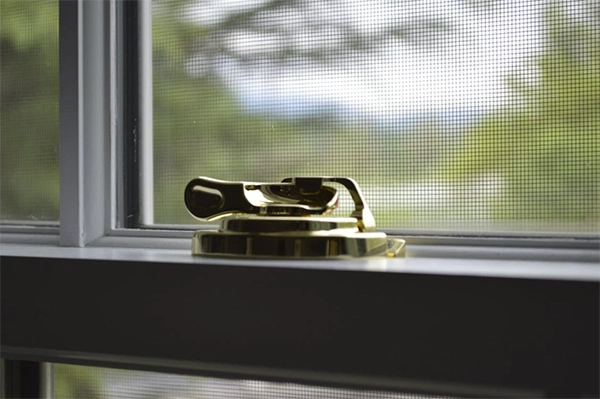
Window screens deserve a seasonal check as well. Even small tears give flies, mosquitoes, and wasps a direct path indoors. Screens that show signs of warping or fraying should be replaced rather than patched, especially on ground-floor windows.
Garage door seals tend to degrade faster than most homeowners expect. Cracked or flattened rubber along the bottom edge creates a wide-open invitation for rats and mice. Since garages often connect directly to living spaces, a failing seal here can funnel pests straight into the home. Recognizing early warning signs of infestation in these areas helps catch problems before they spread further inside.
Foundation Gaps, Weep Holes, and Rooflines
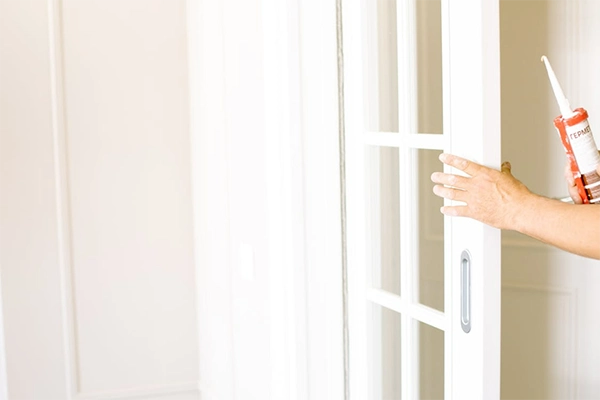
Sealing gaps around pipes, vents, and utility penetrations calls for silicone caulk, which stays flexible and holds up against moisture. For larger openings, stuffing copper mesh into the gap before applying caulk creates a chew-proof barrier that rodents cannot gnaw through.
Weep holes and foundation vents need a different solution. Covering them with hardware cloth allows airflow while blocking entry points for insects and small rodents alike.
Roofline intersections and soffit gaps are the entry points homeowners overlook most often. Roof rats are agile climbers, and even a narrow separation where the roof meets the wall gives them reliable access to attic spaces. Addressing these vulnerabilities ties directly back to the sealing methods discussed above for doors and windows.
Additional Pest Pressure on Horse Properties

Homes on horse properties deal with a different level of pest pressure than typical suburban houses. Barns, tack rooms, feed storage areas, and water sources create steady attractants for rodents, flies, ants, and other pests that can eventually make their way into the home. Even when the house itself is well sealed, nearby outbuildings can function as staging areas if gaps around doors, eaves, vents, and utility lines are left unchecked.
Feed rooms deserve special attention because grain, supplements, and bedding give pests both food and shelter. Sealed containers, tight-fitting barn doors, and regular cleanup around storage areas help cut down the conditions that allow infestations to build. The same prevention-first mindset also applies to overall horse care, whether owners are managing the property itself or supporting skin and coat health with Silver Lining Herbs as part of a broader routine.
On these properties, pest exclusion works best when the perimeter includes more than the main home. A loose barn threshold, damaged screen vent, or open utility gap in an adjacent structure can increase pest activity across the entire property. Sealing those secondary access points helps protect not only feed and equipment, but also the house, where rodents and insects often move once outdoor conditions become less favorable.
When to DIY and When to Call a Pro
Most of the exclusion work covered so far falls well within reach for a handy homeowner. Caulking foundation gaps, replacing door sweeps, installing weather stripping, and patching torn screens are all straightforward weekend projects. A full-home sweep of DIY pest exclusion materials typically runs between $50 and $150.
The line shifts, however, when the work moves to harder-to-reach or structurally complex areas. Roofline sealing, crawl space encapsulation, and large-scale foundation repairs introduce safety risks and require specialized tools that most homeowners do not have on hand. Professional pest exclusion services generally range from $300 to $1,500 or more, depending on the home’s size and the severity of the problem.
Dealing with such problems can prove to be quite tough for even a skilled owner. This is why professionals experienced in such pest control tasks inspect the existing issues, assess the infestation scope, and make use of certified machinery and tools to root out the threats swiftly and effectively.
Beyond the physical work itself, a professional inspection often uncovers hidden entry points that go unnoticed during a DIY walkthrough. Gaps behind soffits, interior wall penetrations, and subslab utility lines are easy to miss without trained eyes and diagnostic equipment.
The cost framing here matters. Spending a few hundred dollars on professional exclusion up front can prevent hundreds more in recurring exterminator visits down the road. That kind of investment supports maintaining a pest-free environment over the long term, rather than cycling through treatments that never address the real entry points.
Keep Pests Out Year After Year
Pest exclusion works best when it becomes part of a home’s regular maintenance cycle rather than a one-and-done weekend project. Small gaps reopen, caulk shrinks, and weather stripping wears down over time, giving pests fresh opportunities to find their way back inside.
Scheduling inspections twice a year catches most problems early. An early spring check reveals damage from winter freeze-thaw cycles, while a late fall walkthrough tightens the perimeter before rodents and insects seek warmth indoors. These seasonal pressure shifts are exactly when overlooked gaps start to matter.
The effort is minimal compared to the cost of reacting after an infestation takes hold. A home’s perimeter is its first line of defense, and consistent attention to that boundary compounds in value with each passing year.