Many homeowners view their basement as a dark storage area or a laundry zone. Transforming this space into a lived-in room requires a smart approach to lighting. Natural light is the most effective way to change how a floor feels and functions.
The basement business has transitioned from just being a storage area to being used as an area for living; however, the success of the basement will depend on whether the basement will overcome the “under the ground” feeling.
The conversion of a basement from a completely dark cellar to an area that can be referred to as an extension of the existing home simply depends on the level of natural daylight the interior spaces receive.
Consumers will have the abilities. They will thereby enjoy a higher level of comfort and functionality in their lower levels of the house.
KEY TAKEAWAYS
- Natural light in basements is scientifically proven to regulate circadian rhythms and improve mental well-being in lived-in spaces.
- Installing egress windows not only meets safety codes but also serves as the most effective portal for deep sunlight penetration.
- Using reflective window well linrs and strategic mirror placement can double the perceived brightness of a room without increasing electricity costs.
- Solar tubes offer a high-tech solution for bringing sunlight into windowless interior hallways by channeling rays from the roof level.
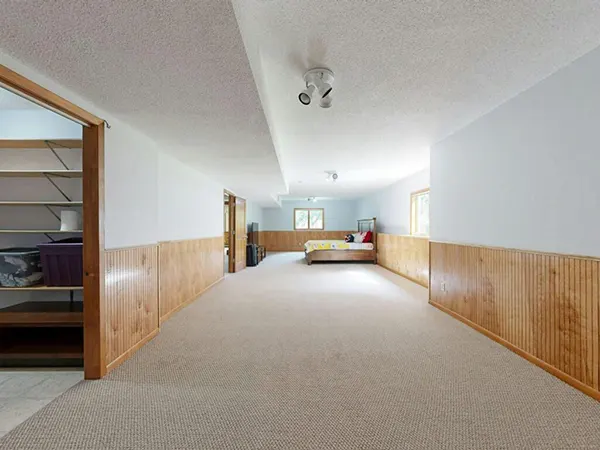
The Power of Sunlight Underground
Natural light does much more than just make a room look good. Sunlight supports healthy sleep patterns and improves your mood throughout the day. It also helps you save on energy bills by reducing the need for lamps. Adding windows to a basement makes the area feel connected to the rest of the home.
Interior design trends show how natural light regulates a person’s circadian rhythms. An abundance of natural light in a space provides visual comfort and improves a person’s mental state. When you have a bright space at the lower level of your home, it changes how you use that area.
Bigger Windows for Better Living
Often, basement windows are small, with high positions in the outside wall. Larger glass window panels can transform the brightness of a basement immensely. Larger windows allow sunlight to enter further into the space, creating less shadowy conditions, thus making a basement space less claustrophobic.
Standard windows might not be enough for a full renovation. Safety options such as Egress Windows can make your basement a legal living space while adding light. These systems provide a safe exit and a huge opening for the sun to shine through.
Digging Deeper with Window Wells
Many window wells are narrow, typically formed of grey metal, so there is very limited sunlight channeled through the window well to the glass. Upgrading to a wider, terraced style window well provides additional opportunities for sunlight to hit, as well angles that allow for more sunlight to enter the basement.
You can use bright colors or reflective materials inside the well. White stone or light-colored liners bounce light directly into your room. Some people even plant flowers in terraced wells to create a nice view from inside.
Reflective Surfaces and Interior Design
Light travels in a space that is determined by the decor in it. For example, very dark furniture and/or matte paint surfaces absorb light, rather than reflect it throughout the room.
Light colours will provide opportunities for the sunlight to bounce from wall to wall once entering a room. Therefore, using light colour paint schemes will make a small, below-grade basement space appear as much as two times larger.
- Use gloss or semi-gloss paint on window frames.
- Place large mirrors across from windows to double the light.
- Choose glass doors for offices or gyms to let light travel.
Basement design trends for the foreseeable future emphasize a combination of both functionality and aesthetics. Designers are turning these spaces into vibrant extensions of the main home. Using light colors and open layouts helps achieve this high-end look.
Strategic Furniture Placement
Heavy furniture can block the path of natural light. If you place a tall bookshelf next to a window, you create a permanent shadow. Keeping the area around your light sources clear is a simple way to brighten the room. Low-profile furniture keeps the sightlines open and the space airy.
If it is feasible, arrange your seating to face the windows for maximum enjoyment of natural light while you read or relax. Choose sheer draperies rather than heavy shades for privacy from the outside but keep your window open and allow the sun to come through.
Using Glass to Move Light
Solid walls are the biggest enemy of a bright basement. If you are building a bedroom or a home office, consider adding glass elements. Interior windows or glass partitions allow light to flow from one room to the next. This prevents the “closed-in” feeling common in lower levels.
Frosted glass will provide privacy by blocking the view from the outside, while at the same time allowing soft light to pass through. This is particularly useful in bathrooms and guest rooms where you want to keep the area as light as possible.
Solar Tubes and Skylights
If your basement extends beyond the footprint of the floor above, you have more options. Sun tubes or solar pipes can channel light from the roof down into the basement. These are small pipes with a reflective lining that act like a natural lamp.
They are a great idea to add natural light to interior corridors or bathrooms without outside walls. This will give you a consistent flow of natural light for an extended period of time each day.
Landscaping for Light
The area outside your basement windows matters just as much as the inside. Tall bushes or thick trees can block the sun before it ever hits the glass. Keeping your landscaping trimmed ensures your windows can do their job.
Choosing light-colored gravel around the foundation of your home will assist in reflecting sun’s rays up to your basement windows. Changes made to the exterior of your home will impact the amount of light in your home.
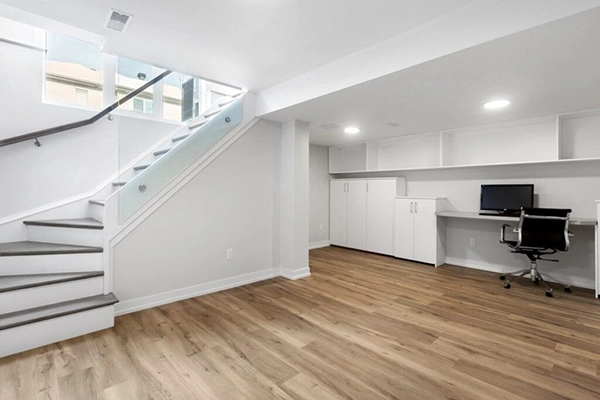
You can easily convert a dark basement into a favorite part of your home with some simple design techniques. You do not have to spend a lot of money to have a significant change. Pick one window at a time, and you can begin to add the sun to your basement.
FAQs
Are Egress windows required in 2026?
If you are using your basement for sleeping or residing in any way, then almost every local jurisdiction’s building code will require an egress window for light and emergency exit.
Do solar tubes work on cloudy days?
Absolutely! Solar tubes are meant to capture ambient light, whether the sun is fully visible or not—they simply provide a softer glow throughout your environment.
What is the best color to paint a dark basement?
The most effective colors for reflecting light and giving small spaces the appearance of being larger than their actual size are off-whites, light greys, and cooler tones.
How can I make my window wells look less “industrial”?
You can create a more aesthetically pleasing, natural-looking window well by utilizing decorative stone, terraced landscaping timbers,s or particular liners that have been designed to resemble masonry.