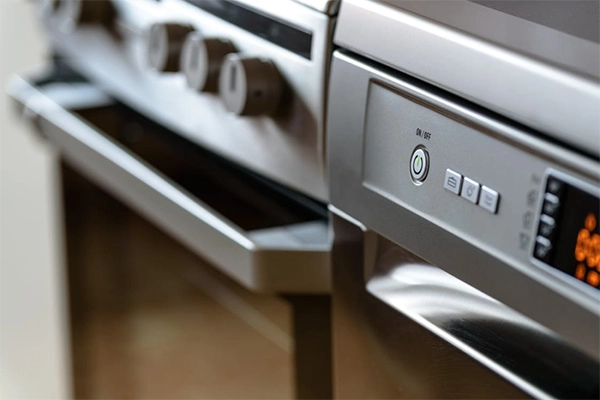
There’s a sense of pride in keeping appliances running for years, but there’s always a limit to any machine’s lifespan. Delaying the replacement of older appliances can actually cost you more in energy, repairs, and stress. If you’re not sure if it’s time to replace them, here are some clear signs your home appliances might be ready to retire.
It’s Over Its Expected Lifespan
Major appliances have varying life expectancies. For example, a gas stove can last up to 18 years, while dishwashers and washing machines are usually good for about a decade. Once they pass that point, performance drops, and problems tend to occur more often.
If you’re not sure of the appliance’s age, do a quick check by looking for the serial number label or old receipts if you still have them. For units like water heaters, online tools like a water heater age checker can give you an answer in seconds. Knowing the age of your appliances helps you plan ahead, so you can replace them before they become problematic.
Repairs are Becoming More Frequent
One or two repairs over a unit’s lifespan is common, but when these fixes become routine, it’s a sign of a problem. Be mindful of how often you’re spending money just to keep saving an appliance. If there’s a common pattern, a replacement can save you from expensive and unnecessary repairs.
Parts are Hard to Find
Even if a repair is simple, finding the right part can be a challenge for older appliances. Manufacturers stop producing parts of older models over time, and what’s left becomes more difficult to source. This leads to increased costs. In cases like this, replacing your appliance with a newer model is more practical. This replacement will include accessible parts, making maintenance easier if needed.
Energy Bills Are Too High
If your utility bill keeps rising without a clear reason, one of your appliances might be working harder than it should. This often happens in cooling systems. If your space never quite feels comfortable and your bill keeps climbing, it could be time to replace your old AC system. Newer models are built to run more efficiently, which helps lower energy use.
It Lacks Modern Safety Features
Older appliances weren’t built with today’s safety standards in mind, leading to potential risks in daily use. Upgrading to a modern system gives you access to safer, smarter features. This is especially helpful if you’re trying to build a smarter kitchen.
Newer stoves may have auto shut-off features, and some appliances can detect overheating and shut down when left unattended. These upgrades bring peace of mind and make everyday kitchen tasks safer.
It No Longer Meets Your Needs
Life changes, and your appliances need to keep up. What worked a few years ago might not fit your routine today. Maybe your household has grown, and now you need a washing machine to do twice as much laundry in a shorter period.
When an old appliance slows you down or no longer fits your needs, it may be time to move on. Replace it with something bigger, faster, or more modern to make it easier to meet your current lifestyle’s demands.
Endnote
Appliances will often give warning signs they’re ready for replacement. Be mindful of these signs so you’re not forced into a last minute fix.