


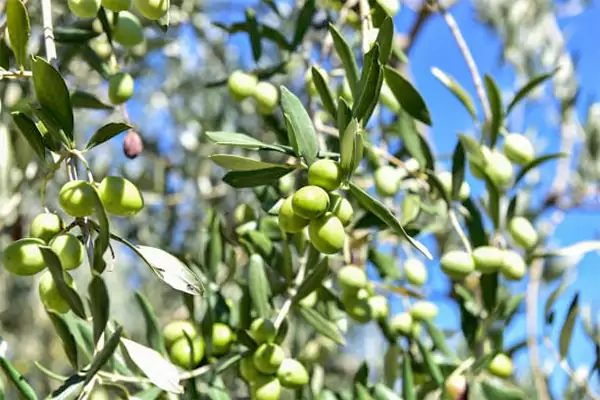
Olive trees maintenance is essential if you wish to witness flourishing trees in your front lawn. Whether I grow the species indoors or outdoors, proper care like sunlight, soil type, and water can make a big difference.
Botanically called Olea europaea, olive trees thrive in full sunlight (6-8 hours), well-draining gravelly soil, prefer consistent moisture, and temperatures between 50-85 F.
Furthermore, in this article, I have mentioned the ideal growing conditions that one needs to follow, along with the tips to handle the pests and diseases that can damage the tree.
Quick Answer
Olive trees maintenance is quite effortless. They simply need direct sun exposure for 6-8 hours daily, moderate watering, and a well-draining soil mix for optimal development.
Olive Trees Maintenance: What are the Ideal Growing Conditions?
Whether you are growing a Mediterranean beauty for its alluring silver green foliage or hoping for a nice harvest, olive trees maintenance is quite straightforward. Here is your complete guide to keep the species thriving.
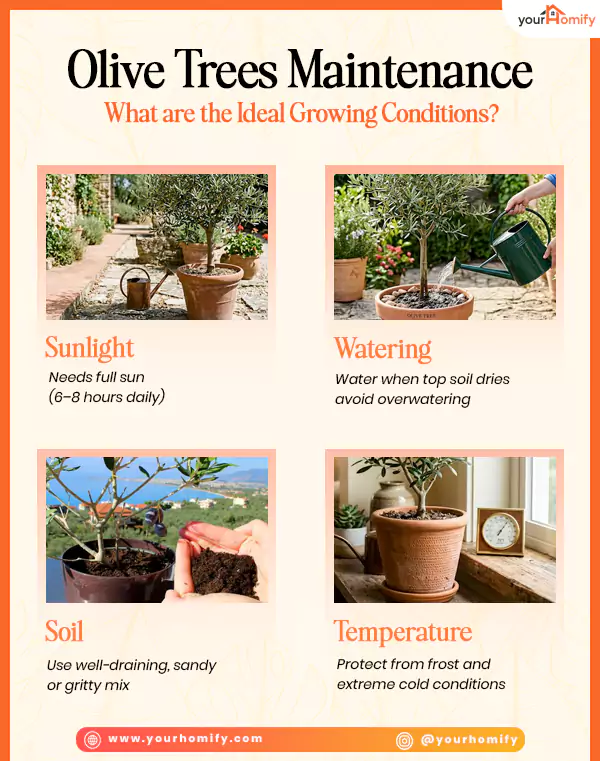
- Sunlight Requirements: One of the most important factors in olive tree maintenance is choosing the right location. They need at least 6-8 hours of direct sunlight daily. If you are growing one indoors, place it by your brightest south-facing window.
Also, make sure that the airflow is good. If indoors, ensure the room isn’t too humid or stagnant.
- Watering Schedule: The most common mistake that kills the tree is overwatering. Once settled in the ground, olive trees are incredibly drought-tolerant. Water deeply only once every 1-2 weeks during dry spells, and you are good to go.
Potted trees dry out faster, so make sure to water when the top 2 inches of the soil feel dry and adjust the frequency during colder months as the growth slows down.
- Soil Type and Drainage: Use a well-draining, grainy mix for olive trees. A cactus or citrus potting mix works perfectly for container trees. Ensure that the pot has large drainage holes. If planting in the ground, avoid low spots where water collects.
Olive trees prefer growing in poorer soils and do not require heavy, rich, or highly fertilized potting mixes. Also, ensure that the soil is slightly acidic.
- Feeding and Fertilizing: This green plant needs regular and balanced feeding to thrive, particularly in spring and summer, since these are the growing seasons for the genus. Use a balanced NPK fertilizer in the ratio 10:10:10 for optimal growth.
Ensure that the plant food contains all the essential micronutrients like zinc, iron, and boron. Apply in a ring around the base of the tree and avoid direct contact with the trunk.
- Temperature and Winter Care: Most olive tree varieties can handle temperatures down to 20 F (-6 C). If you feel that frost season is coming, consider moving the potted ones indoors to a sheltered spot.
Some fruiting cultivars of the tree do need a chill period during winter to produce fruit. I usually cover and wrap the trunk with a horticulture sheet to protect against snow winds.
These are some care tips that I usually follow so that my trees can flourish. You simply need to provide the species with ideal growing conditions, and you are good to go!
How to Prune and Propagate Olive Trees?
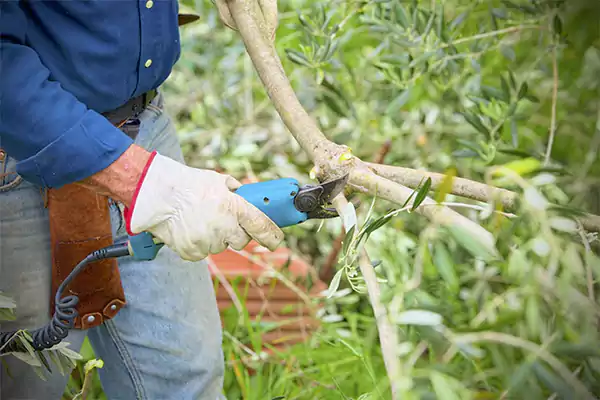
Pruning and propagating olive trees is essential to maintain the health of the species. If you wish to give this ornamental plant a structure and encourage new growth, here are some maintenance tips for you.
- Pruning helps maintain the tree’s health, improves fruit production, and also keeps the species at a manageable size.
- The best time to prune olive trees is during late spring or early summer, which is after the last frost but before the tree fully bears flowers. Pruning during the rainy season should be avoided to prevent water-borne diseases.
- Always make sure to sterilize the tools with boiling water or any chemical disinfectant before you begin with pruning or deadheading. If you see any shoots growing at the base of the tree, consider removing them, as they can deprive the plant of essential nutrients.
Furthermore, propagating olive trees is a routine practice for both home gardeners and those who grow the genus for commercial purposes. This process also ensures that the best qualities of the species are carried forward to new saplings.
Few Easy Steps that I Usually Follow to Propagate my Olive Trees
- During late spring to early summer, take 6-8 inch cuttings from a healthy stem, and they should be about ¼ inch thick in diameter.
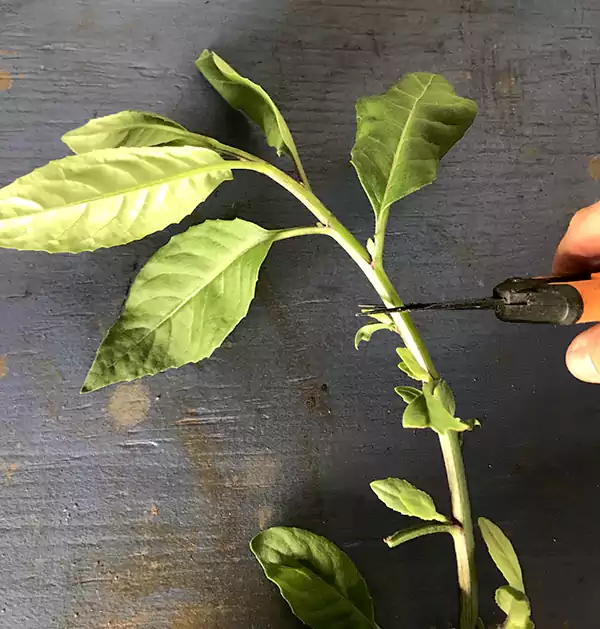
- Keep only 2 to 4 leaves at the top of the cutting and remove the remaining leaves. Just below the leaf node, make a diagonal cut at the base and slightly scrape it to encourage root development.
- Make small holes in the soil mixture using a pencil so that the cutting can be easily planted. Dip the base in a rooting hormone powder or gel and place it in a pot filled with potting mix or sand having good drainage.
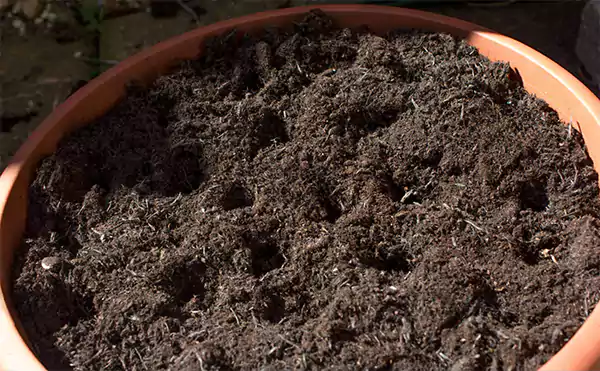
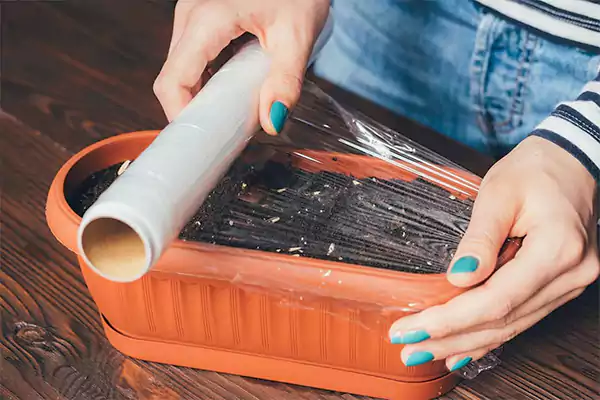
- Cover the pot with a thin plastic bag to create a humid environment. Make sure to keep the soil moist but not too soggy or waterlogged. Once you see a sapling developing, shift the pot to its permanent sunny spot.
If you spot young olive shoots or suckers at the base of the tree, you can transplant them directly into a new pot. The process is relatively easy, but keep in mind that the sapling will take time to grow into a full tree.
Common Pests and Diseases That Affect the Olive Trees
Are olive trees low maintenance? Yes, but the species does need some care and attention so that it doesn’t get affected by certain pests or diseases. Some insects often target the sap, leaves, or fruit, which can severely impact the fruit yield and oil quality as well.
I have also come across many novice gardeners in various community forums regarding how to care for olive trees. Here are some common pests and diseases that can affect olive trees.
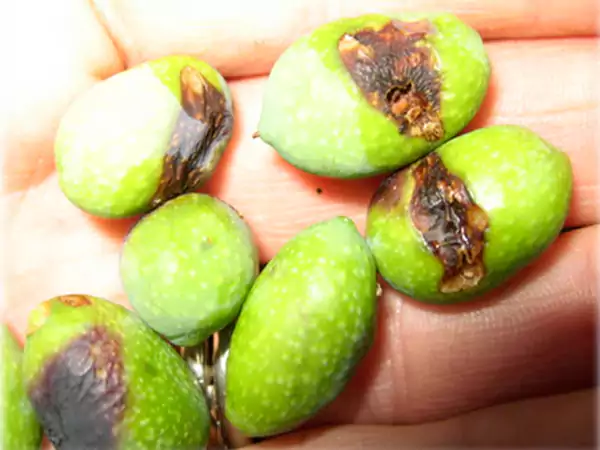
- Olive Fruit Fly: This is one of the most common pests that can affect the overall health of the species. It typically feeds on the fruit pulp, causing premature fruit drop and therefore impacting the quality of the oil.
- Black Olive Scale: It is a sap-sucking insect that damages the leaves and newly formed twigs of the plant, making the trunk weak from its base. These insects also secrete a sticky residue that causes discoloration in the leaves.
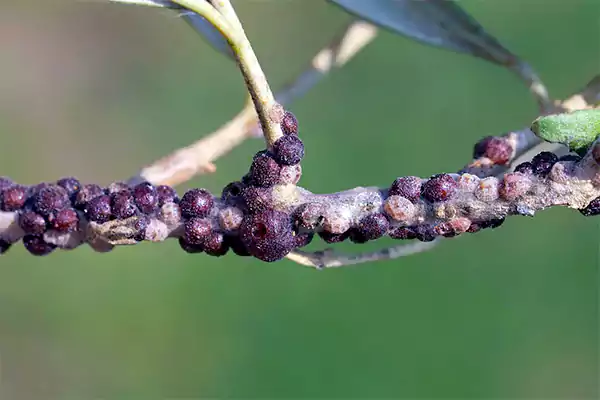
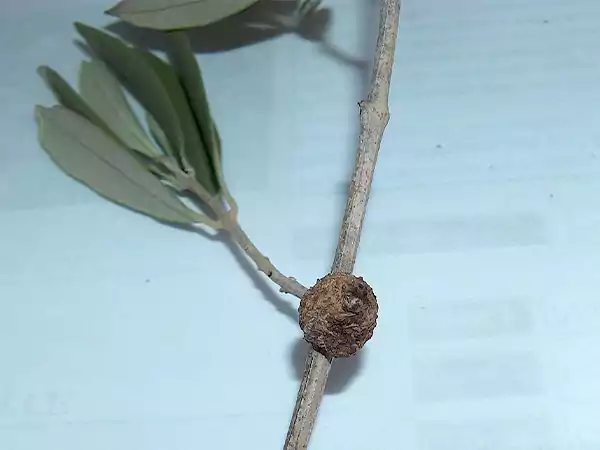
- Olive Knot: This is a bacterial disease of olive trees that produces rough tumor-like galls on twigs, branches, and sometimes even on the trunk. Severe infection can impact the shoots and reduce yield and fruit quality.
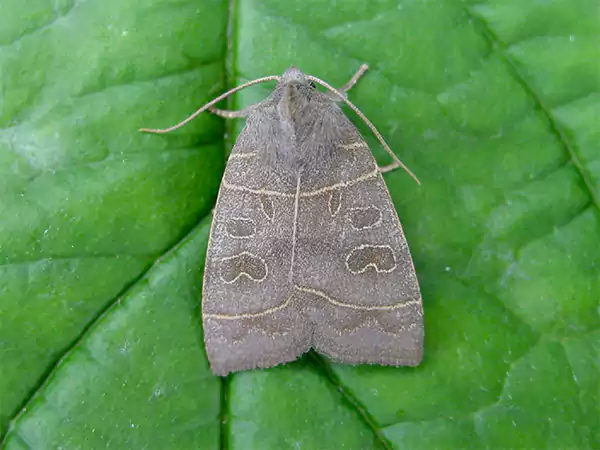
- Olive Moth: If there is one pest that can damage the plant in different stages of its growth, it’s the olive moth. There are generally three generations that can highly damage the entire tree: Phyllophagous, Anthophagous, and Carpophagous.
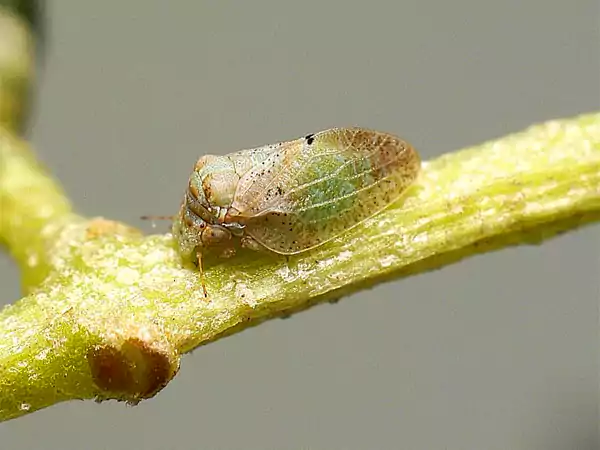
- Olive Psyllid: This is a small sap-sucking insect that attacks mostly the root of the tree. Additionally, they also feed on buds, flowers, young shoots, and small fruits, causing heavy damage and infestation.
To prevent the tree from getting infected by the aforementioned pests and diseases, I ensure it receives proper airflow and avoids pruning during rain, as this can also increase infestation.
Conclusion
In the end, one can say that olive trees maintenance is all about consistency. You simply need to provide the species with full sunlight, permeable soil type, and consistent moisture for optimal growth. There is a wide variety of the genus, and if you are confused about which one to begin with, just start by digging more about its growing conditions.
Although the species is said to be low maintenance, it does need regular pruning to ensure its healthy development.
FAQs
Are olive trees easy to grow?
Yes, olive trees are generally low-maintenance once established. They are naturally drought-tolerant and pest-resistant, though young trees need regular attention until they develop their roots.
How much sunlight do olive trees need?
Olive trees are often also called sun worshippers. The species requires direct sunlight daily. If you are growing them indoors, make sure that the container is placed near a south-facing window.
How often should I water my olive tree?
You can use the soak and dry method while watering olive trees. For potted ones, water deeply until it starts draining from the bottom, and then wait until the top 2 inches of the soil feels dry.
When and how should I prune olive trees?
Olive trees should always be pruned in late spring or early summer. Be sure to remove all the dead leaves. If the plant feels crowded, consider trimming a bit so that sunlight can reach the inner branches as well.
Why are the leaves of my olive tree turning yellow?
Yellowing of the leaves is usually because of overwatering. Remove all the wilting, dead foliage and adjust the frequency of watering. Place the species under bright sunlight so that it can get all the essential micronutrients as well.
Why isn’t my olive tree producing fruit?
Fruit production usually starts when the tree is 3-5 years old. If your tree is not bearing any fruit, this might be because of a lack of a chill period. Most indoor species also rarely bear fruit as they are not grown under optimal conditions.
How to Grow Olive Trees – BBC Gardeners Magazine

How to Cover a Raised Garden Bed for Year-Round Protection
[…] Easy Care How to Maintain an Olive Tree?: A Complete Care Guide […]