“Architecture should speak of its time and place, but yearn for timelessness.”
— Frank Gehry (Architect & Designer)
Modern homes no longer make you feel like living in a box. The boundary between indoors and outdoors is dissolving, giving rise to spaces that feel fluid, breathable, and alive. Today’s homeowners want more than just rooms. They want environments that adapt to how they live, whether that means hosting, unwinding, or simply stepping outside without ever feeling like they’ve “left” home. The trend of seamless indoor-outdoor living is fast becoming the standard for thoughtful, modern design.
In this article, I’ll explain how to create seamless indoor-outdoor living spaces with smart design, cohesive materials, and functional layouts that enhance comfort and everyday usability.
KEY TAKEAWAYS
- Consistency in design elements makes indoor and outdoor spaces feel naturally connected.
- Smart layouts and access points improve flow and usability.
- Durable, matching materials ensure both aesthetics and longevity.
- Comfort and lighting are what turn outdoor areas into everyday living spaces.
Design Continuity Connects Spaces Naturally
Consistency is what makes the transition invisible. The transition can seem abrupt if the following elements flow inconsistently:
- Materials
- Colors
- Design
Focus on keeping matching flooring, complementary finishes, and consistent architectural details.
Approaches seen in projects by Streamline Landscape demonstrate how coordinated design can unify different areas of a property. By aligning outdoor features with the interior aesthetic, spaces feel more connected and intentional, creating a smoother overall experience.
Layout Planning Enhances Functionality
A seamless space requires smart movement. A well-planned layout is essential for the indoor and outdoor areas to work together:
- Open floor plans
- Large sliding doors
- Direct access points
All contribute to a more fluid connection between spaces. As movement between environments becomes easier, outdoor areas become an extension of indoor living zones.
In developments like https://www.urbnlivn.com/seattle-condos/west-seattle/infinity-shore-club/, thoughtful layout design plays a key role in maximizing both space and usability. By prioritizing accessibility and flow, these environments support a more integrated approach to everyday living.
Materials Play a Key Role in Integration
Materials also dictate how connected a space feels. To ensure long-term performance while maintaining consistency, get yourself materials that are:
- Durable
- Weather-resistant
- Visually complementing
Using similar textures or tones across both areas creates a unified look, while selecting materials that can withstand outdoor conditions reduces maintenance concerns. This balance between aesthetics and durability is essential for creating spaces that remain functional and visually appealing over time.
Lighting Extends Usability Beyond Daytime
Lighting is what keeps the space alive after sunset. It’s also critical in maintaining seamless living environments. Proper outdoor lighting not only enhances safety but also extends the usability of exterior spaces into the evening. When lighting is coordinated with interior systems, the transition between spaces becomes even more cohesive.
According to the American Society of Landscape Architects, well-designed outdoor lighting improves both functionality and overall experience, making spaces more inviting and accessible. This highlights the importance of considering lighting as part of the overall design strategy.
Comfort Features Encourage Daily Use
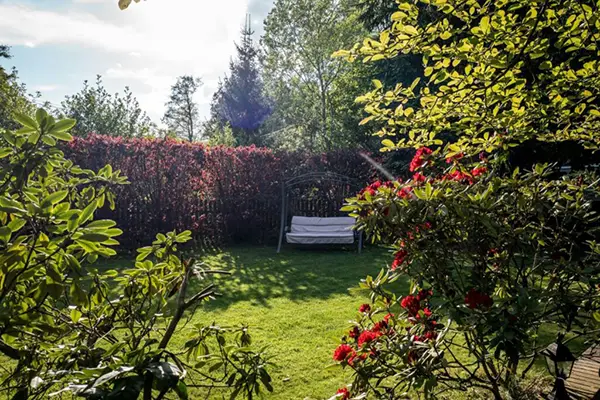
An outdoor space only works if people actually want to use it. For outdoor spaces to feel like true extensions of the home, they need to offer the same level of comfort as indoor areas. This includes:
- Seating
- Shade
- Protection from the elements
Features such as covered patios, outdoor heaters, and strategically placed furniture help create environments that can be used consistently throughout the year.
By prioritizing comfort, homeowners can ensure that outdoor areas are not just visually appealing but also practical for everyday use. This approach supports a more balanced lifestyle where indoor and outdoor living coexist naturally.
Maintenance Planning Keeps Spaces Functional
Even the best-designed spaces fall apart without upkeep. Maintaining a seamless connection between indoor and outdoor spaces also requires ongoing care. Preserving the appearance and functionality of these areas requires:
- Regular cleaning
- Inspections
- Minor repairs
Without proper maintenance, even well-designed spaces can lose their effectiveness over time.
Planning for maintenance from the beginning, by choosing durable materials and accessible layouts, makes it easier to keep spaces in good condition.Utilizing professional property maintenance services provides an excellent way to effortlessly sustain this balance, keeping your beautiful transitions pristine and welcoming all year round.
Seamless Living Reflects Modern Lifestyle Needs
Homes today need to flex with daily life. The growing emphasis on connected living spaces reflects broader changes in how people use their homes. Flexibility, comfort, and efficiency are now central priorities, and seamless indoor-outdoor design supports all three.
By combining thoughtful design, practical features, and consistent maintenance, homeowners can create environments that feel open, functional, and inviting. This approach not only enhances daily living but also adds long-term value, making it a defining element of modern residential design.
INTERESTING STAT
Thoughtfully planned outdoor living areas can increase a home’s value by 10% to 15%, and patios alone have been shown to deliver an ROI of over 80%.
Natural Transitions Improve Everyday Flow
True integration lies in movement. Seamless indoor-outdoor living is not only about design consistency but also about how naturally people can move between spaces. Transitional elements help eliminate physical and visual barriers, making the connection feel effortless. Those include:
- Sliding glass doors
- Covered walkways
- Threshold-free flooring
Conclusion
Seamless indoor-outdoor living is ultimately about coherence: how spaces look, feel, and function together. When transitions are designed thoughtfully, outdoor areas become a natural extension of daily routines rather than separate zones. This improves usability and encourages more frequent use of exterior spaces, reinforcing the idea that indoor and outdoor living should function as one continuous environment.
FAQs
What is seamless indoor-outdoor living?
It’s a design approach where indoor and outdoor spaces are integrated to function as one continuous environment, both visually and practically.
What are the most important elements for achieving this design?
Continuity in materials, thoughtful layout planning, proper lighting, and comfort-focused features are key.
Are seamless indoor-outdoor designs expensive?
Not necessarily. While high-end projects can be costly, the concept can be achieved at various budgets with smart material and layout choices.
How do you maintain such spaces effectively?
Use weather-resistant materials, plan for easy cleaning access, and perform regular upkeep to preserve both function and appearance.