These days, comfort at home goes beyond temperature.
It includes even the other factors, such as whether the air feels stale, when dust settles too fast, or when allergies act up indoors. Many people clean more, add air purifiers, or open windows.
But do you know what that leads to? The source often sits above your ceiling.
This is why your attic plays a major role in indoor air quality. It affects airflow, moisture levels, and how pollutants enter your living space.
Attic spray foam insulation addresses these issues at the source. Have a look at this article to know more!
Key Takeaways
- Exploring the indoor air quality starts in the attic
- Understanding what attic spray foam insulation is
- Assessing how attic spray foam insulation improves air quality
- Evaluating the role of ventilation and temperature control
Why Indoor Air Quality Starts in the Attic
Air moves through your home in ways you do not see. Warm air rises, pulling air from lower floors straight into the attic. If the attic has too many gaps or poor insulation, it tends to draw in dust, pollutants, and moisture.
The same contaminated air finds its way back into your living space, thereby leading to the deterioration of comfort and health. Indoor air quality improvement starts with controlling this airflow.
Many homeowners who explore spray foam insulation in Paris, Greenville, Dallas, Plano & Sulphur Springs, TX learn that sealing the attic reduces airborne irritants and improves overall air quality.
What Is Attic Spray Foam Insulation
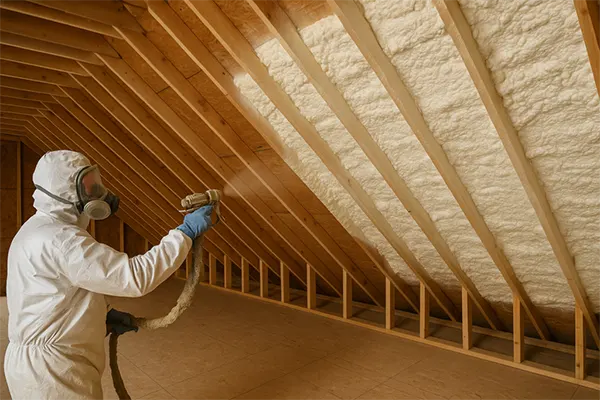
Foam insulation of the attic involves applying a liquid foam through a spray that expands and hardens. It fills gaps, seals cracks, and creates a continuous barrier.
Traditional attic insulation often leaves small openings. These gaps allow air leakage. Spray foam insulation attic systems remove those gaps and improve performance.
Open-Cell vs Closed-Cell Spray Foam
Spray foam insulation comes in two main types. One is softer and expands a lot more, making it really useful for the purposes of air sealing and sound control.
The other is denser and provides stronger insulation along with moisture resistance.
Each option serves a different purpose. A professional attic insulation contractor helps match the right type to your home.
How Spray Foam Works in Attic Spaces
Spray foam expands into every corner. It seals joints, gaps, and openings. This creates an air barrier insulation attic system that blocks unwanted airflow.
With proper attic insulation installation, like one from 903 Spray Foam, you reduce the movement of outside air into your home. That change directly improves indoor air quality.
How Attic Spray Foam Insulation Improves Air Quality
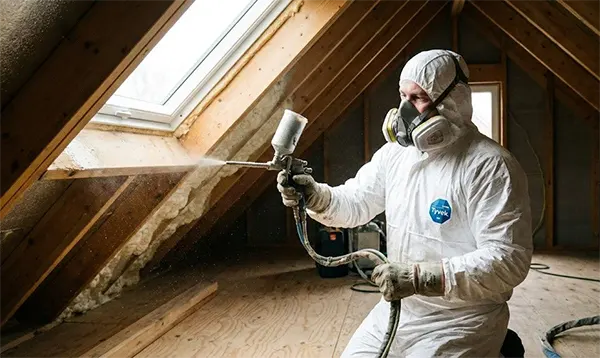
The main benefit of attic spray foam insulation lies in how it controls air movement and moisture.
Sealing Air Leaks and Blocking Pollutants
Attic air sealing stops outside air from entering your home. It also prevents attic air from circulating into living spaces.
Air leakage attic solutions reduce dust, pollen, and outdoor pollutants. This creates insulation for cleaner air and a healthier indoor environment.
Reducing Allergens and Dust
Dust often enters through gaps in attic spaces. Once inside, it spreads through vents and air systems.
Dust reduction attic insulation helps limit this problem. It also supports home insulation for allergies by reducing airborne irritants.
Families with allergy concerns often notice improved comfort after upgrading attic insulation.
Controlling Moisture and Preventing Mold
Moisture creates ideal conditions for mold growth. Poor attic insulation allows humidity to build up.
Attic moisture control becomes easier with spray foam. It blocks outside moisture and stabilises indoor conditions.
Mold prevention insulation reduces health risks and protects your home’s structure. Attic humidity control also prevents long-term damage to materials.
Role of Ventilation and Temperature Control
Insulation works together with ventilation. Both systems must function well to maintain air quality.
Attic Ventilation and Airflow
Attic ventilation improvement ensures proper airflow. It removes excess heat and moisture.
Spray foam seals unwanted leaks while allowing controlled ventilation. This balance keeps your attic environment stable.
Thermal Performance and Comfort
Thermal insulation attic systems maintain consistent indoor temperatures. This reduces hot and cold spots in your home.
Home comfort insulation attic solutions improve daily living. You feel the difference in both temperature and air quality.
Fun Fact
In a “conditioned” unvented attic, applying foam directly to the roof deck keeps attic temperatures surprisingly mild, often going around 80° F and 100° F outside.
Energy Efficiency and Health Benefits Combined
Energy efficiency and air quality go hand in hand and are often closely related. When you control the airflow, you also reduce energy loss.
Energy Savings from Proper Insulation
Energy-efficient attic insulation reduces the amount of energy needed to heat or cool your home. This leads to lower bills over time.
Attic insulation for energy savings also reduces strain on HVAC systems. This extends their lifespan.
Long-Term Health and Comfort Benefits
Cleaner air leads to better breathing conditions. Reduced environmental allergens and stable humidity support overall health.
Many homeowners report fewer symptoms and improved comfort just after a few days of the spray foam insulation process.
Ideal Situations for Attic Spray Foam Insulation
Attic spray foam insulation works well in both new and existing properties.
New Construction and Renovation Projects
Insulation for new construction allows full coverage from the start. It creates a strong foundation for efficiency and air quality.
Insulation for home renovation upgrades older systems. Attic insulation upgrade projects often address gaps and outdated materials.
Homes in Hot or Humid Climates
Attic insulation for hot climates reduces heat buildup. This improves comfort and reduces energy use.
Eco-friendly attic insulation options also support sustainability goals while improving performance.
Choosing the Right Attic Insulation Contractor
The effectiveness of spray foam insulation depends on proper installation.
What to Look for in a Professional
Professional attic insulation services must include experienced individuals, clear recommendations, and proper equipment.
High-performance attic insulation requires attention to detail. Skilled installers ensure full coverage and proper sealing.
Finding Reliable Local Services
When looking for attic insulation near your location, prioritize reputation and proven results. A reliable contractor explains options clearly and delivers dependable outcomes.
If you are comparing insulation types, learning more about open-cell spray foam helps you understand how different systems affect air quality and performance.
Ready to Improve Indoor Air with Attic Spray Foam Insulation

Your indoor air quality relies more on home controls, airflow management, and moisture instead of simple cleaning and ventilation.
Begin with an attic assessment. Identify gaps, leaks, and insulation problems. Focus on its solutions by sealing air leaks and stabilising indoor conditions.
Work with experienced professionals who rightly understand how spray foam insulation enhances air quality. Choose the right system depending on your home and climate.
Take action now. Upgrade your attic insulation and create a cleaner, healthier indoor environment that supports long-term comfort.
Conclusion
Attic spray foam insulation does a lot more than just improve energy efficiency. It also helps develop a healthier indoor environment. By sealing air leaks and reducing the entry of dust, the presence of allergens, and outdoor pollutants decreases significantly, thereby supporting better indoor quality.
For homeowners seeking greater comfort and cleaner air, spray foam insulation is a valuable long-term investment.
FAQs
What is the main advantage of using spray foam insulation?
The main advantage of open-cell and closed-cell spray foam is reduced heat transfer. Spray foam insulation creates a thermal barrier between the inside of a building and the outdoors.
What type of spray foam does not absorb water?
Closed-cell spray foam is a completely different material. It’s dense, rigid, and forms a tough outer shell. Closed-cell foam doesn’t absorb water at all. Instead, it blocks it.
Why is foam a better insulator than air?
Foam insulation reflects the radiant heat and traps air, preventing the hot air from circulating with the cold air.
How long can spray foam be exposed to the sun?
The greatest weakness of spray polyurethane foam is its inability to resist the ultraviolet rays of the sun. Within 72 hours, uncoated spray foam will begin to deteriorate.