A basic understanding for a university might be limited to just providing information to the students, but in reality it has a huge impact on nearby surroundings. This is a secret factor that most of the homeowners often miss.
With the expansion of private university campus, it not just attract students but also faculty, researchers, businesses and people who were ready to invest. As a result, the price of nearby how also rises.
For buyers, homeowners and investors it holds much of the importance – learn how private university growth affect home values.
Key Takeaways
- Expanding private universities often create sustained need for rentals and space to stay.
- Campus expansion can also support local job creation and business growth in the surrounding area.
- University expansion often attract businesses, amenities and infrastructure growths.
Why Does Private University Growth Impact Housing Markets?
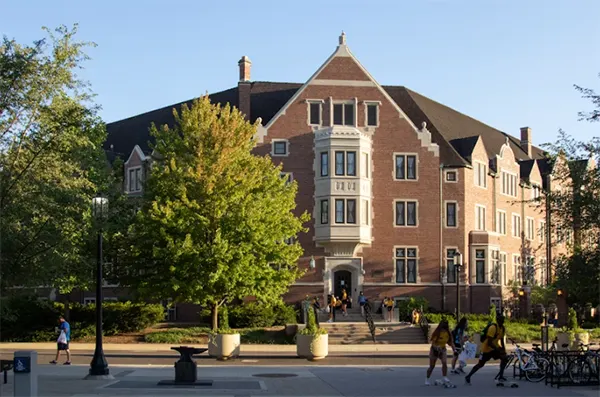
Have you ever seen how sites around private universities seem to have their own economic superpower? Even when the overall economy slumps, these areas thrive. Their power doesn’t stop at the campus gates. Let’s get a closer look at that.
Stable Demand From Students and Faculty
Universities operate like mini-cities. They keep adding a constant influx of people who all need a place to live. Students, faculty members, researchers, and campus staff- all of them. Teachers often seek fixed housing near campus. And students generate steady rental demand. This mix creates a steady flow of housing activity. So you have property prices over time.
Increased Rental Activity
Private universities pull in talent from all over the world. We know how these immigrants want ease. They largely favor housing within walking distance or a short commute. For landlords, this concentration turns directly into high occupancy rates.
Limited Housing Supply Near Campuses
Land around mature campuses is scarce. You cannot just extend infinitely. Available housing remains tight while the demand keeps growing. This increases the battle. Over time, limited inventory in combination with consistency may support price growth.
Stronger Investor Interest
Investors love steady growth, so they view university towns as recession-resistant safe havens. They can guess the rental need because of the constant student and faculty housing needs. And when they join a market, they may renovate existing properties. They build new housing, or turn older homes into rental units. These events can further increase market activity and promote local values.
Campus Expansion as a Direct Value Catalyst
Strategies for growth at these properties often extend beyond admission figures. Campus expansion is also a huge job creator. Each time a new building is put up or enrollment jumps, there is a new round of hiring for faculty, administrators and service workers.
This easily grows the local labor force. That then gives rise to a flood of new residents looking for housing near their new jobs. University progress is a strong factor, in both physical expansion and economic spikes.
How Private University Growth Reshapes Neighborhood Composition
As the demand for local housing grows, forward-thinking developers step in to change the skyline. They insert the market with modern apartment complexes, specialized student hubs, and mixed-use developments. This influx of capital changes sleepy blocks into multifunctional neighborhoods. They plainly wouldn’t exist otherwise.
Growing demand can place pressure on existing housing inventory. You’ll see homes near campus get increased interest from investors, students, and owner-occupants. For buyers lenient in university-adjacent living, browsing homes for sale needs a bit of research into the area and its trends. Otherwise it’ll be very easy to miss great deals.
Very often, university growth attracts additive businesses. Coffee shops, medical offices, coworking spaces, bookstores, and restaurants often emerge. These facilities make nearby neighborhoods more profitable to residents who have no direct connection to the university.
A Real-World Look: The Texas Christian University Market
To see these economic aspects in action, it helps to look at a growing local market anchored by a major private institution. Take Fort Worth, for example. The neighborhoods around Texas Christian University (TCU) perfectly illustrate how consistent enrollment, campus upgrades, and a strong faculty presence can stabilize and uplift surrounding property values.
Whether you are an investor looking for a reliable rental property or a buyer seeking a vibrant, walkable community with strong facilities, browsing Texas Christian University homes for sale offers a great real-world glimpse.
Evaluating Market Risks and Stabilization Variables

Investing in these areas need you to have a clear understanding of inherent market challenges. Because student housing markets rely truly on a transient student base. They happen to be susceptible to changes driven by shifting enrollment trends naturally .
Furthermore, local municipalities often regulate rental occupancy. These local ordinances directly impact investment plans and future development. You should completely analyze municipal regulations before taking property.
Finally, rapid development can occasionally outpace local need. Thus you’re led to temporary oversupply. This imbalance down pressures rental rates and curbs property appreciation. To protect your investment, it is critical to continuously look the core market fundamentals.
Conclusion
At the end of the day, private universities have a strong and influential long term effect on the surrounding economic activities of the area. Specially, for the homebuyers and investors this holds much of the importance. As simply by identifying the future growth rate of the properties and their rentals, one can make an efficient investment. And homeowners can maintain their property accordingly.
Above this, just looking at the house might not be capable enough to provide required opportunities. But with a detailed analysis, one can definitely make considerable profits with the expansion of private university campus.
FAQs
Are university areas good spots to invest?
They often seem to be attractive for the investors as there are high chances of future growth and revenue generation.
How does campus expansion affect local housing market?
New buildings, a studying reputation and extra hirings create more demand for space in the area, and thus impact housing market.
Why does university area experience high rental demand?
Because more and more students take admission, who will definitely require a place to stay.