Are you also asking yourself, “Do deer eat hydrangeas?” You are not alone, and the simple answer is yes! I love watching animals visit the garden, but I’d like them to admire my hydrangeas rather than eat them. They are among the most beautiful flowering shrubs and are not deer-resistant, which is why it can be frustrating to find that they have been chewed up overnight.
Moving further, in this guide, I will explain why deer are attracted to hydrangeas, how much damage they can cause, and what you can do to protect your plants.
Quick Answer
Yes, deer do eat hydrangeas. They are particularly attracted to the tender leaves, flower buds, and moisture-rich stems of the bloom. Although it is not the most favored choice for them, if the food source is limited, these blooms are at risk. Using fencing, deer repellants, and deer-resistant companion plants to help reduce the damage.
Do Deer Eat Hydrangeas?
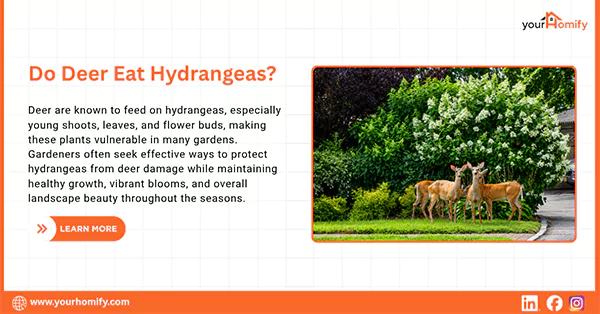
Yes, deer do eat hydrangeas. If deer regularly visit your yard, there is a good chance that they are feeding on the leaves, flower buds, and fresh new growth of your blooms. In some gardens, the damage might be minor, while at other times, you may end up losing a large portion of your plant.
As per my personal experience, hydrangeas are not always a deer’s first choice, and the good news is that there are several simple yet effective ways to protect your plants.
Why Are Deer Attracted to Hydrangeas?
Keeping deer away from hydrangeas can be challenging due to their appealing nature, particularly the fresh and tender growth of the flowers. While they feed on many different plants, these woody ornamental shrubs are easy to reach and feed on.
Here is a list of what I feel could be the possible reasons why deer are attracted to Hydrangeas.
- Tender New Growth: The soft leaves and young stems that grow in spring are one of the biggest reasons deer feed on hydrangeas. These parts of the bloom are easier to chew and contain more moisture than the old growth.
- Nutritious Leaves and Buds: Hydrangea leaves and new flower buds consist of nutrients that deer need. Deer are always on the lookout for food sources that help them in growth and provide energy for a longer duration, and hydrangeas offer exactly that.
- Easily Accessible: Usually, these blooms are planted in an open garden bed, as border cover flowers, or along the walkways. Since hydrangeas are low-growing blooms and always at a browsing height, deer can easily feed on them without much effort.
- No Strong Smell or Texture: Some plants naturally deter animals and other species with their strong scent, fuzzy leaf structure, or prickly stems. Hydrangeas, on the other hand, do not have any pungent fragrance, making them easier and more appetizing for deer.
- Limited Availability of Food: Deer usually feed on these blooms when their natural food sources become scarce. Hydrangeas can thrive during dry periods and harsh weather conditions, which makes them a perfect food alternative.
I feel that understanding why deer are attracted to hydrangeas can make it easier for you to protect them. By taking appropriate steps, you can eventually reduce the damage and maintain the appearance of your garden flowers.
Signs That Deer Are Eating Your Hydrangeas
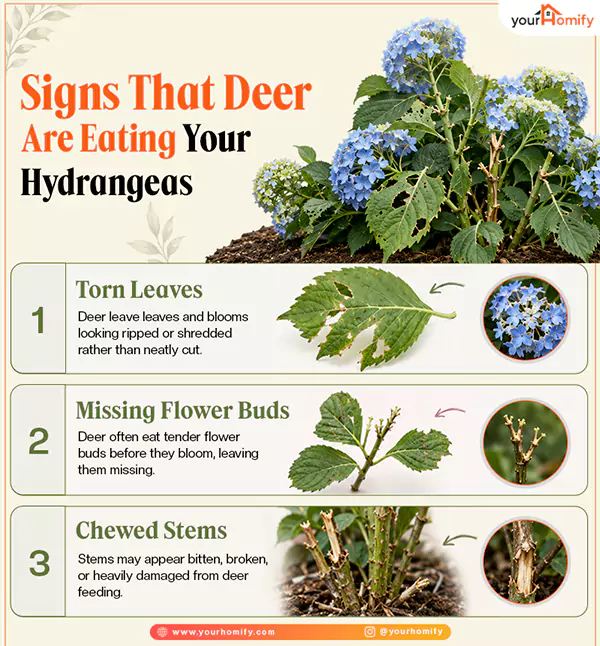
If you suddenly notice torn leaves or damaged stems, deer may be the reason. Unlike most animals, deer do not have upper incisors, so they typically feed on any plant by tearing them apart, leaving behind clear cues.
Here are some signs that can help you identify that deer are eating your healthy hydrangeas.
- Torn Leaves: Deer usually feed by tearing the leaves and petals of the flower. Do not make clean cuts; instead, make the bloom look shredded or ripped.
- Missing Flower Buds: This is one of the most frustrating indications of deer eating hydrangeas. Ever noticed that your flower buds are gone before they even have a chance to bloom fully? Deer frequently eat buds because they are the most tender and nutritious part of the plant.
- Chewed Stems: Hydrangea stems may appear broken or bitten off since they are heavily chewed by deer. This sign is quite noticeable, and this may also rip the plant from its base.
If your hydrangeas appear healthy one day and look damaged the next morning, it means they have gone through nighttime deer browsing, as they are most active during dawn and dusk. The sooner you understand the signs, the sooner you can protect your blooms from the damage.
Can Hydrangeas Recover After Deer Damage?
Yes, hydrangeas can recover after deer damage. These shrubs are generally resilient and can produce new leaves and buds even after being chewed on. However, how well they recover depends on the severity of the damage.
If the damage is minor, the flower can heal itself quickly. With proper care and protective measures, the bloom can bounce back with new leaves and flourishing buds. On the other hand, if a large section of Hydrangeas has been chopped off, they may take longer. I prefer removing the dead parts and adding plant nutrition to the soil for a healthy growth rate.
Also, even if the plant has survived, if it is an old wood variety, you may see fewer blooms that season. These may produce blossoms the following year. I was lucky that my garden had new wood hydrangea varieties, and they had buds as per the season’s growth.
Deer damage can be frustrating, but this does not always mean that the flower cannot be recovered. With proper care and protection, most species can regrow and fully flourish.
How To Protect Hydrangeas From Deer?
If you are living in a deer-prone region and have hydrangeas or other flowers in your front lawn, taking preventive measures and protecting them can save you a lot of frustration. Here are some personally tested strategies that can reduce deer damage and help your garden stay healthy.
- Install a Fence: This is one of the most effective ways to keep deer away from hydrangeas. Make sure that the fence is at least 7-8 feet tall, as deer can jump surprisingly high.
- Using Deer Repellants: As much as I enjoy seeing wildlife around my garden, I also want my striking hydrangeas to stay in one piece. Using deer repellants can make them less appealing as they have a strong and pungent fragrance and taste unpleasant, which repels the deer from chewing on them.
- Planting Deer Resistant Companions: For a flora lover like me, this is a therapeutic hack. What’s better than having more stunning flowers in my backyard? Plants such as rosemary, white sage, and daffodils are often less attractive to deer.
- Covering Young Plants: As has been mentioned earlier, newly planted hydrangeas are especially vulnerable due to their tenderness and moisture. I use net cover and garden cages, specifically at night, to avoid deer browsing.
- Regular Monitoring: I know this can be tiring, but sometimes deer get accustomed to your preventive methods, and you may need to monitor if the measures are actually working or not.
It is important to keep your hydrangeas healthy so that they can heal quickly. Consistent watering, mulching around the base, and mixing nutrient-rich plant food into the soil can help your bloom remain strong throughout the growing season.
Are There Any Deer-Resistant Hydrangea Varieties
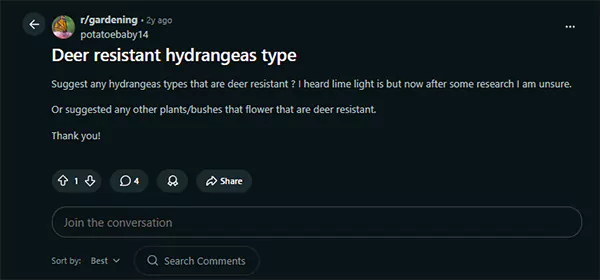
It is true that there are no deer-resistant Hydrangea varieties, but some cultivars experience less damage than others. Furthermore, I have come across many novice gardeners on forums who keep asking about deer-resistant Hydrangea varieties, so I have put together a short list for your reference.
1. Oakleaf Hydrangea (Hydrangea quercifolia)
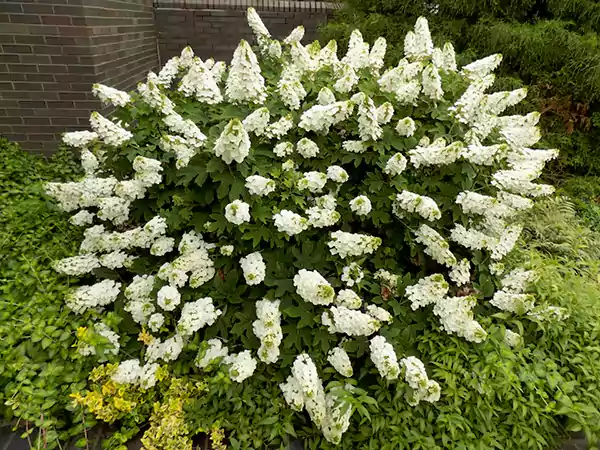
Oakleaf Hydrangea is a beautiful native shrub known for its cone-shaped flowers and stunning fall shades. It is considered one of the most deer-resistant varieties of the genus.
2. Bracted Hydrangea (Hydrangea involucrata)
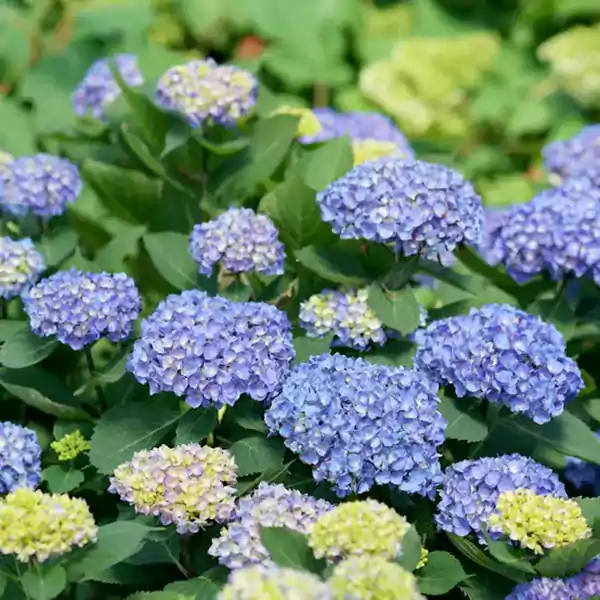
Bracted Hydrangea is a unique type that produces flowers surrounded by decorative bracts. Since it blooms quite late in the season, it is largely not noticed by deer because of the early-blooming food sources available to them.
3. Climbing Hydrangea
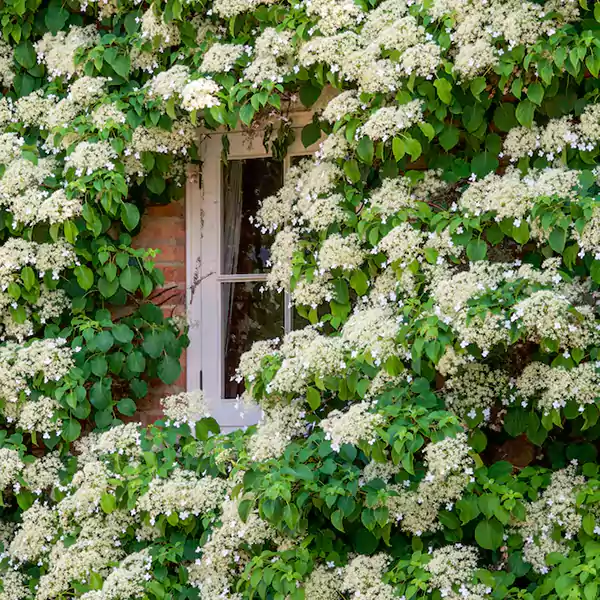
Although climbing hydrangeas are not completely deer-proof, they are considered more resistant than many other types. As the plant matures, it develops thick, woody stems that are less appealing to the animals in comparison to the soft and tender growth.
4. Limelight Hydrangea
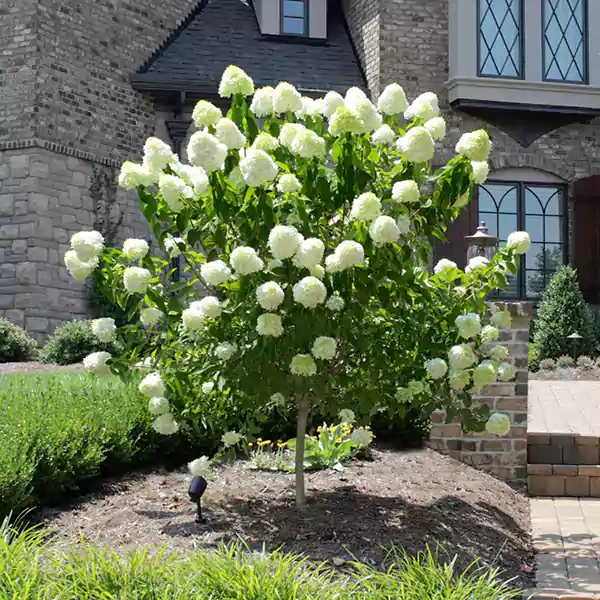
Limelight Hydrangea bears large flowers with sturdy stems and slightly fuzzy leaves, which may make it less flavorful to the deer. It grows best in full sunlight and can be easily maintained once fully established.
If deer browsing is a serious problem in your area, it is best to go for protective measures. Adding fencing and companion plants that deter wildlife would be an ideal solution.
Conclusion
So we have learned that deer and Hydrangeas dont always make the best combination, and it can be exhausting growing them if you are living in a deer-prone region. But this does not mean that you have to give up on growing them. With proper preventive measures like fencing, deer repellants, and temporary plant covers, you can witness them flourishing season after season.
To sum up, with little planning and regular monitoring, you can enjoy these colorful blossoms. Make sure that you are giving your plant a healthy growing environment so that it can recover quickly from any kind of damage.
FAQs
How do I keep deer from eating my hydrangeas?
To keep deer away from your hydrangeas or any other plant, using physical barriers, deer-repellant sprays, and deer-resistant companion plants can be some of the effective measures.
Which Hydrangea variety is the most deer-resistant?
Though there is typically no such deer-resistant hydrangea variety, the Bracted cultivar of the species is the least attractive to these animals because of their fuzzy leaves and hardy stem structure.
What is the most deer-resistant flower?
Lavender, Russian Sage, Daffodils, Rosemary, and Bleeding Heart are some of the most deer-resistant flowers because of their toxic nature.
Will Hydrangeas grow back if eaten by deer?
Yes, the bloom is most likely to recover and grow back if proper care is given. Add nutrient-rich plant food to the soil for optimal development, and you will notice flourishing blossoms next season.
Where should you not plant Hydrangeas?
Hydrangeas should not be planted in areas with scorching direct sunlight, clayey, or waterlogged soil. These can damage the leaves and result in stunted growth of the flower.
- Oakleaf Hydrangea – NC State Extension Paper
- Hydrangeas – Chicago Botanic Garden