Indoor gardening sounds simple on paper: add plants, add light, add water, wait for salad. In reality, high yields come from getting dozens of small decisions right, from plant selection and lighting to airflow and feeding. The good news is that indoor growing gives you something outdoor gardening never fully can: control.
As horticulturist Luther Burbank once said, “Flowers always make people better, happier, and more helpful; they are sunshine, food and medicine to the soul.” Indoor gardening brings that same reward indoors, but if you want more than a few surviving herbs on a windowsill, you need a system built for productivity.
Whether you’re growing basil in a spare room, lettuce under LEDs, or peppers in a grow tent, the path to better harvests is the same: choose the right crops, dial in the environment, and remove the bottlenecks that limit growth. Here’s how to turn an indoor garden from “it’s alive” into “why do I suddenly have too much spinach?”
KEY TAKEAWAYS
- Start with indoor-friendly crops like leafy greens, herbs, cherry tomatoes, and dwarf peppers to improve your odds of strong harvests.
- Make the environment by optimizing light, temperature, humidity, airflow, and watering consistency.
- Healthy roots and steady feeding matter just as much as lighting, especially in containers and controlled indoor systems.
- Track what works so you can refine your setup over time and turn decent harvests into consistently high-yield ones.
Start with the Right Plants
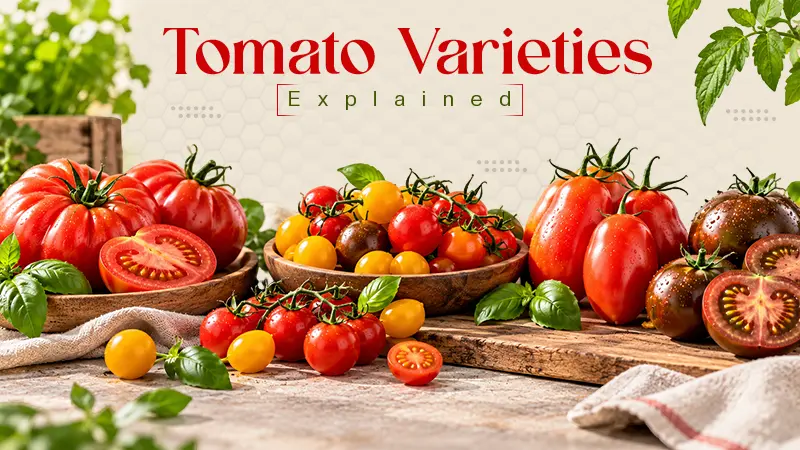
Not all plants perform equally well indoors, and choosing the wrong crop can make your setup work much harder than it needs to. Varieties that are naturally suited to controlled environments can make a substantial difference in yield. Leafy greens such as lettuce, spinach, and kale thrive indoors, while herbs like basil, parsley, and cilantro grow vigorously under artificial lighting. Compact vegetable varieties, including cherry tomatoes and dwarf peppers, are also excellent choices for indoor cultivation.
Optimize Lighting Conditions
Light is one of the most critical factors affecting plant growth and yield. Since indoor plants rely on artificial light, investing in high-quality LED grow lights can dramatically improve results. Research shows that LEDs reduce the production cost of vegetables in the long run of several years, due to:
- High energy efficiency
- Low maintenance cost
- Longevity of LEDs
Position lights at the recommended distance from plants and provide 12–16 hours of light daily, depending on the crop. Regularly adjust the height of lights as plants grow to ensure consistent exposure.
Maintain Ideal Temperature and Humidity
Plants may not complain out loud, but they definitely notice when the room feels like a sauna one day and a refrigerator the next. Most indoor crops thrive in temperatures between 65°F and 80°F (18°C–27°C). Extreme fluctuations can stress plants and reduce productivity. Similarly, maintaining proper humidity levels helps prevent issues such as stunted growth, mold, and pest infestations. A hygrometer can help monitor humidity, while fans and humidifiers can be used to create a stable growing environment.
Use High-Quality Growing Media
Healthy roots are essential for maximizing yields. Whether using soil, coco coir, or a hydroponic system, ensure that the growing medium provides adequate drainage, aeration, and nutrient retention. High-quality media encourage strong root development, enabling plants to absorb water and nutrients more efficiently.
Feed Plants Consistently
Nutrient management plays a crucial role in plant productivity. Indoor plants depend entirely on the nutrients provided by the gardener. Use a balanced fertilizer appropriate for the crop and growth stage. Leafy greens often require more nitrogen, while flowering and fruiting plants benefit from increased phosphorus and potassium. Following a consistent feeding schedule helps prevent deficiencies and supports vigorous growth.
INTERESTING STAT
Plants in automated hydroponic systems grow 30-50% faster than in traditional soil gardens.
Maximize Space with Vertical Growing
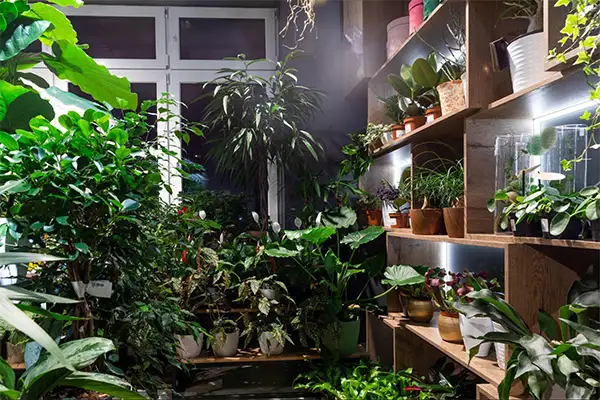
Limited indoor space can restrict production, but vertical gardening techniques allow growers to increase plant density without expanding their footprint. Shelving units, hanging planters, and tiered growing systems enable multiple layers of cultivation, effectively multiplying potential yields within the same area.
Improve Air Circulation
Still air is one of those problems you don’t notice until plants start acting strange. Poor airflow can lead to:
- Weak stems
- Lingering moisture
- Hot spots
- Fungal issues
Good airflow strengthens plant stems, reduces disease pressure, and helps regulate temperature and humidity. Oscillating fans create gentle air movement that mimics natural outdoor conditions. If you are growing in an enclosed environment, proper ventilation in grow tent systems can help prevent heat buildup and reduce excess moisture.
Prune and Train Plants
Strategic pruning directs a plant’s energy toward productive growth. Removing dead or overcrowded foliage improves light penetration and airflow throughout the canopy. Training techniques such as topping, trellising, and low-stress training can further increase yields by encouraging more flowering or fruiting sites.
Monitor Watering Carefully
Overwatering is one of the most common mistakes in indoor gardening. Too much water can lead to root rot and nutrient imbalances, while underwatering can stunt growth. Monitor soil moisture regularly and water according to each plant’s needs. Automated irrigation systems can help maintain consistency and reduce human error.
Stay Ahead of Pests and Diseases
Indoor gardens are not immune to pests and diseases. Regular inspections allow gardeners to identify problems early before they affect yields. Maintaining cleanliness, removing infected plant material, and using organic pest control methods can help protect crops without introducing harmful chemicals into the growing environment.
Track and Adjust
The most productive indoor gardeners don’t just grow plants, they run experiments. If you’re not tracking what changes from one cycle to the next, it’s much harder to know why one harvest thrived and another merely existed.
Successful indoor gardening is an ongoing process of improvement. Record lighting and watering routines, nutrient applications and harvest results. Analyzing this data can reveal patterns and opportunities to refine growing practices for even greater productivity.
Conclusion
Maximizing indoor garden yields isn’t about one magic product or a single “hack.” It comes from stacking the basics in your favor: better plant choices, stronger lighting, stable environmental conditions, healthy roots, smart feeding, and consistent maintenance.
By creating optimal growing conditions and continuously fine-tuning your approach, you can transform a small indoor space into a highly productive garden that delivers fresh, healthy harvests throughout the year.
FAQs
What is the most important factor for increasing indoor garden yields?
Lighting is usually the biggest factor because indoor plants depend entirely on the grower for light intensity and duration.
Which plants produce the best yields indoors?
Leafy greens like lettuce, spinach, and kale are some of the highest-yielding indoor crops.
How many hours of grow light do indoor plants need?
Most indoor edible crops need 12 to 16 hours of light per day, though the exact amount depends on the plant.