Smart and healthier home projects are not always the ones that include costly renovations and features. But in today’s design landscape, where a variety of options and alternatives are available, making the right choices is what creates a healthier space.
The rest of the usable functionality depends on choosing the features that actually align with your daily routine and support a smooth living.
Keep reading to learn how you can also create a home that supports a healthier everyday life.
Key Takeaways
- Comfort is usually the result of removing daily friction. Small distractions may seem inefficient till the time they are removed, improving comfort.
- The most considerable home upgrades effectively improve how you live, not just whether others like its beauty. Functionality serves better results than appealing changes.
- Thoughtful changes can positively affect the routine habits by making the space feel more welcoming and through better use of space.
Small Changes Usually End Up Mattering The Most
People choose to imagine home improvement as something big — full renovations, major upgrades, costly changes. But in reality, that’s not where most of the variety comes from.
It’s usually smaller things that pile up over time. A space that includes better natural light feels more beneficial without any effort. A slightly higher airflow makes the house feel less hefty. Even something as simple as shifting a few objects around can remove small daily disturbances you’ve got used to without realising.
At first, it feels subtle. Later, it just feels like the space works more efficiently.
The Way a Home Is Arranged Quietly Shapes Behavior
It’s easy not to think about this, but your surroundings affect what you do more than you realize.
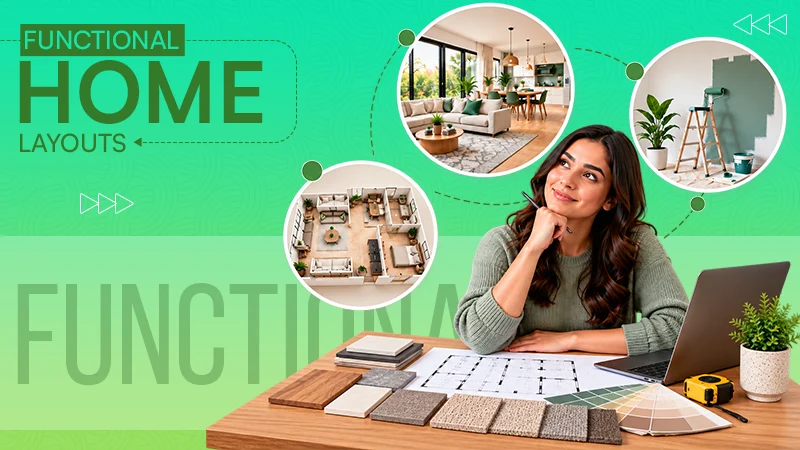
If the kitchen layout feels natural, you wind up cooking more often. If there’s a comfortable place near a window, you’ll sit there without being forced to. If the space near the doorway isn’t chaotic, leaving the house feels less challenging.
Also, learn tips and tricks to remove vinyl and painted wallpapers – a common problem for homeowners.
Nothing about this feels thoughtful at the moment, but over time, it becomes part of your habit.
Changing Your Home Often Changes Your Mindset Too
When people start modifying their home, it’s rarely just about the exterior space. There’s usually a change in how they think about comfort and dependability in general.
You start paying more regard to how things hold up over time, not just how they look right now. Less focus on fast fixes, more on things that make life feel steady and simpler.
That same style of thinking sometimes moves beyond the home itself. For some households, understanding options like ACA marketplace plans becomes part of that more general solution to planning and making sure there is a framework in place for future healthcare needs.
Comfort Is Mostly Something You Don’t Notice Directly
The things people focus on first are usually the visual ones — colors, furniture, layout changes. But that’s not strictly what describes comfort long-term.
Comfort chooses to sit in the background. Light that feels natural instead of cutting-edge. Air that feels solid throughout the day. Storage that neatly keeps things in order without much effort.
When those parts are working, you stop paying glances to them entirely. And that’s usually when a place starts feeling right.
Homes Don’t Stay Fixed, And They Don’t Need To
A home evolves along with the ones living in it. What exists today might not work the same way in a few years.
Rooms shift their intent. Habits change. Even small lifestyle shifts can affect how space gets used.
The most helpful homes are usually the ones that can adapt without calling for constant major updates.
When Life In a Space Feels Easy, That’s the Real Outcome
Good home upkeep isn’t something you keep thinking about once you finish.
You just move through the space without getting stuck. Things feel more natural. Small disputes disappear in the background.
At some point, you feel like the space isn’t something you have to take over anymore — it just works with you.
Also, for a better execution, learn ways to calculate subtle aspects, such as bricks and those needed for a project.
Conclusion
At the end of the day, the most effective and executive home improvement is rarely the one that keeps demanding, but rather makes things smoother and easier. When the home is served with the right purpose that matches your life, supports everyday living and feels comfortable – home actually feels like ‘home’.
This way, whether it is about a small change or slowly upgrading the various sections of the home, every thoughtful decision counts.
FAQs
Is it necessary to add large renovations to make the home healthier?
Not at all. Simple improvements of lighting and proper ventilation can also be combined to create major effects.
Which home improvements have the major impact?
This depends more on finding the solutions that fit into the daily routine and have a considerable impact, such as improving light.
Can a home layout affect routine habits?
Yes, a better home layout can encourage healthier habits, lower stress, and make everyday life activities smoother.