


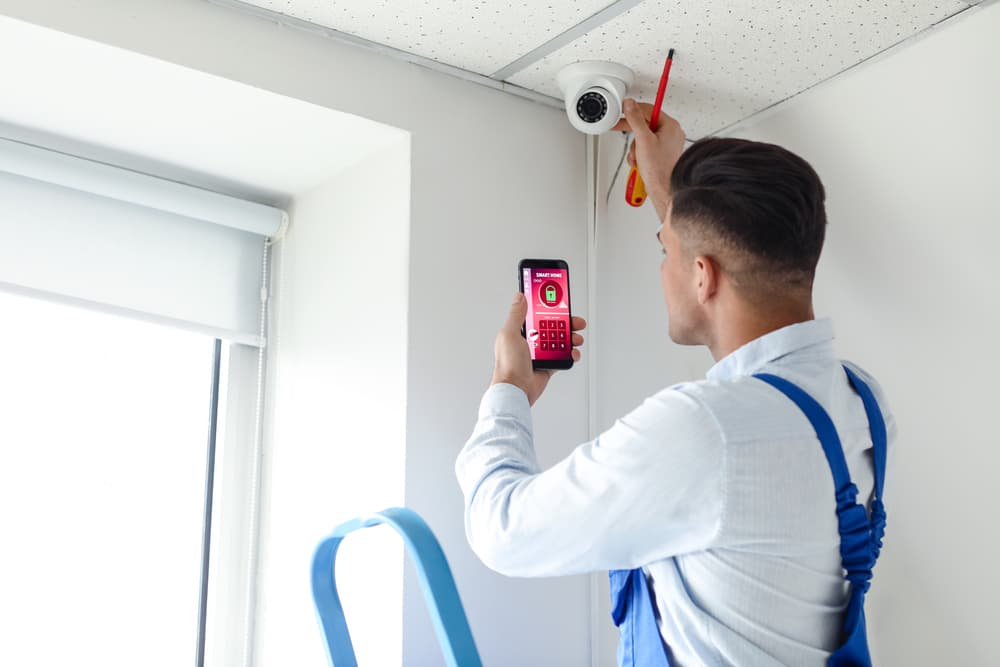
Many smart devices in your home promise control and convenience, but they don’t actually run themselves all the time. Software becomes outdated, sensors break down. Smart homes that make the most of these systems are precisely the ones that have someone constantly monitoring them.
This is why preventive maintenance is of paramount importance. It’s a practice used in many industries and hotel maintenance programs to detect minor issues before they become too expensive to fix or replace.
This article highlights the necessity of preventive maintenance in a smart home and how it enhances the comfort and safety of the house.
Key Takeaways
- Preventive maintenance means checking and servicing systems consistently, allowing you to maintain the condition of your gadgets
- Small, overlooked issues eventually transform into huge problems that choke all processes
- Regular maintenance enables you to enjoy a seamless experience that you paid for in the first place. Systems work quietly, reliably, and almost invisibly while you go about your day
- The difference between a smart home that runs seamlessly and one that drains both: your mental peace and your wallet.
What Preventive Maintenance Looks Like in a Smart Home
Although preventive maintenance appears complicated at the surface level, to put it simply, it means checking and servicing systems consistently. In smart homes, this might include:
- Updating the software on cameras, thermostats, smart locks, and connected hubs.
- Testing smoke detectors weekly or monthly.
- Regularly cleaning the dust from HVAC filters and smart vents.
- Replacing remote and sensor batteries every few months.
- Resetting or reconfiguring devices with missing commands.
- Checking Wi-Fi signals in areas where devices keep going offline.
Running these schedules isn’t complicated. But they’re easy to forget, especially once a system is working and becomes a part of everyday routine.
Why Reactive Maintenance Costs More Than It Should
It’s understandable why homeowners tend to wait until something breaks down. The whole “don’t fix it if it isn’t broken” seems cheaper in the moment, since you aren’t spending time or money on an issue that doesn’t even exist.
That said, reactive fixes almost always cost a lot more as time passes, and not just monetarily. A leak sensor with outdated software may miss a pipe leak alert that would’ve stopped your kitchen floor from flooding.
A smart lock with a dead battery might lead to the gate not opening while you’re waiting outside. A security camera that disconnected from the Wi-Fi weeks ago isn’t protecting anything, and you’ll never know until someone breaks in and you’re left struggling to find the footage.
This is the same process facility managers deal with, only at a larger scale. Small, overlooked issues eventually transform into huge problems that choke all processes. A software update might take a few extra minutes, but an apartment break-in poses a much bigger problem.
Did You Know?
Smart thermostats prevent machinery strain. They reduce the workload on your HVAC system, extending its life and maximizing energy efficiency. This is why it’s essential that your thermostat works perfectly in the first place.
It’s Also About Maintaining Comfort and Safety
Preventive maintenance in smart homes isn’t just for avoiding costly breakdowns. It also ensures that your home gives you the safety and comfort it’s supposed to.
A smart thermostat without regular maintenance might affect your HVAC system and increase your total energy bills.
Similarly, a smart lock on your gate that keeps failing is a security blind spot that may leave your home unprotected. These smart devices are designed to give you peace of mind. Without proactive monitoring, they just become a continuous headache.
Plus, there’s an emotional aspect to this. You invest in smart systems to feel more in control of your home, not less. Devices that constantly break down undermine that sense of control.
Regular maintenance enables you to enjoy a seamless experience that you paid for in the first place. Systems work quietly, reliably, and almost invisibly while you go about your day.
Following a Simple Maintenance Routine
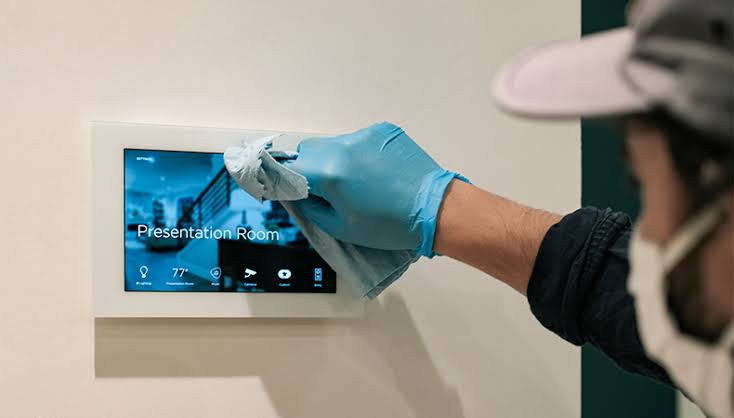
Hotels might need a dedicated facility division to keep things running. As a homeowner, you don’t. A basic preventative maintenance routine is good enough to take care of your smart home technology. Here’s a simple way to begin:
- Monthly Routines: Every month, check the sensors and alarms, look for firmware updates, and check their battery levels.
- Quarterly Checks: HVAC filters and vents must be cleaned quarterly (many take the assistance of professionals for this). Check Wi-Fi coverage and make sure that all the cameras are working as intended.
- Yearly Maintenance: Once a year, take a good look at your entire device inventory. Check what’s working and what isn’t; update anything that’s outdated and see if your hubs require an upgrade to support newer devices.
Most smart home systems have a dedicated app to set reminders and run most of these checks.
You can also set reminders to effectively track maintenance timelines and stay right on top of your schedule. Consistency is the goal here, not perfection.
The Final Takeaway
Most of the time, a smart home becomes all about what it can do. Homeowners are made to look at automatic lighting, remote door locking, and systems that learn their living patterns. What gets less attention, but should get more, is the upkeep that ensures those features work reliably every day.
That gap is exactly where preventive maintenance fits in. Checking devices and keeping firmware updated isn’t the most glamorous task, but it’s the difference between a smart home that runs seamlessly and one that drains both: your mental peace and your wallet.
FAQs
How can I establish a simple maintenance routine?
The following are the three ways that allow you to set a routine:
- Monthly checks
- Quarterly routine clean-ups
- Yearly maintenance
Why is reactive maintenance not recommended?
Reactive maintenance fails to identify problems at early stages, and when the issue does become clear, till then the damage has already exceeded quite a bit, forcing expensive repairs.
What does preventive maintenance look like in smart homes?
In smart homes, preventive maintenance includes:
- Updating the software on cameras, thermostats, smart locks, and connected hubs.
- Testing smoke detectors weekly or monthly.
- Regularly cleaning the dust from HVAC filters and smart vents.
- Replacing remote and sensor batteries every few months.
How do I decrease my total energy bill?
To decrease your total energy bill, ensure that all your smart thermostat devices are working properly and HVAC systems are in top condition.



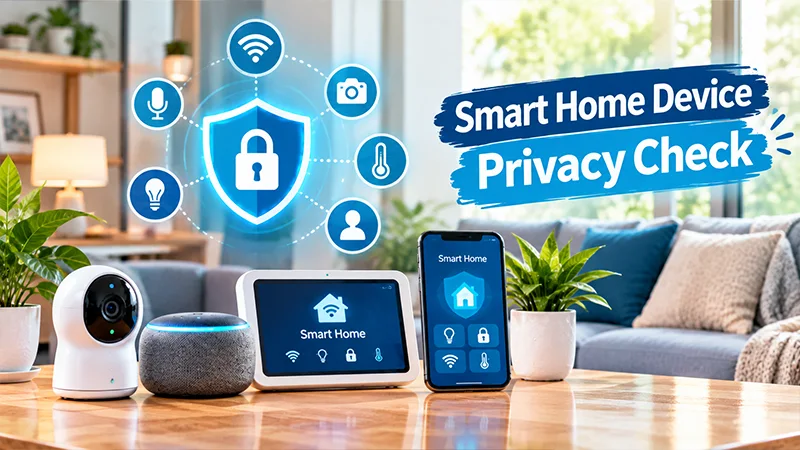
Smart-Home Privacy Check to Do Before You Connect a Device
[…] Smart-home privacy is much easier to maintain when it’s a small household habit instead of a major project. […]