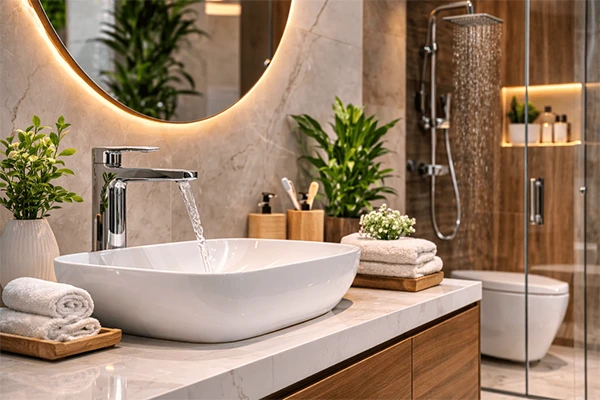
Few areas in the home are as undervalued as bathrooms. They might just be seen as purely functional, yet they shape your daily life more than you realise. With the right fixtures, your routine can transform from being ordinary to enjoyable. But with so many options available, it’s easy to feel overwhelmed.
This is why it’s essential to set clear criteria before you head out to shop for fixtures, making the process a lot simpler and rewarding. It’s also important to consult professional plumbers in Dunedin early to save you from structural headaches later on.
Let’s take a look at what these criteria are and how they influence the choices you make when considering buying new bathroom fixtures.
1. Water Pressure Compatibility
Before you choose any new bathroom fixture, you need to know what kind of water pressure system your house relies on. Many New Zealand homes, especially older builds, operate on low-pressure or unequal-pressure systems, and this can directly affect how well a tap, mixer, or shower head performs.
The last thing you want is to purchase a non-compatible fixture that does nothing but add to your frustration. Manufacturers usually label their packaging, indicating whether a fixture suits all pressures or mains pressure only. Checking these details first can help avoid expensive mistakes and unnecessary returns.
2. Material Quality and Durability
Bathroom fixtures deal with constant daily use, moisture, heat, and cleaning products, so durability should be a top priority. Materials like solid brass, stainless steel, and ceramic are generally known for their durability, holding up better over time than cheaper plastic-based alternatives. Imagine the frustration of a tap handle breaking after just a year. It’s simply not worth the hassle.
Durable fixtures also retain their appearance better as well, resulting in fewer scratches, chips, or tarnishing over the years. While higher-quality products are usually accompanied by a higher upfront cost, they can save you money and frustration by reducing the need for early replacements and repairs.
3. Water Efficiency Ratings
How much water do you think disappears down the drain every time you shower? The answer might surprise you, and it’s why water efficiency is an important consideration. With growing awareness around sustainability and rising utility costs, choosing fixtures that conserve water is both eco-friendly and budget-friendly. In New Zealand, the Water Efficiency Labelling Scheme (WELS) makes comparison easy. The star rating tells you at a glance how efficiently a product uses water: the more stars, the better.
Selecting a three-star showerhead or a modern dual-flush toilet, for instance, can lead to reduced consumption, thereby lowering bills without compromising on comfort. It’s a simple way to reduce household water usage and helps the environment while keeping ongoing running costs manageable.
4. Ease of Cleaning and Maintenance
A recent survey by House Digest found that cleaning the bathroom is the most hated household chore. That’s why choosing fixtures that simplify the job is worth every cent. Instead of solely focusing on aesthetics, think about practical design choices that make maintenance less taxing.
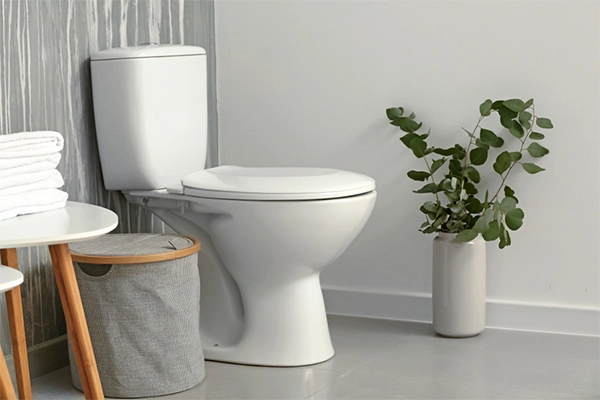
Smooth surfaces, minimal crevices, and finishes that resist water accumulation or fingerprints all reduce the effort needed during cleaning. Wall-mounted taps and toilets add another layer of convenience, making it simpler to mop floors without needing to try manoeuvres awkwardly. Some modern coatings even repel grime, thus cutting down significantly on scrubbing time.
When fixtures are easy to clean, your bathroom stays hygienic with less effort, and you spend more time enjoying the space rather than maintaining it.
5. Visual Appeal and Practicality
A beautiful bathroom must also serve the functional needs of the people using it. The ideal balance between aesthetics and day-to-day practicality looks different depending on whether you are designing a private master ensuite, a busy family bathroom, or a compact guest powder room. Think carefully about who will utilize the space, helping you prioritize the features that matter most.
For instance, if you have young children or family members with limited mobility, ease of use becomes especially important. Single-lever mixer taps are generally easier to operate than separate hot and cold knobs, making everyday use more convenient. In showers, a slide rail setup with a detachable handpiece adds flexibility, whether you are washing a child’s hair or rinsing down the enclosure during your weekly clean. Striking the right balance between looks and practical features helps create a bathroom that feels thoughtful, comfortable, and practical for everyday life.
6. Installation Requirements
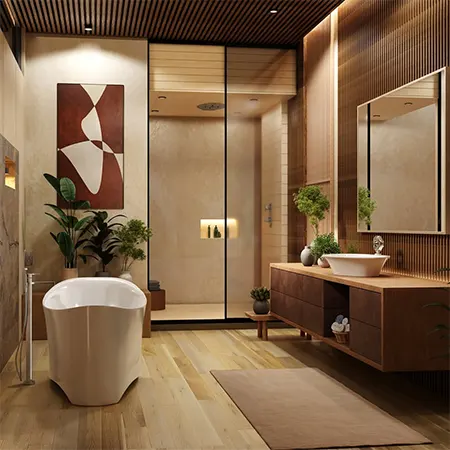
A fixture may technically align with your bathroom while still creating installation discrepancies behind the scenes. Wall-mounted tapware, freestanding bathtubs, and rainfall showers often require extra plumbing adjustments that inflate labour costs.
That doesn’t mean you should avoid these options altogether. Instead, it helps to understand the practical side before purchasing. Measuring carefully and reviewing installation specifications can prevent unpleasant surprises later in the renovation process. In some cases, choosing a slightly different fixture style can simplify installation considerably while still achieving the look you want. In the end, flexibility often helps keep renovation budgets under control.
Conclusion
Bathroom fixtures may seem like small details individually, but together they shape how comfortable, functional, and pleasing the space feels every day.
So, instead of rushing through the selections, take the time to think in a practical way about how each fixture will perform in your home.
A bathroom that still feels functional and visually appealing after a long time is usually the result of thoughtful planning and decisions made right at the beginning.
FAQs
How can I identify if a bathroom accessory is suitable for my water pressure?
Look for packaging or specifications that state that the item is compatible with “All Pressures” or “Mains Pressure Only”.
What materials work best for long-lasting bathroom tapware?
Materials like solid brass, high-quality stainless steel and ceramic disc cartridges can withstand corrosion, damage and leaks better than plastic.
What does WELS rating mean?
The Water Efficiency Labelling Scheme (WELS) applies star ratings to show how well an accessory operates in terms of water efficiency, which means that the more stars it has, the more water-efficient it becomes.
Why are wall-mounted fixtures easy-to-clean objects?
The fact that wall-mounted toilets and faucets keep the sinks and the floor free enables easy cleaning without having any gaps to deal with.