


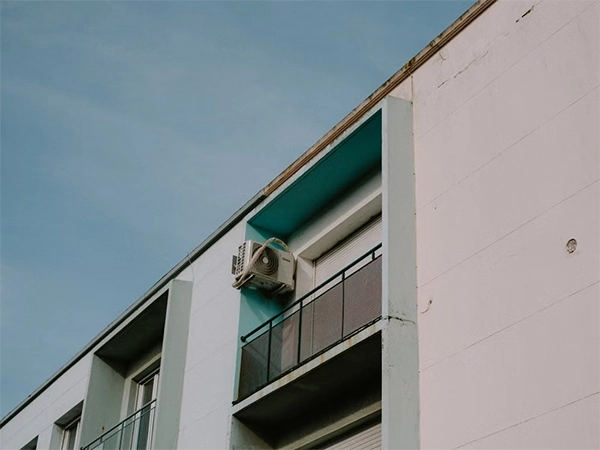
Summer has a nasty way of transforming your house into a toaster oven when your AC starts malfunctioning, leading to problems that could go even worse if the right steps are not taken.
The great news is that you don’t need to be a repair expert to identify problems early. You just need to make smarter choices. If you pay attention to the warning signs, handle a few easy checks, and know when to call for help, allowing to stay cool and comfortable for the whole season.
Here’s how you can give your AC a little kindness before it decides to take a dramatic vacation.
Catch Problems Early
When your air conditioner starts slipping, it usually doesn’t fail all at once. It gives you clues first. Maybe the living room feels muggy by lunch, or maybe the bedroom never quite cools down. Those little changes matter.
If your system keeps running longer than usual, it may be struggling to keep up. That can raise your energy bill and wear out parts much more quickly. In many cases, getting local AC repair services before the problem grows helps you avoid a complete breakdown during the hottest week of the year. Timing matters more than people think.
You should also trust your routine. If your home normally cools quickly and suddenly doesn’t, something has changed. Waiting too long often turns a smaller issue into a bigger, more expensive one. Your AC may be cool, but it’s not great at suffering in silence.
Know the Warning Signs
Some AC warning signs are very easy to overlook because they seem harmless at first. Weak airflow is a common one. If air is making its way through the vents but barely moving further, your system may be having trouble pushing cool air where you need it.
Warm air is another obvious red flag. If the thermostat says one thing and your face says another, pay attention. Strange noises also matter. Banging, buzzing, rattling, or squealing usually means something isn’t happy in there.
Then there are smells. A musty odor can point to moisture issues. A burning smell can mean electrical trouble. Neither deserves the “maybe it’ll fix itself” treatment.
Watch your bills too. If your usage habits haven’t changed but your cooling costs jump, your AC may be working overtime. Homes often give you a full set of hints before a problem gets serious. You just have to notice the clues before your house starts feeling like a baked potato.
Check Simple Fixes First
Before you stress out, there are a few simple things you can check on your own. Start with the thermostat. Make sure it’s set to cool and that the temperature is lower than the current room reading. It sounds basic, but simple mistakes happen all the time.
Next, look at the air filter. A dirty filter can block airflow and make your system work much harder than it should. If it looks dusty or clogged, replace it. This small step can make a surprising difference.
Take a walk through your home and check the vents. Make sure they aren’t getting blocked by rugs, furniture, toy boxes, or laundry piles. Your AC can’t function if the cool air has nowhere to go.
You should also glance at the outdoor unit. Clear away leaves, weeds, or debris around it so air can move freely. Just don’t start taking things apart. If the easy stuff doesn’t solve the issue, that’s your cue to stop playing detective and call a pro.
Help Your AC Work Less
One of the smartest ways to avoid repairs is to reduce how hard your AC has to work. Start with sunlight. Closing blinds or curtains during the hottest part of the day keeps rooms noticeably cooler. South-and west-facing windows are usually one of the biggest heat magnets.
Fans can help too. They don’t lower the room temperature, but they move air around so you feel cooler. That means you may be comfortable setting the thermostat a little higher without feeling like you’re melting into the couch.
Check for drafts around doors and windows. Warm air sneaking in makes your AC run longer. Weather stripping or a simple door sweep can help more than you’d expect.
You can also shift heat-making chores to cooler hours. Running the oven, dryer, or dishwasher in late afternoon adds extra warmth indoors. If you save those jobs for the evening, your AC gets a bit of a break. Even your cooling system appreciates a lighter workload now and then.
Choose Help Wisely
When it’s time to call for help, don’t wait until your house feels like a greenhouse with furniture. During a heat wave, repair schedules get booked fast. Reaching out early gives you more options and reduces stress.
Look for a company with solid reviews, clear communication, and appointment windows that feel realistic. You want someone who explains the issue in plain language, not in mystery-machine code. Good service should make sense to you.
Ask about pricing before work starts. A trustworthy professional should be able to explain inspection fees, basic repair costs, and what might change the final bill. That doesn’t mean every job has a fixed expense, but surprise costs shouldn’t come out of nowhere.
It also helps to ask whether the issue requires immediate repair or if there are safe short-term options. Not every problem is considered an emergency, but some really are.
A reliable technician helps you understand the difference instead of pushing panic like it’s part of the service package.
Build a Cooler Routine
A comfortable summer home usually comes down to habits, not heroics. If you wait until the AC quits, you’re always reacting. If you build a simple routine, you give yourself a better shot at staying cool all season.
A good starting plan looks like this:
- Check the filter every month
- Keep vents open and clear
- Watch for changes in airflow or noise
- Clear debris around the outdoor unit
- Notice if cooling takes longer than usual
You don’t need to obsess over every tiny sound. You just want to stay aware of what’s normal in your home. That way, odd changes stand out sooner.
If your system is older, seasonal checkups can be especially helpful. They won’t guarantee a problem-free summer, but they can catch wear before it grows. In the end, keeping your home cool is a mix of paying attention, doing the easy stuff, and knowing when to get help. That’s a pretty chill strategy.
Frequently Asked Questions
What is the benefit of composites in modern aircraft?
Composites such as carbon fiber produce a lighter airframe with equal strength capabilities. This produces considerable savings in fuel, emissions, and strength in the structure permitting greater humidity levels in airplanes.
How do folding wingtips work in the Boeing 777X?
Folding wingtips are extended in the sky to get maximum aerodynamic lift capabilities but fold upwards on the ground so that the aircraft can use the same space at an airport gate.
What are eVTOL aircraft?
eVTOL stands for Electric Vertical Takeoff and Landing. These aircraft utilize electric propulsion to take off vertically in the same way as a helicopter and then fly horizontally like an airplane making it possible to produce quiet, zero-emission urban transportation.