


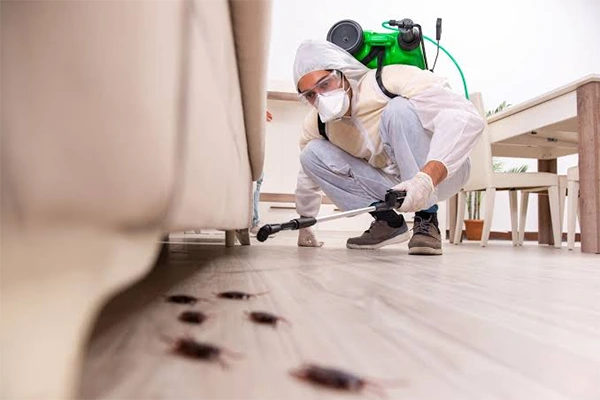
Many homeowners overlook what they consider small issues that won’t really bother them in the long run. It’s easy to assume everything is fine until the ants, termites, or rodents you saw outside the home start invading your kitchen, walls, and floor the next day.
By the time these signs become obvious, the infestation has often been growing unnoticed for weeks or even months. Regular pest inspections are one of the smartest preventive maintenance tasks you can schedule to counter such situations, allowing you to uncover hidden issues before they transform into costly problems.
This article highlights the importance of professional inspections and how they help homeowners detect the signs of infestation early.
Why Early Detection Matters
Many common household pests are tough to spot in the early stages. Termites tend to tunnel through wood from the inside, rodents stay in attics and crawl spaces, and cockroaches hide in dark, secluded areas where they go unnoticed for long periods.
The Centers for Disease Control and Prevention (CDC) recommends Integrated Pest Management (IPM), an approach that emphasizes regular inspections, identifying conditions that attract pests, and preventing infestations before they become established.
When pest activity is located early, homeowners have a better opportunity to address the issues before they spread. Acting sooner often results in more targeted treatment and helps prevent hidden damage from becoming a much larger concern.
Pest Problems Can Affect More Than Your Home
Pests affect far more than your home’s structure. Rodents contaminate food and chew electrical wiring, termites weaken wooden framing, cockroaches contribute to allergies and asthma symptoms for some individuals, and wasps make outdoor spaces difficult to use.
Regular inspections help identify these risks before they affect your home’s condition or your family’s comfort. They also make it easier to correct the conditions that attract pests, reducing the likelihood of recurring problems.
Regular Inspections Help Maintain Your Home Year-Round
A well-maintained home depends on more than repairing visible damage. It also means identifying small issues before they become expensive repairs, and pest inspections play an important role in that process.
During a routine inspection, professionals can identify:
- Gaps and cracks around doors, windows, and the foundation that pests use to enter.
- Moisture problems that attract termites, ants, and other insects.
- Damaged weatherstripping or wood-to-soil contact that increases pest risks.
- Early signs of pest activity that may not yet be visible to homeowners.
Addressing such issues early helps greatly reduce the likelihood of infestations while also supporting the long-term condition of your home. By making pest inspections part of your maintenance routine, you stay ahead of potential problems before they become difficult and costly to manage.
Did You Know?
Termites never sleep and can chew wood 24 hours a day without you hearing a sound.
Professional Inspections Provide a More Complete Assessment
Even homeowners who take excellent care of their property can overlook subtle signs of pest activity. Professional inspectors know where pests commonly hide and understand the early warning signs that are easy to miss.
Homeowners looking for reliable Control Tulsa services can benefit from routine inspections that identify potential concerns before they require extensive treatment. Thrive Pest Control provides inspection and treatment services designed to help homeowners protect their properties through proactive pest management.
Having your property inspected by an experienced professional offers added confidence that hidden pest activity and potential entry points are being identified before they become more serious issues.
Inspections Can Save Money Over Time
Waiting until pests cause visible damage usually leads to higher treatment costs and increasing repair expenses. Structural repairs, damaged insulation, and repeated treatments can quickly turn costly if an infestation is allowed to develop.
Routine inspections focus on prevention by identifying vulnerabilities before significant damage occurs. Investing in regular inspections is often far more affordable than dealing with emergency pest treatments and the repairs that can follow.
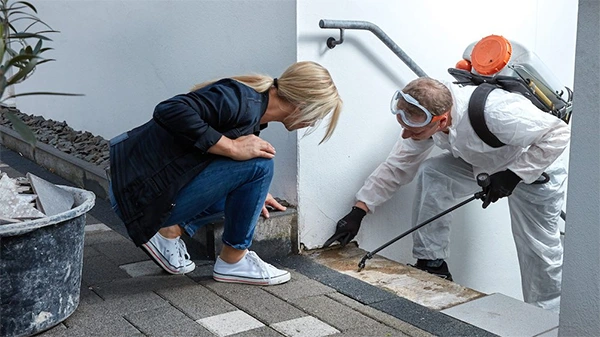
Signs It’s Time to Schedule a Pest Inspection
While routine inspections are an important part of home maintenance, there are times when you shouldn’t wait for your next scheduled visit. Consider arranging a professional inspection if you notice:
- Droppings, gnaw marks, or scratching sounds inside walls or ceilings.
- Damaged wood, mud tubes, or other signs of possible termite activity.
- A sudden increase in ants, cockroaches, rodents, or other pests indoors.
- Unusual odors, nests, or evidence of pests around your property.
- An older home, a recent renovation, or storm damage that may have created new entry points.
Identifying these warning signs early helps homeowners discover hidden pest activity before it damages the property even more, making treatment simpler and helping protect your home over the long term.
Conclusion
Protecting your home isn’t only about repairing problems after they appear. It’s also about preventing such issues whenever possible. Regular inspections help identify problems, reduce the risk of costly damage, and support a healthier, more comfortable living environment.
Whether you’re maintaining a newer property or preserving an older one, making pest inspections part of your routine home maintenance plan is a simple investment that can help protect your home, your budget, and your peace of mind for years to come.
FAQs
How often should a homeowner schedule a professional pest inspection?
Professional inspections should be done at least once a year. In heavily infested areas such as Tulsa, bi-annual inspections would work best.
What is Integrated Pest Management (IPM)?
IPM refers to a sustainable approach to pest management proposed by the CDC that involves regular inspections, finding environmental factors that attract pests, improving entrance points, and preventing pests before using any methods that involve strong chemical treatment.
Do pests really cause electrical damage in the home?
Yes. Rodent pests such as rats and mice can gnaw through electrical wiring in the walls and in the attic, resulting in failures of electrical equipment and serious fire hazards.
What are the initial signs of termites?
Initial signs of termite infestation are mud tubes around the foundation, wings of swarmers on windowsills, hollow-sounding wood, and tiny holes in drywall.