


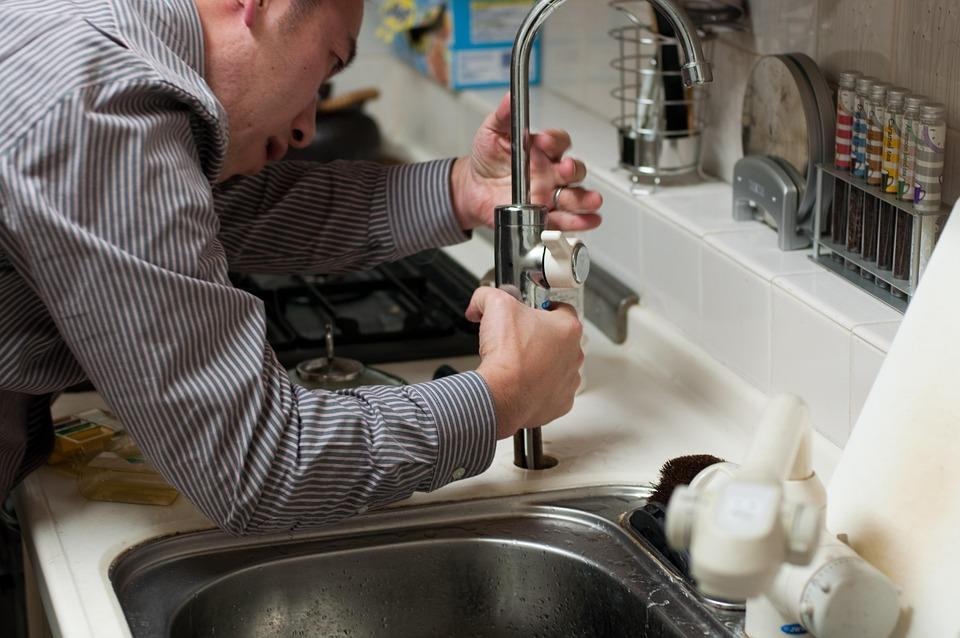
A plumbing leak is something that can turn a perfect new day into something stressful quite quickly; one moment you find everything to be fine and the next moment you are wandering all across your house trying to deal with dripping ceilings and soaked floors.
In these situations, it is very important to know what exactly to do in order to prevent the mess from taking over your entire home.
That’s where this article will help you out; you can go through the precise details, starting with how to stop the dripping water, to evaluating the damage and much more!
Stop the Water First
Your first priority should be blocking the source of the leak. If you know which fixture or pipe is causing the problem, turn off its water supply. For a serious leak or a burst pipe, you may need to shut off your home’s main water supply.
Acting quickly can prevent extra water from spreading into walls, flooring, cabinets and other areas. If the leak is near electrical outlets or appliances, refrain from touching anything electrical while standing in or near water. Safety should always come before repairs.
Look for the Extend of the Damage
Once the water has been halted, take a quick look around the affected area. Water does not always stay where the leak began. It can move beneath flooring, behind walls and through ceilings before becoming visible.
Check nearby rooms for wet spots, discoloration, bubbling paint, warped flooring or unusual odors. These signs may indicate that moisture has entered areas you cannot easily see. Catching these problems early can help prevent a relatively small plumbing issue from becoming a much greater home repair.
Remove Standing Water Carefully
If there is standing water, eliminate what you safely can using towels, buckets or a wet-dry vacuum. Move furniture, rugs, boxes and other belongings away from the affected area if feasible.
Do not rush into extensive cleanup if the water may have come from a dirty source, such as sewage backup. In those situations, professional assistance is usually the safest option. Likewise, soaked materials such as drywall, insulation and certain types of flooring may require careful handling.
Dry the Area Thoroughly
Getting visible water off the floor is only part of the process. Moisture left behind can create additional problems, particularly when it becomes hidden inside walls, under flooring or beneath cabinets.
Open windows and doors when conditions permit, and use fans or dehumidifiers to encourage drying. However, remember that surfaces can feel dry while moisture remains concealed underneath. A professional result can help identify damp areas that are difficult to detect with a visual check alone.
Know When to Call a Professional
Sometimes a leak is more than a usual cleanup job. Extensive flooding, soaked structural materials, consistent dampness or signs of mold may require specialized equipment and expertise. If the damage is significant, contacting a professional water damage restoration Atlanta service can help with water extraction, drying and repairs.
Professional help can be valuable when you are unsure how far the water has spread. Addressing hidden moisture early may reduce the likelihood of lingering odors, damaged materials and other expensive complications.
Prevent Future Plumbing Problems
After everything has been cleaned and repaired, take some time to avoid another incident. Inspect exposed pipes regularly, watch for corrosion or small drips, and address slow drains or leaking fixtures before they deteriorate. Knowing where your major water shutoff valve is located is also important.
Endnote
A plumbing leak may be unexpected, but your response does not have to be that way. Acting quickly, prioritizing safety, drying infected areas and knowing when to bring in professional help can make the recovery process much easier. Most importantly, a rapid response today can help protect your home from bigger problems tomorrow.
FAQs
What are the signs of water damage in a house?
Key signs of water damage in a house include yellow or brown water stains on walls and ceilings, peeling or bubbling paint, warped or buckling floors, a persistent musty or damp odor, and visible mold growth.
Is it safe to use AC when water is leaking?
No, it is not safe or recommended to run your air conditioner when it is leaking water inside your home.
Can you have a water leak and not know it?
Yes, you can easily have a water leak and not know it. Hidden leaks often occur behind walls, under floors, inside ceilings, or underground between your main water line and your house.
What to do immediately after water damage?
Turn off your home’s main power and water supply if it is safe to do so. Avoid standing water near outlets, take photos and videos of all damage for insurance, and remove excess water with a wet-dry vacuum or towels.





How Water Can Damage Your Home’s Structure and Materials
[…] that can ruin your home’s aesthetic so quickly that you can’t even imagine. A small plumbing leak or severe storm runoff is another thing that can damage and degrade building elements within […]