


New England homes take a beating from the weather. Snow piles up through the winter. Nor’easters drive rain sideways. Summer humidity lingers for weeks. Your roof and siding stand between all of that and your living room.
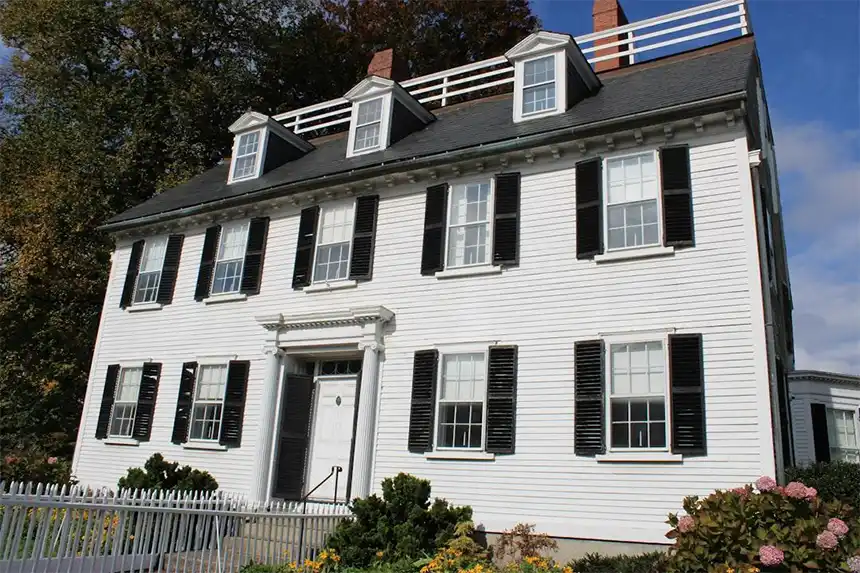
The climate of New England tends to put every aspect of your home’s exterior to the test. Snow, rain, sea breezes, high humidity in summer, and drastic shifts in temperature are capable of doing damage to roofs and sidings.
But the problem is not the damage caused by the weather, but the small things that make everything difficult. Things such as missing shingles, a tiny crack, or a worn seal can become the reason for expensive repairs when another storm hits your house.
Pine & Harbor is a great place to turn for all your roofing, siding, and exterior work inspections and repairs. They have been working in New England for a long time and are able to offer help based on the region’s weather concerns.
Here is what you need to look out for in different seasons.
Why Does New England Weather Wear Down Your Home’s Exterior?
The region throws four hard seasons at every house. They each place their own unique pressure on the roofs and walls of the homes.
Winter brings freeze-thaw cycles that pry at seams. Water seeps into a tiny gap, freezes, and widens it. Spring rain then finds those new openings. Summer sun bakes shingles and fades siding, while fall storms test every loose edge.
The salt air near the coast does further damage. Houses in southern Maine and the Seacoast region will show signs of rusting metal sooner than in other areas.
How Do You Read Your Roof and Siding Season by Season?
It all comes down to a basic pattern. Inspect your property two times a year, plus one time after each storm. The inspection will take you 30 minutes at most on every visit.
Follow this seasonal inspection guide:
- Spring: look for shingles loosened or cracked by winter ice.
- Summer: check siding for warping, gaps, and faded spots.
- Fall: clear the gutters and trim branches before the first snow.
- Winter: keep an eye on the roofline for icicles and heavy snow buildup.
- After a storm, scan for missing shingles and dented flashing.
Write down what you find each time. A short log shows you which problems are growing. That record also helps to contact a contractor for exterior maintenance later.
How Do Ice Dams and Snow Load Damage a Roof?
Winter is the hardest season on a northern roof. Two threats stand out here.
An ice dam is a ridge of ice that forms at the roof edge. Warm attic air melts snow higher up, and the water refreezes at the cold eave. That trapped water then backs up under the shingles and leaks inside. Insulation and ventilation help keep the roof cold and prevent ice dams.
Heavy snow puts some additional pressure as well. A foot of wet snow can strain an older roof. Rake the lower 3 to 4 feet from the ground with a roof rake. Never climb a ladder in icy conditions. Brushing up on winter weather safety helps you judge when to stay inside and wait.
How Does Moisture Get Behind Siding?
While siding protects the walls from outside elements, moisture somehow still manages to find its way inside. Cracked boards, failed caulk, and clogged gutters all invite moisture behind the surface. Trapped dampness is the quiet start of rot and mold.
Take a close look at the soffit and trim where the roof meets the wall. Soft or stained spots are early clues, so learning when to repair a soffit can stop a small leak from spreading. Keep plants and mulch a few inches off the siding so air can move freely.
The real fix is to control indoor moisture and dry any wet spots fast. The EPA advises drying water-damaged areas within 24 to 48 hours, and its guidance on controlling home moisture is worth a read. Fans, smart grading, and clean gutters all help.
What Are the Signs You Need a Roofing or Siding Pro?
Well, not all projects will require the expertise of professionals. Some can be done safely by a homeowner.
Call a pro when you notice any of these:
- Water stains are spreading across a ceiling or upper wall.
- Several shingles missing or curled after one storm.
- Flashing pulling away from a chimney or a vent.
- The siding is either damaged, rotted, or soft.
- A sagging spot along a once-straight roofline.
Neglecting these signs rarely saves money. Small leaks turn into framing repairs and drag down your home’s resale value. A pro finishes safely in hours, which could cost you a risky weekend.
How Do You Choose a Licensed Local Contractor?
Legally licensed local builders are construction workers who have insurance and a license to work within your state’s laws. New Hampshire, Massachusetts, and Maine each set their own rules. Hiring local means the crew knows regional codes and weather.
Follow these steps before you sign anything:
- Ensure that your contractor has insurance for liability and workers’ compensation.
- Ask for a written estimate with materials, timeline, and payment terms.
- Get 2 or 3 quotes so you can compare scope, not just price.
- Read recent reviews and ask for nearby references.
- Never make advance payments.
A good contractor answers questions in plain terms. They explain the work and never rush your decision. This is why being local is important, especially during the next nor’easter season.
A Quick New England Exterior Checklist
Keep this short list handy throughout the year:
- Check the roof and siding two times per year and after major storms.
- Clean the gutters every spring and fall.
- Keep the attic well insulated to fight ice dams.
- Dry any interior water spot within 48 hours.
- Call a licensed and local professional for steep or high work.
FAQ
How Often Should I Inspect My Roof In New England?
Aim for 2 checks a year, in spring and fall. Add a quick look after every major storm. Most passes take under 30 minutes from the ground.
What Causes Ice Dams On a New England Roof?
Warm attic air melts snow, which refreezes at the cold roof edge. That ice traps water and forces it under the shingles. Good insulation and steady airflow can reduce the risk.
Can I Pressure Wash My Own Siding?
A garden hose and a soft brush are safer for most siding. High pressure can drive water behind the boards. Keep the spray gentle and let the surface dry fully.
When Should I Replace Siding Rather Than Repair It?
Repair small cracks and isolated damage as they appear. Replace siding when rot or warping covers a wide area. A local pro can confirm which path costs less over time.




7 Exterior Issues You Should Fix Before Fall Turns Cold
[…] Check the areas that protect your property from water, wind, snow, and freezing conditions. o address are roof damage, clogged gutters, unsafe sidewalks, poor drainage, gaps around windows and doors, damaged siding or trim, and exposed outdoor plumbing. These are the most important things to check in Seasonal Exterior Home Maintenance. […]