Seeking a better wall material and confused between plaster and drywall?
Selecting a good wall material for your interior walls is critical to preventing some future problems regarding budget, quality, and longevity. Both have their own advantages and results that will impact your walls and installation time required.
While drywall installation is cheaper than plaster installation, plaster offers high-end walls with more durability. Want to know more? Continue reading this article to get a detailed differentiation between drywall and plaster. Also, explore which one will better suit your walls.
KEY TAKEAWAYS
- Drywall is cheaper than plaster and is simpler to install.
- It is stronger than plaster and is also utilized for luxury residences, old structures, and others.
- For quick results, builders and constructors prefer drywall.
- Cost, durability, and aesthetics are the three main deciding factors.

Installation and Labor Requirements
The variation between the prices of both the materials, plaster and drywall, is not much. But drywall installation requires much less effort and labor than plaster. Builders and many commercial drywall contractors who work on lower prices usually prefer drywall due to its lower labour costs.
Plaster is even more time-consuming. If you decide to use plaster for your walls, expect it to require weeks for installation and 3-5 days for drying. When compared to drywall with respect to installation efforts, time, and labor requirements, drywall is the winner.
Durability and Longevity
Drywall is also less rigid than plaster, so if you’re looking for something strong to last for a longer period of time, then plaster is a better option. To test this, you can do a pin test, try to penetrate a pin on both the walls, and you will find out that penetrating the pin on the plaster wall was tougher than doing it on drywall.
When it comes to decorating your walls, drywall is more preferred as it can be decorated easily with nails and pins. Hammering or pushing nails into drywall is easy and will leave only a small hole behind. When compared according to their ability to last long and be strong, plaster took the lead.
Suitability for Renovation vs. New Construction
In the two, Plaster and drywall, drywall is more preferred for quick construction. Either for a new construction or renovation, plaster will take much more time for installation and drying than drywall. Based on a smaller budget and quick installation, drywall is more preferred by builders.
On the other hand, plaster is used for a traditional look, for homes and buildings that are old and are made to last for a longer time. It is a popular option for luxury spaces and historic buildings. However, for large-scale new constructions and quick updates, drywall is a more practical solution.
Aesthetic and Acoustic Qualities
Plaster gives a high-end finish, smooth walls, and has more aesthetic qualities. It also has acoustic attributes that suit luxury rooms, old structures, and homes that reflect craftsmanship. It is also easily transformable and mouldable once it’s moist, making it a favorite among constructors and contractors to create uniqueness in the construction.
Conversely, drywall is easier to install and has a smoother look. It can also help lower sound transference because it’s a bit thicker and harder. Drywall is not that thick or hard itself, but it has good sound management. In short, drywall has a long way to go to be equivalent to plaster’s inherent soundproofing properties, and plaster has better aesthetics and acoustical properties.
Interesting Fact
Because plaster is so dense, it can resist up to 50% more sound than a standard piece of drywall. It’s an excellent choice for libraries, offices, and single apartments.
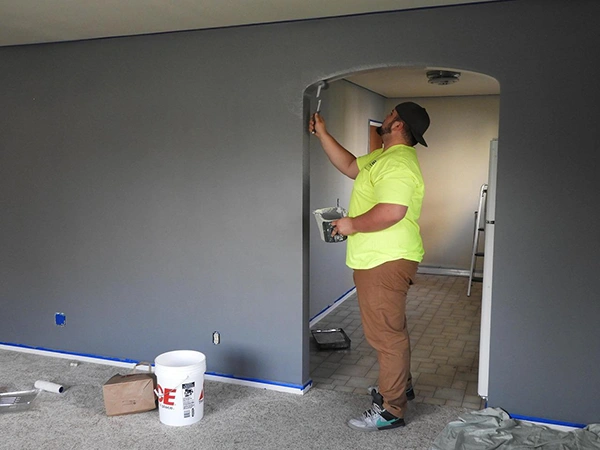
Drywall is much cheaper and is considered a budget-friendly option. Installing it costs around $1 to $3 per square foot. Plaster is even more time-consuming and requires more skilled labour, resulting in high expenses. Installing it may even cost more than $9 per square foot, and may require a professional to check whether it is properly installed. This difference is not just about prices; plaster tends to be more durable and give a strong, high-end finish.
Conclusion
Either plaster or drywall has its own advantages and applications. Drywall is less expensive and is more commonly used for fast installation purposes, whereas plaster is expensive but produces high-end finishes with tough walls. So, it absolutely depends on your usage scenario, budget, and time, which of these wall materials would be ideal for your walls.
Which is more budget-friendly, plaster or drywall?
Drywall is less expensive and affordable than plaster.
Which one lasts for more years?
Plaster lasts longer as it is more durable and stronger. This is why it is more preferred for buildings and historic spaces.
Can drywall provide a premium look?
Yes, drywall can also give a premium look when used with high-quality finishes. But plaster is naturally more elegant.
Which one is best?
Both of them have their own benefits and use cases. It completely depends on your needs and budget, which one you will prefer.