The season of fall can literally change the use of the yard in the span of just one day. The cooler weather makes playing outdoors better, shorter daylight hours require you to plan outdoor play times differently, and the leaves falling from trees add yet another element to the yard.
Fall becomes an ideal season to examine your yard in a new light, not as a completed project, but rather as a space that requires design elements to accommodate your family’s habits outside.
Play spaces, worn spots on the grass, lighting, and many other little things become elements that can greatly help with creating a yard that will complement the activities of your children.
Start With How the Yard Actually Gets Used
Ask about what happens outside before you even think about what will happen inside. A family that throws the ball around every evening should not occupy the same footprint as the family that mostly eats outside. One is the mistake of designing the house for the family you wish you had and not the one you actually do have.
A perennial bed that wants weekly weeding will get neither the weeding nor the appreciation once October arrives and the weekends fill up. That’s the ordinary argument for letting upkeep shape your landscaping decisions before a single plant goes on the list, and it gets sharper when the heaviest users of the yard are seven and ten.
There’s a solid case that this is worth the trouble. The American Academy of Pediatrics, in a 2018 clinical report published in Pediatrics, laid out the evidence that play builds executive function skills rather than simply burning off energy, and noted that children getting an hour of active play a day were better at thinking creatively and switching between tasks. Set that against the competition.
In 2024, the Centers for Disease Control and Prevention (CDC)’s National Center for Health Statistics found that half of all American teens ages 12 to 17 years old spend at least four hours a day on screens. A yard that gives kids something specific to do is up against that, and it has to compete on convenience.
Where the Leaves Go Decides Half the Layout
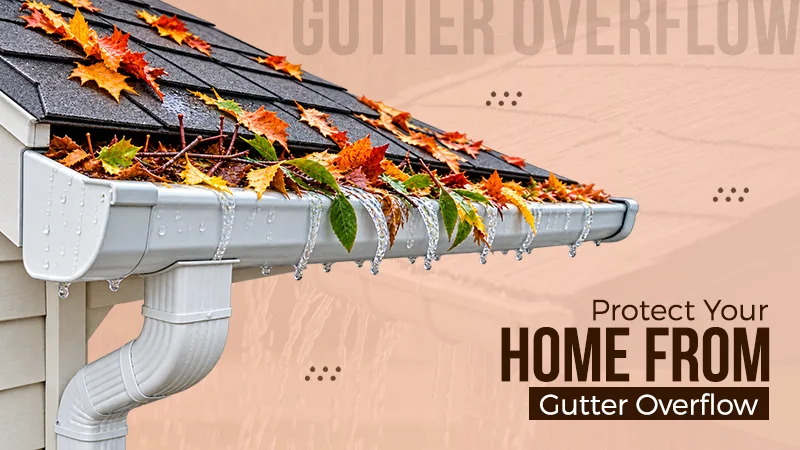
Leaf handling is the biggest fall variable in most yards, and the default answer of raking everything to the curb is the worst one available. Michigan State University’s turfgrass program has spent more than two decades on the question. Its research found that up to six inches of leaves can go back into the lawn with a mulching mower set to its highest deck position, and that mulching fallen leaves into established turf cut dandelion and crabgrass populations after three years by covering the bare soil where weed seeds germinate. The shredded pieces sift down between the grass plants and are invisible by spring.
So, mulch the majority of your yard, but purposely create one pile. Select an area that is not located directly over any turf that you would like to save, is not located over any septic system, and is not within range of being thrown over to the fire. If a pile is left on the lawn for six weeks, it kills what is underneath it.
That pile is the highest-yield square footage in a fall yard. Jumping in it is only the entry point. The rest of a list of screen-free fall activities for kids runs on material the yard produces for free, including acorns to sort, pinecones for feeder projects, and a single leaf whose pigments will separate on a coffee filter and show a kid where the green went. One Saturday of raking supplies weeks of that, which beats two bags at the curb.
Fire Pit Placement Is a Clearance Problem First
The fire pit provides about two extra hours of use on an October night, which explains its presence in every backyard checklist during the autumn season. The placement is the area where people get creative, while you shouldn’t.
The National Fire Protection Association’s consumer guidance treats ten feet from anything that can burn as the floor. NFPA 1, the model fire code most US municipalities build from, is stricter. It defines a recreational fire as one with a fuel area no wider than three feet and no taller than two, and calls for twenty-five feet of clearance from structures and combustible material. Your local fire marshal has the final word, and plenty of jurisdictions land between those two numbers, with gas units often permitted closer than wood-burning ones.
Don’t measure just the house; measure everything. This includes your wooden fences, sheds, your piles of firewood, mulch beds, the top of your pergola, and any dry ornamental grasses. You will need to make measurements overhead as well, so you will need to be sure that there are no obstacles within several feet of your pit.
With kids around, add two things the code doesn’t ask for. Use seating that stays where you put it, since a low stone wall or a heavy bench beats lightweight chairs that get dragged closer over the course of an evening. And mark a no-go ring with a change in surface underfoot, gravel against turf or pavers against gravel, so the boundary is something they can feel instead of something you have to keep repeating.
It’s Dark by Five, So Light the Routes
Daylight saving time comes to an end on the first Sunday in November, and the impact of this throughout much of the nation is that the backyard gets dark before dinnertime. It is lighting that determines whether the area will be utilized until November or will close down by mid-October.
Path and step lighting matters far more here than anything decorative. A low, ground-level wash across steps, grade changes, and bed edges is what keeps a running eight-year-old upright. Putting the system on twelve volts means the cable sits a couple of inches under the surface and can be cut and spliced without an electrician, though low-voltage walkway lighting fixture spacing is what separates an even wash from a runway of bright dots with dark gaps between them. Size the transformer about twenty-five percent above the total wattage on the run so the far fixtures don’t dim.
Light the route from the back door to wherever the kids actually end up, which is usually the fire, the play structure, or the leaf pile. Leave the middle of the lawn dark. It doesn’t need light, and an unlit lawn makes the lit paths read more clearly.
Decide Which Turf You’re Willing to Lose
Fall is the period when cool-season grasses grow, so traffic in October happens just when the grass is well-prepared to withstand this abuse. This is an excellent reason why you should allow one area to suffer rather than putting up fencing that keeps your children away from the grass.
Pick the wear zone on purpose. Overseed it in early September with turf-type tall fescue or a perennial ryegrass blend, both of which handle traffic better than Kentucky bluegrass, and accept that it’ll look rough by mid-November. Under swings and slides, where wear is concentrated and constant, turf won’t survive at all, so run wood mulch or pea gravel there and give it real depth rather than a decorative inch.
Keep the wear zone off your bed edges. Compacted soil around a planting is a slower problem to fix than a thin patch of lawn.
Give the Yard One Thing Worth Watching
The last piece costs almost nothing. Put a bird feeder where it’s visible from a kitchen or dining window, roughly ten to twelve feet out and near enough to cover that birds will use it. Cold weather brings volume, and a feeder in a sightline turns into a running project, complete with a tally on the fridge, a field guide left open on the counter, and a standing argument about whether that’s a house finch.
If possible, include some water in your yard. While the feeder draws in birds, the water draws in different kinds of birds, which the feeder will not attract.
What Fall Actually Asks of a Yard
All of the above is not part of any renovation. Rather, a mulch mower is used in place of a rake; there is one corner designated as a pile of leaves, a fire pit constructed using a tape measure instead of the eye, forty feet of low-voltage cable, a bag of fescue seed, and a feeder placed on a pole.
Put together, they turn a yard that empties out after Labor Day into one that’s still in use the week before Thanksgiving, which is most of the reason to have a yard in the first place.
FAQs
How do I design my yard for fall in light of having kids?
First of all, think about how your kids utilize the yard and plan accordingly – space for playing, leafing, getting together outdoors, lighting, and maintenance-friendly.
How far should I be from my home if I am placing a fire pit?
This will depend on your local fire regulations, so you will need to consider the advice of a fire marshal.
Which kind of outdoor lighting is helpful during fall yard care?
Path and step lighting will provide light for walking paths from the house to the most visited spots such as playgrounds, fireplaces, or piles of leaves.
How can I make the yard more attractive for kids during fall?
Create some simple things like a bird feeder, a watering place, piles of leaves, or a designated play spot.