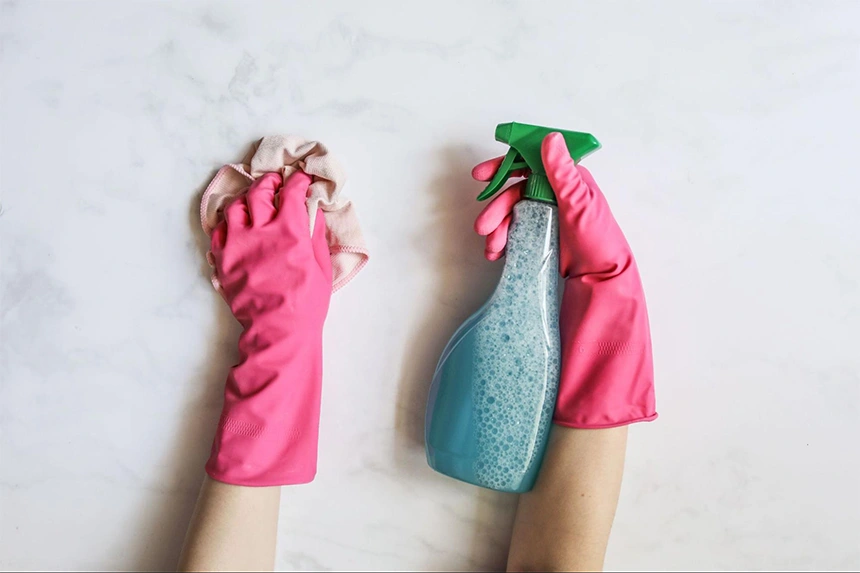
Spotless floors and neatly arranged rooms don’t make for a clean home. It is also about reducing the dirt, allergens, and germs that can accumulate on frequently used surfaces.
As the U.S. Centers for Disease Control and Prevention (CDC) explains, cleaning removes germs, dirt, and impurities from surfaces, while disinfecting kills germs that remain after cleansing.
This distinction matters, and adopting consistent cleaning habits can make a noticeable difference.
For busy households, consider professional cleaners such as Metro Cleaning Services Petaling Jaya. But here’s how to clean and sanitize the key areas of your home effectively by yourself.
Importance of Having a Clean and Sanitized Home
A neat home is not just about aesthetics; it is also vital for maintaining good physical health. A messy house is a breeding ground for:
- Bacteria
- Dust mites
- Allergens
- Other harmful pathogens
These can cause illness. Dirt and grime buildup on surfaces such as countertops, floors, or appliances may make it easier for germs to spread from person to person.
Furthermore, if you have pets at home or suffer from allergies or asthma, maintaining a clean house becomes even more crucial. Pet hair and dander can trigger allergies in sensitive individuals, while dust mites present in tainted carpets or bedding can aggravate asthma symptoms.
Benefits of Maintaining a Clean and Sanitized Home
There are many benefits to keeping your house tidy beyond just the health aspect. A well-organized living space promotes relaxation, reduces stress levels, increases productivity levels and helps you feel more motivated to tackle day-to-day tasks.
Moreover, an organized environment helps reduce clutter by providing specific storage places for different items instead of having them take up valuable living areas. An ordered space leads to better habits such as being mindful of what comes into your house or remembering where things go after use.
A clean house also helps maintain mental well-being as well as physical health, thus making it an essential part of our daily lives. The next sections will detail cleaning and sanitizing methods for a cleaner, safer home.
General Cleaning Tips
Tending your home can seem like a daunting task, but with the right approach, it can be an enjoyable experience. Start by decluttering your space by following these six rules. Remove any items that are no longer in use or don’t belong in the room.
This will not only make cleansing easier, but it will also help you feel more organized and less stressed. Once you’ve decluttered, it’s time to dust surfaces and furniture.
Dust accumulates quickly, especially on surfaces like shelves and tabletops. Use a microfiber cloth or duster to clear dust from all surfaces.
Be sure to dust from top to bottom so that any falling debris lands on surfaces that haven’t been cleaned yet. Next, tackle the floors.
Depending on your flooring type, you may need to sweep or vacuum first before mopping. Sweeping or vacuuming removes crumbs and debris that could scratch hard flooring during mopping.
Use a high-quality mop and bucket with hot water and cleaning solution appropriate for your flooring type. Scrub all windows and mirrors in your home using a glass cleaner or vinegar solution diluted with water for natural cleansing methods.
Use a microfiber cloth or squeegee for streak-free results. By following these general cleaning tips, you can keep your home looking its best without feeling overwhelmed by the process of cleansing it up!
Sanitizing Tips
Abide by these simple tips for a cleaner home:
Understanding the Difference Between Cleaning and Sanitizing
Many people often confuse cleansing with sanitizing, but they are two different things. Cleaning refers to the removal of visible dirt, grime, and debris from surfaces. Sanitizing, on the other hand, involves killing germs and bacteria that cannot be seen with the naked eye.
To properly sanitize surfaces in your home, start by cleansing them thoroughly with soap and water. Once tidied, you can then use a disinfectant to kill any remaining germs.
It’s important to note that not all cleaners are disinfectants. Be sure to read labels carefully to ensure you’re using a product that will effectively sanitize your surfaces.
Using Disinfectants to Kill Germs on High-Touch Surfaces
High-touch surfaces such as doorknobs, light switches, and countertops can be breeding grounds for germs and bacteria. It’s essential to regularly sanitize these areas to prevent the spread of illness in your home. When picking a disinfectant for high-touch surfaces, opt for one that is effective against a wide range of pathogens.
Look for products that contain active ingredients such as hydrogen peroxide or quaternary ammonium compounds (quats). Be sure to follow the instructions on the label carefully and allow enough time for the product to work before wiping it away.
FUN FACT
A food contact surface sanitizer must reduce microbial contamination by 99.999%.
Properly Sanitizing Kitchen Appliances
Your kitchen appliances can also harbor harmful bacteria if not regularly sanitized. Start by emptying your fridge and thoroughly wiping down all racks and drawers with soap and water. Once everything is clean, use a food-safe disinfectant spray or wipe on high-touch areas such as door handles.
When it comes to sanitizing your oven and microwave, start by removing any loose debris from inside using a damp cloth. You can then use a commercial oven cleaner or make your own by mixing baking soda and water into a paste.
Spread the paste over the interior of your oven and let it sit for several hours before wiping it away. For your microwave, fill a bowl with water and a few lemon slices, then heat it for a few minutes to create steam that will help loosen any stuck-on food.
Wipe away any debris and sanitize with a disinfectant wipe. By implementing these sanitizing tips in your home, you can help keep your family healthy and safe from illness-causing germs and bacteria.
Bathroom Sanitization: The Importance of Proper Cleaning and Disinfecting
When it comes to keeping a spotless dwelling, the bathroom can be one of the most challenging areas to tackle. This is due to the high amount of moisture and humidity, which creates an ideal environment for mold, mildew, and bacteria to thrive.
For this reason, it is crucial to take extra care when cleansing your bathroom surfaces. Firstly, it’s important to understand that different surfaces require specific cleaning methods and products in order to be properly cleaned and disinfected.
For instance, using a harsh cleaner on a delicate surface like marble can cause damage. When it comes to bathroom fixtures like toilets, sinks, showers, and tubs, it’s best to use appropriate cleaners that are designed for each surface.
Additionally, regular cleansing of these fixtures with hot soapy water or disinfectants will prevent the buildup of bacteria over time. Another often-overlooked area when it comes to bathroom cleanliness is fixtures such as faucets and showerheads.
These things can accumulate bacteria over time due to standing water in the fixtures themselves. To properly disinfect these items, they should be removed from their fittings (if possible) and soaked in a bleach solution overnight before being rinsed thoroughly with water.
Bedroom Sanitization: Ways To Keep Your Bedding and Mattress Clean
The bedroom is where we spend most of our time resting after long hours at work or school, so keeping it clean goes a long way towards maintaining good health. Bedding provides an ideal breeding ground for dust mites, which are known allergens that cause asthma symptoms such as wheezing and coughing.
To ensure your bedding stays clean, regularly wash sheets, pillowcases, and duvet covers every two weeks using hot water that ranges between 130 and 150 degrees Fahrenheit. Mattresses should be vacuumed regularly to remove dust and debris that accumulates over time.
Additionally, pillows should be washed every six months and replaced every one to two years as the filler material breaks down over time. In general, following these cleaning guidelines for bedding ensures a cleaner, healthier sleeping habitat.
Kitchen Sanitization: The Importance of Proper Food Storage and Cutting Board Cleaning
The kitchen is where we prepare food and meals, so it’s important to keep it clean to prevent illness caused by bacteria like Salmonella or E. coli. One of the most effective ways to prevent cross-contamination in the kitchen is by using proper food storage techniques.
This comprises storing raw meats on the bottom shelf of the fridge to prevent drippings from contaminating other food items, using separate cutting boards for raw meats and fresh produce, and washing hands frequently while preparing meals. In addition, cutting boards used for food preparation should be cleaned regularly with hot, soapy water or a bleach solution.
This helps remove any traces of bacteria that can accumulate on the board after use. It’s also important to replace cutting boards that have deep grooves or cracks, as these can harbor bacteria that are difficult to clear even with regular cleansing.
Cleaning Air Ducts: Promoting Healthy Indoor Air Quality
Air ducts are an essential part of your home’s HVAC system, and they circulate air throughout your home. Over time, these air ducts can accumulate dust, dirt, and other debris that can contaminate the air in your home.
This buildup also reduces the efficiency of your HVAC system and can increase energy costs. It is essential to have routine air duct cleaning to ensure good indoor air quality.
Air duct cleaning involves removing all dust, dirt, debris, and other contaminants from the various components of your HVAC system by using high-powered vacuums and specialized tools. The process should be carried out by a professional who has the knowledge and expertise to do it correctly.
Cleaning your air ducts will improve the overall efficiency of your HVAC system and promote healthy indoor air quality. It is important to note that not all homes require regular air duct cleansing.
Professionals recommend that homes with occupants who suffer from allergies or respiratory issues require annual cleaning. However, if you have pets or a smoker in the house, or if there are visible signs of mold or pests, you should consider having them cleaned more often.
Conclusion
A clean and sanitized home brings better health along with nice aesthetics. Regular general cleaning will help keep your space tidy, while proper sanitization will eradicate germs on high-touch surfaces such as doorknobs, light switches, countertops, etc., helping prevent diseases.
Moreover, taking care of rare details such as regularly cleansing bathroom fixtures like faucets and showerheads or vacuuming mattresses to remove dust mites can go a long way in ensuring optimal health conditions in every part of the house. Cleaning air ducts is another critical yet often overlooked aspect of maintaining a clean home environment because it promotes healthy indoor air quality.
By doing so, you’ll be able to breathe purer air and avoid respiratory problems. By following the steps outlined in this article, you can maintain a hygienic abode that is both functional and safe.
Remember to keep your cleansing supplies well-stocked, use proper cleaning techniques, and stay consistent with your cleansing routine for optimal results. With these tips, you’ll be on your way to a clean and healthy living space in no time!
FAQs
How is cleaning different from sanitizing?
Cleansing removes dirt, dust, debris, and some germs from surfaces. Sanitizing reduces the number of germs to a level considered safe according to public health standards.
How often should you sanitize your home?
Depends on how the space is used. High-touch surfaces may need more frequent attention, particularly when someone in the household is ill. Routine cleansing is generally sufficient for many household surfaces when there is no specific contamination concern.
What areas of the house need the most cleaning?
Kitchens and bathrooms typically require particular attention because they are exposed to food residue, moisture, and frequent contact.