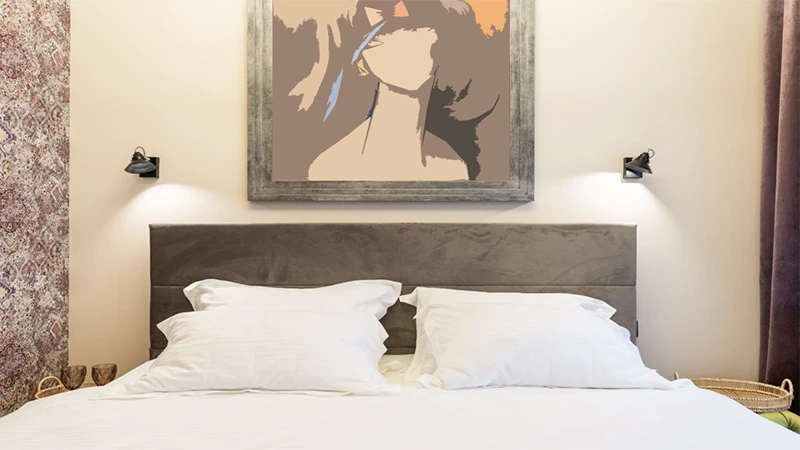
Liking more than one interior design style is completely normal, and sticking to one is actually hard. For instance, you might admire the warmth of a room that gives you traditional vibes, but you might also fall for the clean lines of sleek modern furniture or the simplicity of Scandinavian design.
The main task is to mix those up, decide on the right one, and turn those affections into a single design that feels intentional. Rather than forcing yourself to settle on fixed styles, focus on the aspects you really like about each reference.
To differentiate interior design styles based on colors, furniture, materials, lighting, layouts and more.
Keep reading to explore interior design styles when you like more than one look.
Do I Have to Choose One Style
A beautiful home has a consistent look, but that does not limit adding different styles into the same room. One can definitely use different approaches and can make a space more meaningful and unique. Simply, start the journey with major aspects you want to hold. For instance, a sleek traditional cabinet will add more effect than three modern cushions.
Let one direction lead the large surfaces and furniture. Then introduce another through pieces that have a clear relationship to them. A modern chair beside an older table can work when its scale suits the table and its finish connects with something else in the room.
Adding some of all you love is a bit complex. Select where the contrast will take place and simply refresh your home without redecorating.
What Am I Actually Responding to in a Photograph
Cover the accessories with your hand. Would you still save the image? If so, you may be responding to the architecture, the furniture shapes, or the light rather than the room decor.
Once, go for a reverse approach: predict that the same objects are used against a different wall color. This makes it easy to differentiate a color choice from a choice for the complete style.
Write one specific observation under each saved image. “I like the low furniture under the tall window” is useful. “Beautiful room” will not help you choose a sofa.
How Do the Familiar Styles Differ in Practice
Modern rooms are usually a reflection of clear forms and forced management of space. Their winning might be more dependent on the visual appeal of a few prominent pieces.
Traditional interiors give you more scope for decorative detail, imitated fabric, and furniture with a visible sense of craft. They can still feel light and restrained; traditional does not oblige you to fill every corner.
Homes relying on Scandinavian-inspired decor usually include practical furniture, pale backgrounds, and tactile materials. The look may resolve in as much simplicity to use as in the similar light timber palette.
An eclectic room asks you to make the connections yourself. Repeated colors, related shapes, and thoughtful placement help different influences coexist.
What If the Room Does Not Suit the Reference
You won’t necessarily have a reference room’s dramatic lighting, but you can choose its contrast between a dark table and pale chairs.
Look at where daylight enters, how people cross the room, and what can be seen from the doorway. Those facts can change which home decoration ideas are practical.
A small window room might ask for unique lighting than an image photographed beside full-height glazing, also with the same colors.
What Should I Buy First
Resolve the piece with the greatest practical and visual impact. It might be the sofa, the dining table, or storage that occupies an entire wall. Confirm its dimensions, finish, and position before buying the smaller pieces around it.
Use a sample if possible. Keep it beside the flooring and the furniture. An interior design flow is a group of workflows; considering each item alone leaves too much to chance.
Your preferred style may become easier to name as the room develops. By then, the label matters less than knowing why each piece belongs.
Also, explore small bathroom upgrades that make winter mornings better.
Conclusion
In the end, one does not need to feel unsatisfied and put their home into a specified design category only for it to look normal. The much better approach is to explore different styles, find what you actually love, and define how these elements can work together in your space.
Begin the journey by selecting furniture and features that will have a major impact, then build around them based on colors, shapes, materials and proportions. Your room might simply fit a similar style, or it may turn into a mix that shares all of your choices.
What matters most is that each choice and addition should feel intentional and should work with the rest of the space.
FAQs
Can I mix different interior design styles in one room?
Yes. With a uniform color palette, matching materials and balanced proportions, you can blend different styles that work together.
How many designs can I mix?
There is no fixed number. It is important to follow a matching or cohesive approach rather than moving randomly.
What to choose first when decorating a room?
Begin with the largest or most critical piece, such as a sofa, dining table, or large storage unit.