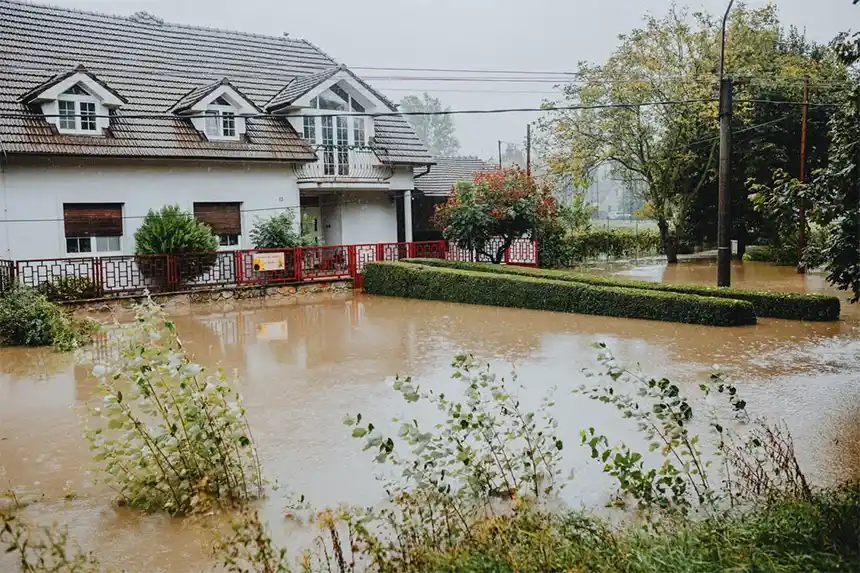
Water intrusion is something that can ruin your home’s aesthetic so quickly that you can’t even imagine. A small plumbing leak or severe storm runoff is another thing that can damage and degrade building elements within hours.
That’s why understanding how water impacts structural components will help homeowners to take action before something happens. These minor issues might turn into a costly expense if left ignored. Taking the right action at the right time will help in avoiding secondary structural issues across the house.
How Water Weakens Structural Supports
Indoor flooding can quickly compromise major load-bearing components throughout a home. Coordinating with water damage restoration specialists gives homeowners a clear path toward identifying structural issues before safety hazards worsen. That’s why taking early intervention can block wooden studs and floor joists from bending under heavy building loads.
Early repair helps protect the structural balance of the entire building layout. When exposed to small leaks, subfloors crafted from plywood or particle board swell up rapidly. Regular and consistent saturation can result in floors sagging, creating uneven walking paths, or collapsing completely.
Quick repairs also keep walking surfaces firm and stable. Replacing this warped subflooring can avoid unevenness in adjacent rooms, and foundation timber absorbs liquid near outer walls when surface drainage fails.
Swollen wood often stresses surroundings and supports pests. Correcting water buildup early protects support posts from shifting out of place.
Porous Materials And Absorption Risks
Some houses actually retain liquid way longer than solid exterior surfaces. Fiber insulation rolls, carpet padding, and soft furniture trap dampness deep inside their internal fibers. These trapped liquids usually weaken adjacent wall frames and create lingering damp conditions inside living spaces.
Saturated insulation loses thermal performance when fibers stay damp.
According to federal emergency guidelines, porous building materials soaked by floodwaters are hard to clean properly and shouldn’t be kept for long. Leaving saturated cushions or soft subflooring in place actually damages surrounding framing by trapped water. If you replace these items helps maintain clean air standards throughout living quarters.
Ripping out soaked carpeting and padding prevents wooden subfloors underneath from expanding. Quick removal of wet padding speeds up structural drying across lower floors.
Electrical Hazards Near Standing Pools
If water is not managed properly, it will create extreme danger when it contacts household power lines. Submerged outlets, extension cords, or basement breaker boxes can transform standing pools into severe shock zones. Water that still travels along wall cavities can reach active switches and spark electrical arcs.
Disease control guidelines explain that standing water creates a shock hazard near wet electrical outlets, requiring all equipment to dry completely before returning to service. Safety protocol needs some important precautions during cleanup:
- Shut off main power switches before walking across soaked room floors.
- Unplug electronics if power wires sit in standing puddle areas.
- Allow certified technicians to inspect outlets prior to restoring electrical service.
Keeping appliances switched off prevents short circuits and protects internal circuitry from failure. Taking these steps at the right time helps prevent electrical fires as structural drying takes place.
Hidden Pressure On Basement Walls
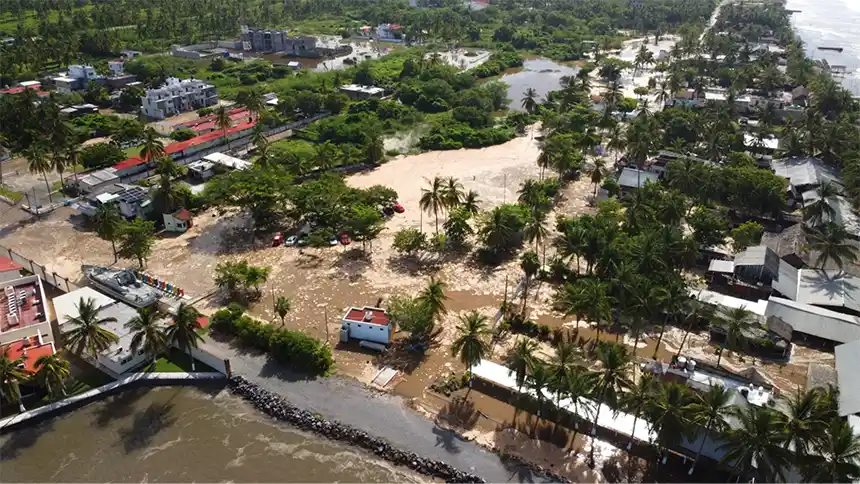
Heavy rain drenches soil surrounding a foundation; massive weight builds up against exterior foundation walls. Pumping out flooded basements needs a balance between interior and exterior water pressure, as rapid changes in water levels can destabilize basement floors.
Environmental protection guidance also highlights that removing water too quickly from flooded basements can cause walls and floors to crack and collapse under external force. Slow and gradual pumping lets external soil pressure adjust safely without ruining the foundation, and controlled drainage preserves structural integrity as water levels drop.
Hydrostatic pressure forces groundwater through minor foundation cracks. Water pooling across outer walls creates significant lateral force against concrete blocks. Tracking water removal rates prevents foundation walls from bowing inward.
Long-Term Decay Of Wood Framing
Dampness when stuck inside enclosed spaces can create major conditions for wood-rotting organisms. Wall studs lose structural stiffness, soften, and shift out of alignment as weeks pass. Early attention can help in keeping minor water problems from spreading through floor plans.
If this is repeated, it will force weight-bearing joists to split or splinter under natural loads. So, replacing these support frameworks often needs invasive construction work that disrupts daily household activities. Early water control protects structural timber from complete degradation.
Fungal decay actually breaks down fibers inside structural lumber. These weakened support joists struggle to support heavy roof loads or upper-level bedrooms. This can be prevented by thorough drying.
Drywall Degradation And Ceiling Sagging
Gypsum board often loses structural ability when saturated with damp liquid. Wet drywall turns soft, bulges outward, and breaks away from metal ceiling fasteners. Immediate wall replacement prevents structural cavities from trapping unwanted humidity.
Ceilings that hold trapped upper-story leaks bow downward under immense physical weight. Swift removal of soggy drywall prevents sudden ceiling collapses that damage household furniture. Fast structural drying protects upper levels from sagging out of place.
Heavy drywall panels sag when water accumulates there. Try to remove water-damaged wallboards, as it opens up wall cavities for thorough airflow. Replacing saturated plasterboards protects structural studs behind paper backings.
Protecting residential properties is not that difficult; it just requires quick recognition of structural risks. By taking proper steps to dry out materials, inspect electrical systems, and monitor foundation pressure, you can safeguard your property investment. Timely care keeps your home safe, sturdy, and comfortable for the long haul.
FAQs
What is the most common cause of water damage in houses?
The most common cause of water damage in houses is plumbing failure, like leaking or burst pipes.
How long does it take for water to cause structural damage?
It takes roughly 24 h to 72 hours for water to cause structural damage.
Where do most home water leaks occur?
Water leaks are common around toilets, water heaters, and washing machine hoses.