Making your home sustainable actually involves paying close attention to your home cooling setup. Due to rising summer temperatures, use of cooling appliances is increasing, and this results in skyrocketing utility and energy bills. Taking proactive steps in advance with household air systems helps lower energy usage and save your precious money every month. Making smart operational adjustments not only protects equipment but also keeps indoor living spaces more comfortable and livable.
Read the full blog to learn more about energy-efficient AC care practices for sustainable homes.
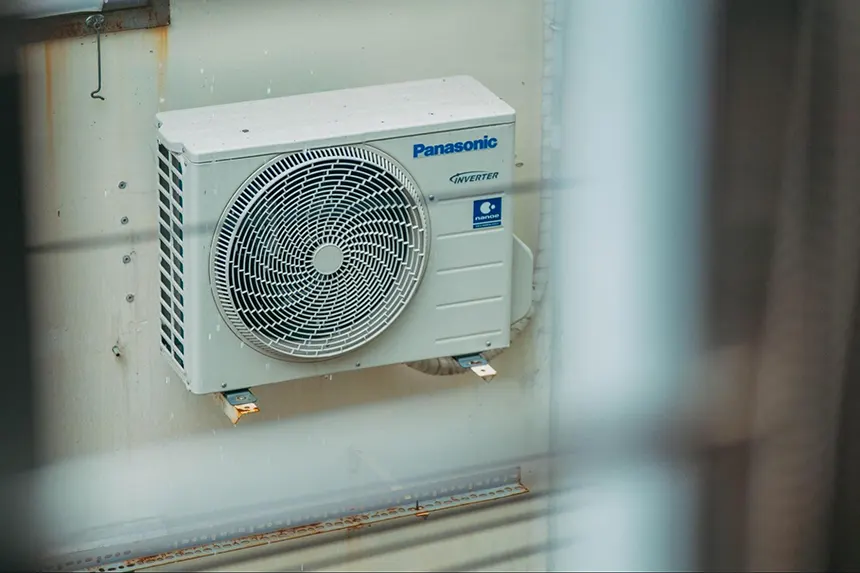
Choose the Right System Size for Your Space
Installing a system that matches the square footage of your home helps in avoiding massive energy waste. A system that is too small will struggle to reach the accurate temperature and may run constantly, wasting energy. Oversized units turn on and off too fast, which strains internal components and leaves extra moisture in the air. Choosing an appropriately sized model keeps indoor temperatures stable without burning through excess electricity.
Homes built with high levels of insulation require far less cooling power, allowing homeowners to pick smaller, more efficient appliances. Smaller units use less power during peak hours and run much quieter throughout the day. Calculating heating and cooling loads ensures you purchase the exact size required for long-term comfort.
Schedule Routine Preventative Care
Consistent checkups keep mechanical parts operating efficiently for decades. Professional AC maintenance services keep your equipment running smoothly and help prevent sudden system failures. It saves homeowners big money on emergency calls. Professional technicians check electrical connections, lubricate moving parts, and balance refrigerant charges during a tune-up. Addressing minor wear early avoids small issues from turning into costly repairs.
Regular maintenance helps extend the lifespan of costly outdoor compressor units. Technicians test operating pressures to ensure system efficiency remains high during heatwaves. Booking an evaluation before summer heat kicks in protects equipment from unexpected breakdowns.
Maintain Clean Filters Regularly
Air flow stays key to optimal cooling performance throughout the hot months. Dust and dirt collect on filter surfaces quickly, making the blower motor work much difficult to pull air through the system. Checking filters every few weeks keeps air moving freely through the home. Clean filters protect indoor air quality while minimizing overall power consumption.
Filter checks should happen monthly or every 2 months depending on usage and filter type. Heavy summer usage means air managers pull in far more dust, pet dander, and pollen. Replacing clogged filters takes under 5 minutes and prevents heavy strain on sensitive interior components.
Keep Condenser Coils Free of Debris
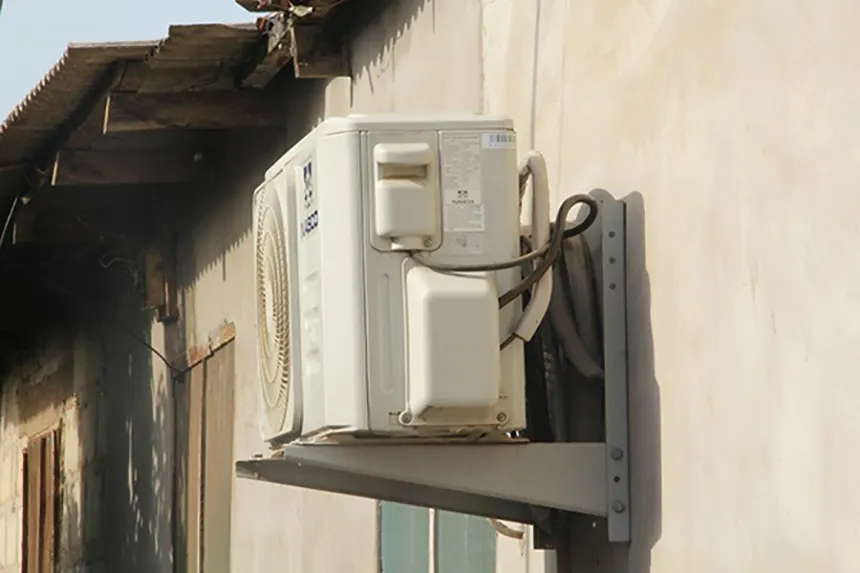
Outdoor condenser units require plenty of breathing room to release heat efficiently. Yard waste, leaves, grass clippings, and overgrown bushes usually block airflow around the exterior cabinet. Clearing debris away lets the compressor discharge trapped heat without working overtime.
- Clear away fallen branches, high weeds, and yard clutter within 2 feet of the unit.
- Gently rinse away packed dirt and pollen from the metal fins using a garden hose.
- Straighten bent coil fins using a fin comb to maintain maximum air circulation.
Removing these external blockages lets heat vent outside much faster, lowering overall system workload. Clean coils let refrigerant cool down immediately before heading back indoors. Running quick outdoor checks every weekend helps in keeping the compressor cool and quiet.
Keeping your home cool and comfortable does not demand skyrocketing electric bills or constant system strain. Making tiny adjustments to daily routines, maintaining clear airflow, and keeping up with seasonal maintenance protects your wallet and the environment as well. Taking smart care of your home cooling system offers reliable comfort for years to come.
FAQs
What type of AC is the most energy efficient?
Ans. The most energy-efficient type of AC is ductless mini-split systems.
Which AC is best for a low electricity bill?
Ans. For a low electricity bill, try to install an AC that has 5 stars, an inverter split, with a high ISEER.
How many kW is 1 ton of AC?
Ans. 1 ton of AC offers 3.5kW of cooling capacity.