Even though water flowing in your yard might not appear dangerous, its destination might affect your property for the worse. The constant flow of water can make the soil surrounding the foundation saturated, compacted, or even eroded.
These issues do not usually come suddenly, making it easy to miss the problem with drainage until there is an actual indication of the issue. Puddles, soil erosion, wet patches, and even cracks are all indicators that a serious problem might be developing underneath the surface.
Understanding the connection between drainage and foundation stability can help homeowners spot potential problems earlier and take practical steps to protect their property before damage becomes more difficult to address.
How Water Changes the Soil Around a Foundation
In nature, soil is always expanding and contracting according to the moisture it contains. Poor drainage will make water accumulate repeatedly in some spots in relation to the foundation of the building, saturating the soil around that part.
Depending on the soil composition, these moisture changes can contribute to expansion, softening, or movement. When the soil eventually dries, it may contract again. Repeated wet-and-dry cycles can create inconsistent support around different parts of the home, which is why maintaining relatively consistent moisture conditions around the foundation can be important.
Standing Water Can Create Ongoing Moisture Problems
The puddles formed around a home due to heavy rainfall may dry up within several hours. On the contrary, the formation of puddles in an area around the home is an indication that there is a problem with the drainage of water from the home. Puddles are caused by low areas, poor yard grading, clogged gutters, or discharging of the downspouts too close to the house.
Over time, persistent moisture may put additional pressure on foundation walls or allow water to seep into small openings. Homeowners may eventually notice damp areas, musty odors, staining, or other signs of excess moisture around the structure.
Erosion Can Reduce Soil Support
Water drainage issues don’t necessarily involve water puddles. Runoff might carry away the soil slowly from the areas around the house. The erosion of the soil will mean the loss of the support structure for the foundation, especially when the water continues along the same route every time it rains.
Small channels in landscaping, exposed soil near the foundation, or noticeable areas where soil appears to be washing away can indicate that runoff patterns deserve attention. Gutters, downspouts, grading, and landscaping can all influence how water travels across the property.
Foundation Changes May Develop Gradually
A possible reason why drainage issues might be hard to recognize is that changes may be experienced over a long period of time. The signs to watch out for include any cracks in the wall, difficulty opening or closing doors, and gaps around windows and floors.
These observations can have several possible causes and do not automatically indicate a serious foundation problem. However, when multiple changes appear alongside visible drainage concerns, it may be worth having the property evaluated so the underlying conditions can be better understood.
Improving Drainage Around Your Home
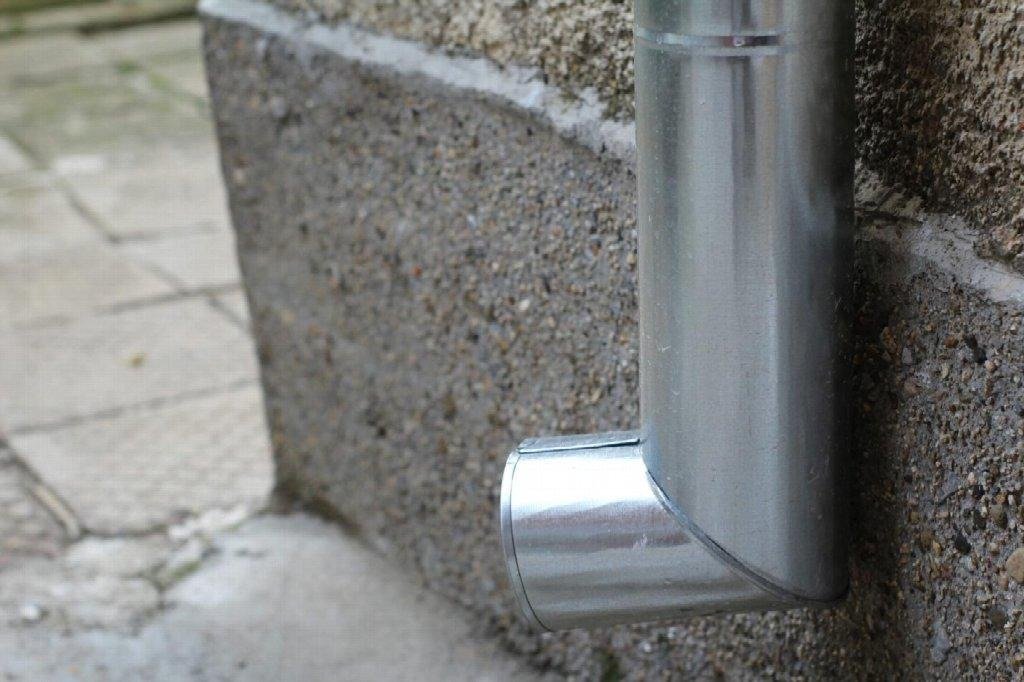
Water management on a property starts with an understanding of how water flows when there is rainfall. Gutters must be kept unobstructed to facilitate water flow, and downspouts should divert water from flowing in areas adjacent to the home.
Proper grading can also encourage water to move away rather than collect near the foundation. Plan landscaping with drainage in mind so soil, plants, and hard surfaces don’t unintentionally direct excessive runoff toward the home.
Water is common in the environment surrounding all houses, but where it goes can make all the difference over time. An inadequate drainage system can be among the factors that lead to changes in soil structure, erosion, too much moisture, and lack of uniform support on the foundation. When homeowners notice the presence of water on their premises, they need to know how it affects the foundation.
Professionals such as Pinnacle Foundation Repair can help homeowners better understand foundation-related concerns when drainage or changing soil conditions become noticeable. Paying attention to grading, gutters, downspouts, soil conditions, and moisture around the home can help identify potential concerns earlier and support long-term foundation stability.
FAQs
What problems can result from insufficient drainage with regard to a house’s foundation?
Poor drainage can cause too much moisture in the surrounding soil and thus result in changes in moisture content, soil movement, soil erosion, and inconsistent soil support.
What effect can soil erosion have on a foundation?
Runoff may cause soil erosion and thus reduce the consistent soil support that the foundation requires.
How do you know if drainage is causing foundation issues?
Some possible signs include standing water, soil erosion, abnormal runoff, cracked walls, doors that won’t close or open normally, gaps near windows, or flooring that seems uneven.
How do homeowners correct drainage issues around their foundation?
By keeping their gutters clean, placing downspouts farther away from the structure, ensuring proper grading, and taking careful consideration when designing their landscaping.