Sweeping is actually easy and simple until the dust starts flying, crumbs hide in the corners, and one quick pass leaves half the mess behind. A good sweep is not just about moving a broom quickly, but also about controlling where the dirt goes. With the right direction, pressure, tools, and routine, floors can be cleaned faster while keeping dust from spreading around the room.
Read the full article to learn more about a simple guide to a cleaner cleanup and cleaning service.
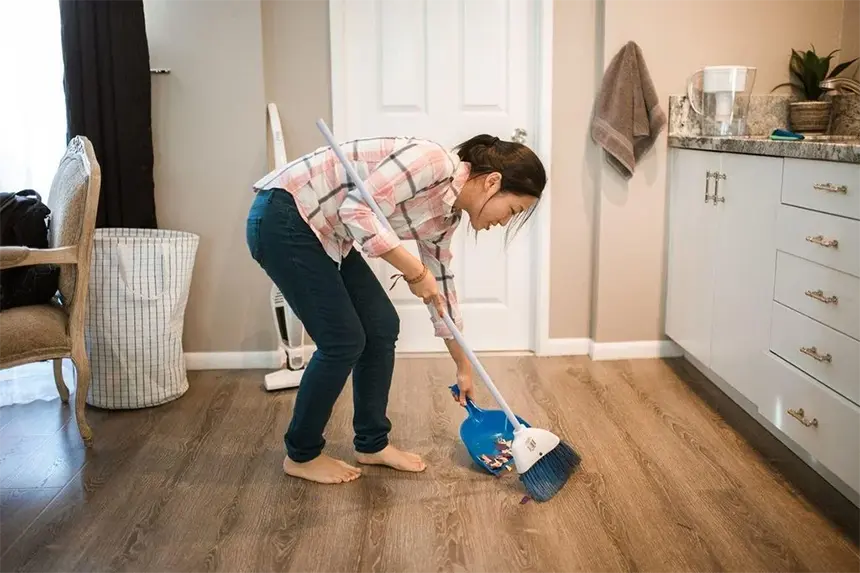
Start With a Smarter Sweep
Before you pick a broom, look around the space. Pick up larger objects, move lightweight furniture if required, and give yourself a clear path. This prevents you from pushing dirt around obstacles or making extra piles.
Start at the farthest edge of the room and work toward your selected collection point. Use steady strokes rather than wild back-and-forth movements. Keep the broom close to the floor so dust and debris stay in front of the bristles.
If the floor has loose dust, use lighter strokes first. Heavy pressure can distribute fine particles into the air. Once larger debris is collected, make a slower pass along edges and corners where dirt tends to settle.
Pick a Broom That Works With You
A broom should match the floor, the kind of debris, and the size of the area. Soft bristles work well for particulate dust on smooth indoor floors, while firmer bristles can manage heavier dirt and outdoor debris.
For everyday cleaning, a dependable tool from Davinci Broom can make sweeping more controlled and comfortable. The right broom should feel balanced in your hand, reach the floor without forcing you to bend, and gather debris instead of scattering it.
Pay attention to the broom head, as well. A wider head can cover open floors quickly, while a narrower one may be easier to manage around furniture and tight spaces. If bristles become bent or worn, sweeping performance can drop even when your technique is good.
Follow a Simple Direction
One of the easiest ways to prevent scattering of dirt is to sweep in one consistent direction. Rather than making random strokes, guide debris toward one area.
For a rectangular room, start along one wall and gradually move across the floor. Keep each stroke slightly overlapping the previous one. This minimizes missed strips where dust can remain unnoticed.
When you reach a corner, slow down. Short strokes are simpler to control than long ones. Push debris gently out of corners and into your increasing pile. If you sweep too hard, dirt may bounce away from the collection area.
Keep Dust From Taking Flight
Fine dust is usually harder to manage than visible crumbs. Fast sweeping can lift particles into the air, letting them settle on furniture, shelves, or freshly cleaned areas.
Use smooth movements and prevent snapping the broom against the floor. If a large amount of dust has collected, divide the area into smaller parts. Sweep each section carefully rather than trying to clear everything in one pass.
For very dusty floors, a quite damp cleaning method may be more suitable after loose debris is removed. Always use a floor-safe strategy for the surface you are cleaning.
Handle Corners, Edges, and Tight Spots
Dust usually hides along baseboards, under cabinets, behind doors, and beneath furniture. These areas require a little more attention because a regular open-floor sweep may not reach them.
Use the edge of the broom head to sweep debris away from walls. For narrow gaps, angle the broom rather than forcing the entire head into the space. Move slowly and check the area afterward.
Modern Furniture can create another challenge. If practical, sweep underneath movable pieces from various directions. A long-handled tool can help reach farther without needing you to crouch or move heavy objects.
Build a Better Dirt Pile
Once dirt starts gathering, resist the urge to keep pushing it around the room. Choose one collection point and slowly bring debris toward it.
Keep your strokes short as you approach the pile. Big sweeping motions can break it apart and send tiny particles across the floor again. A controlled final push makes it easier to gather everything cleanly.
A dustpan with a low edge can also help. Hold it flat against the floor so dirt does not slide underneath. Sweep gradually into the pan, then check the area for fine particles that may remain.
Common Sweeping Mistakes to Avoid
A few habits can make an easy cleaning job take longer. Watch for these common problems:
- Sweeping too fast: Speed can distribute fine dust and crumbs.
- Using the wrong broom: Bristles that are too stiff or too soft may perform poorly on certain surfaces.
- Ignoring corners: Dirt naturally collects along edges and hidden spaces.
- Making huge strokes: Wide movements can push debris away from your target pile.
- Skipping a second look: Small particles can remain after the main pile is collected.
- Dragging a dirty broom: Dust trapped in the bristles can spread back across a clean floor.
A cleaner sweep often comes from better control rather than extra effort.
Turn Sweeping Into a Quick Routine
Regular sweeping becomes easier when you do not wait for dirt to gather up. High-traffic areas may require frequent attention, while less-used rooms can follow a lighter schedule.
Keep your broom and dustpan somewhere convenient. If cleaning tools are hard to reach, small messes are more likely to sit until they become bigger jobs.
A simple routine can take only a few minutes: clear obstacles, begin at the room’s far edge, guide dirt toward one point, gather the pile, and inspect corners. Consistency keeps floors manageable and minimizes the need for long cleanup sessions.
Cleaner Floors Start With Better Control
A good sweep is a tiny skill with a noticeable payoff. When you control direction, choose a correct broom, use steady pressure, and collect debris carefully, you can support exterior care without sending dirt from one area to another.
Next time you sweep, slow down and focus on where every stroke sends the dirt. A few thoughtful movements can leave a floor cleaner, a room fresher, and the cleanup much less frustrating.
Questions People Ask
How can I stop a broom from scattering dust?
Use slow, controlled strokes and keep the broom close to the floor. Sweep toward one collection point instead of making fast, random movements.
What type of broom is best for indoor floors?
Soft or medium bristles are generally useful for smooth indoor floors because they can collect fine dust without pushing it too far. Choose a broom that feels balanced and easy to control.
Should I sweep before or after moving furniture?
Move lightweight furniture when practical so you can reach hidden dirt underneath and around it. Heavy furniture does not need to be moved regularly if you can sweep around and beneath it safely.
How often should floors be swept?
High-traffic areas may need sweeping daily or several times a week, while less-used rooms can be cleaned less often. The right schedule depends on foot traffic, pets, dust, and how quickly dirt builds up.