

When choosing building supplies for home decor, a lot more thought must go into it than just picking the first thing you see. The choice of material has a big impact on the look of the house as well as its durability and functionality.
Do you pick the traditional style, modern, or maybe mix different styles in? All these
complex decisions can make the choices difficult and make mistakes very easy.
So before anything, make sure that you know how to avoid common mistakes when picking supplies. Read this blog to learn more details.
Considering the Purpose of the Space
Selecting materials purely based on their aesthetic value is another error. A material that looks great in the store may turn out to be poor for use in a hall, kitchen, bath, or family room. Usage, moisture exposure, and the amount of maintenance the material demands are all important to consider. Anothern error. This would go a long way in helping to narrow down choices.
It is also important to factor in the role of the room in making decisions concerning durability. If the material is supposed to decorate a room that is used very often, then it must stand up to frequent touching, cleaning, and movement. The same applies to other rooms with different requirements.
Matching Materials With Existing Features
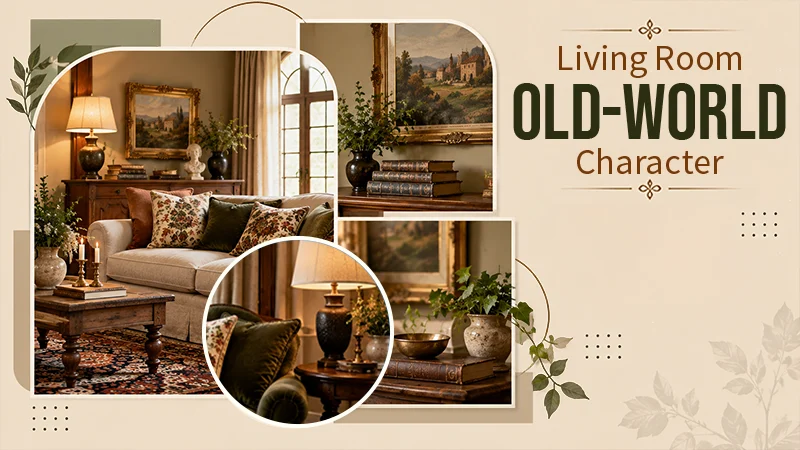
Without thinking about what qualities are already present, a third pitfall is the choice of new materials. A new material might look nice on its own but not work well with other finishes. I Floor, cabinets, doors, moldings, countertops, lighting, and furniture add up to the look of the room. Before buying something, make sure of a cohesive look It could be helpful to take into account the whole space.
Color and texture need to go together and not be considered separately. A smooth finish can look quite different with textured walls or furniture. The same way, choosing various colors in one room can make it look unorganized. Samples can show homeowners how materials will look in combination with what already exists under the lighting in the room.
Checking Material Quality
Price is another place where homeowners may fall into traps. the materials used may require more maintenance or may need to be replaced frequently. While choosing the least expensive option can appear wise, rather than by the cost of the product. It is wise to judge quality by their usage. If their long-lasting capabilities are taken into consideration. Materials that work well can offer better value.
It is also important for homeowners to look into the specifications of the products prior to making a purchase. Dimensions, installation processes, cleaning, water resistance, and usage are among the factors that can show the suitability of a material for an installation. Getting all of the answers during the purchase can also help determine differences between materials.
Measuring Before Purchasing
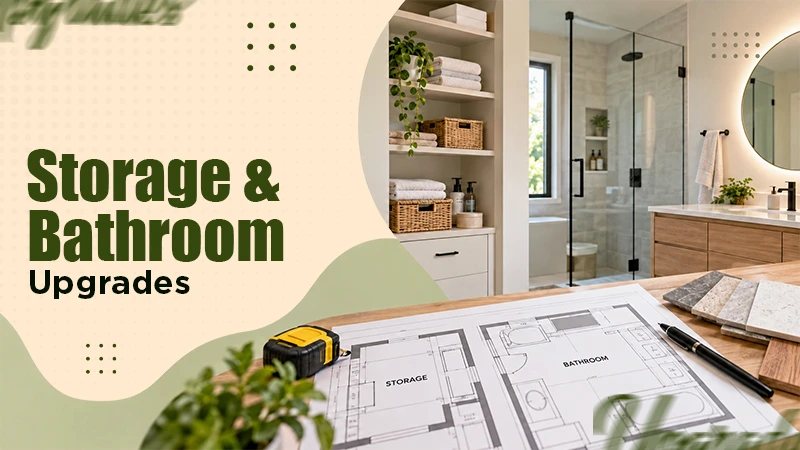
Due to inadequate measurements or purchasing too many materials, materials that could have produced an appealing product might end up not fitting properly. Measurement errors are common causes of wasted building supplies and money. The measurements need to be verified before placing an order, especially when buying many materials. Homeowners need to take proper measurements and also include all parts that do not need any coverage when working on home projects,
Other aspects such as cutting and installation patterns should also be considered while purchasing materials. Floorings, wall panels, trims, and other materials may need extra materials to fit corners, gaps, or other installations. Some wastage may occur while installing the materials; however, careful planning may help control the amount of wastage.
Planning Installation Requirements
Selecting materials without taking into consideration how they will be installed would be wrong. Some products may need certain expertise to get clean results. Consumers who ignore such demands will find that additional equipment or special help becomes necessary after purchasing those products. Some products used for decoration may demand a certain type of surface or adhesive, or some special preparations prior to the installation.
The tools that are at hand are another thing to think about prior to doing any job. Some basic jobs will demand standard tools, but some more complicated installations will demand special tools. With such an understanding, one will be able to calculate the total cost of the job instead of only its cost of materials.
Balancing Style and Practicality
Design preferences obviously affect material choice; however, being overly concerned with fashion may result in the use of materials that will later prove to be inappropriate due to changed tastes. Any decorative detail is likely to serve for years if its design matches the general concept of the house’s interior. Neutrally colored basic materials can help achieve some freedom in choice, while decorative details can include bright colors and patterns.
Paint is a good example of such details, as it allows changing the look of the room with minimum labor costs., it is important to think about their compatibility with future color options. When choosing other materials, instead of changing all its elements once tastes are different, such an approach makes it possible to build up a decór gradually.
When decorating the interior of the house. It is important not only to choose visually pleasing materials but also to avoid any errors in their selection. Consider its characteristics, the quality of materials, the size of the rooms, installation methods, and design preferences that will be maintained in the long term when buying anything. It is necessary to take into account the purpose of each room. Careful planning will facilitate construction projects and will help to ensure that all decorative decisions are both functional and beautiful.
Frequently Asked Questions
1-Tip to avoid mistakes when buying building materials
- Prioritizing Quality over price
- Understand Your Project Requirements
- Don’t ignore Weather Compatibility
- Always Check After-Sales Support and Warranty
- Compare Brands or Product Specifications
2- How to avoid making mistakes when designing my house?
Start by measuring the space and understanding your lifestyle. Then plan the layout, storage, electrical points, lighting, materials, and colours before purchasing furniture or décor.
3- What is the biggest interior design mistake?
Poor planning is one of the biggest mistakes. Furniture, storage, lighting, electrical points, and materials should be considered together rather than making each decision separately.