


Immediate water extraction and thermal moisture mapping remain critical to stopping indoor mold spread and safeguarding residential foundations after leaks.
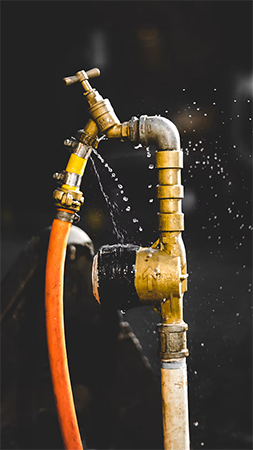
A minor plumbing leak hidden behind a drywall can eventually introduce major repair requirements and can rot your home from the inside out.
Most homeowners do not know how to identify and fix the most costly and overlooked problems in any home; they only spot the damage after the water stains become visible and the damage is already beyond minor treatments. Fixing a $5 pipe fitting early stops thousands of dollars in repairs before moisture destroys the framing.
What Diagnostic Tools Drive Professional Structural Drying Workflows?
Professional restoration technicians depend on specialized equipment to map out moisture levels without tearing down every square inch of your drywall. Thermal imaging cameras identify subtle temperature differences caused by trapped water behind finished surfaces that allows specialists to pinpoint wet pockets instantly. When you partner with certified experts like Highwater Restoration, advanced thermal mapping and continuous meter tracking make sure that every single cavity reaches dry standard metrics before repairs begin.
- Use pinless meters: Technicians glide non-invasive moisture meters across walls and flooring to read dampness levels through materials without leaving unsightly holes.
- Deploy industrial air movers: High-velocity blowers combined with commercial-grade dehumidifiers pull moisture out of dense framing timbers over a steady 3- to 5-day drying window.
Why Do Small Plumbing Leaks Turn Into Massive Structural Nightmares?
The trouble barely stays confined to a single wet spot when a hidden supply line starts leaking behind drywall or beneath a subfloor. Water acts like an invisible traveler, soaking into porous wood framing and insulation long before surface stains appear. Modern residential construction relies on tight building envelopes to conserve energy, so trapped indoor humidity finds it tough to escape naturally.
Data shared by the Environmental Protection Agency highlighted that the average household’s leaks can account for nearly 10,000 gallons of water wasted every year. That unseen loss quietly rots wall studs and damages foundation plates month after month. Homeowners can catch these problems early by inspecting kitchen cabinets and monitoring monthly utility bills for unexpected spikes.
How Does Water Migrate Through Wall Cavities and Concrete Framing?
Water takes the path of least resistance and wicks upward through drywall, saturating wooden studs within hours of a pipe failure. Moisture accumulates silently for weeks or months if you have a slow pinhole leak in a copper line or a failing joint behind a bathroom vanity. Most homeowners know how to choose and maintain hardwood floors in subtropical climates, but a leak can affect their floor in ways they have never imagined. Concrete foundations and subfloors absorb this liquid like a sponge and hold onto dampness long after you wipe up surface puddles.
- Check vulnerable baseboards: Press gently against baseboards and trim near plumbing lines to see if the wood feels soft, spongy, or warped from internal saturation.
- Inspect lower cabinetry: Open your cabinet toe kicks and check the dark corners beneath sink basins where stagnant humidity gathers during minor, ongoing drips.
Why Must You Act Within the Critical 48-Hour Window?
Mold spores activate and multiply within 24 to 48 hours when combined with warm indoor temperatures and wet organic building materials. Time is responsible for the severity of your repair bill when a pipe ruptures or a supply hose fails. Missing this narrow mitigation window means surface moisture turns into full-scale remediation work that requires containment barriers and professional air scrubbing.
- Document everything first: Take time-stamped photos and videos of all damaged personal property and structural zones before you throw away ruined materials or start major cleanup.
- Stop the source immediately: Locate your main emergency shutoff valve and turn off the water supply to keep thousands of extra gallons from flooding your subfloors.
How Do You Navigate Complex Insurance Claims for Hidden Moisture?
Filing a property damage claim for a concealed pipe break requires thorough record-keeping and clear physical evidence. Adjusters inspect the timeline of the leak, looking for proof that links hidden framing rot to a sudden plumbing failure. Keeping detailed logs of mitigation expenses and testing receipts helps support the final settlement payout.
An insurance analytics study from Verisk has found that non-weather water damage, meaning losses from pipes, appliances, plumbing, and HVAC systems, accounts for 20% to 25% of all U.S. property insurance losses. Adjusters review these claims with a critical eye to separate sudden breaks from long-term neglect. Property owners should never go for a premature demolition of structural framing until an adjuster completes a formal inspection.
When Should You Call Certified Rapid-Response Teams? Frequently Asked Questions
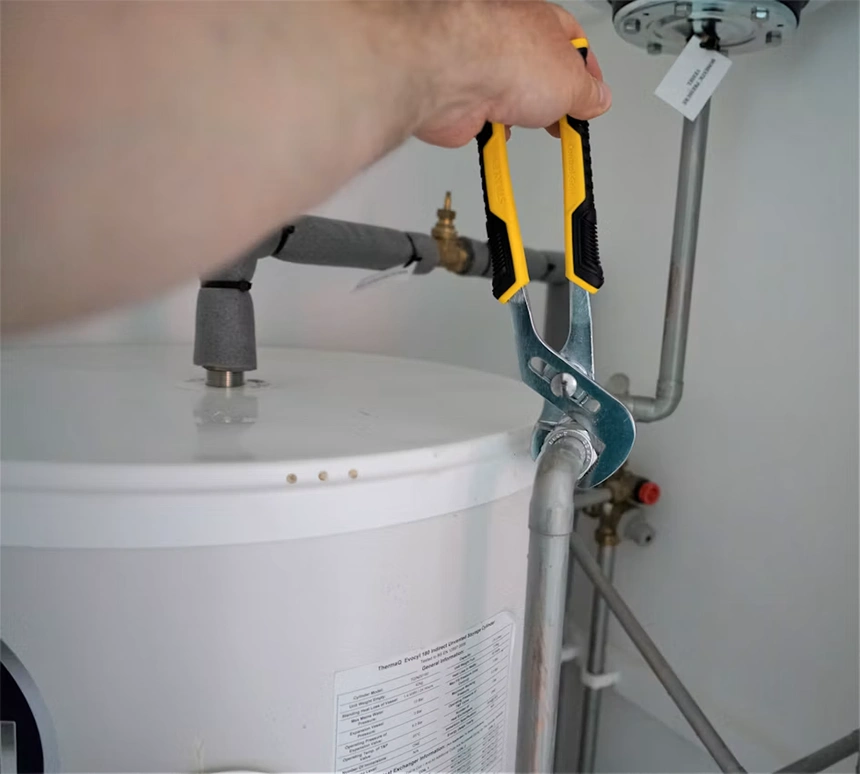
Handling a major water intrusion event safely requires professional safety checks, industrial gear, and protective equipment. Standing water can conceal electrical hazards, sharp debris, or contaminated sewage backup that introduces several risks to your house. That brings an experienced mitigation crew to ensure the environment is chemically sanitized, structurally stable, and thoroughly dried.
- Verify professional credentials: Check that your chosen restoration contractor holds valid industry certifications and uses calibrated instruments to prove the space is dry.
- Request a completion certificate: Ensure your remediation team provides a final clearance report verifying that moisture levels have returned to normal baseline standards.
Professional intervention protects your real estate investment from lingering structural compromise and guarantees that your home remains a safe, healthy environment for everyone inside.
Frequently Asked Questions
What are the warning signs of a hidden plumbing leak?
Common signs are water stains, soft or warped baseboards, damp spots beneath sinks, unexplained increases in water bills, and persistent indoor humidity.
Why is it important to address a plumbing leak in 48 hours?
Mold can begin growing within 24 to 48 hours when moisture and other suitable organic materials are present. Quick water extraction helps prevent mold growth.
How do professionals detect plumbing leaks?
Restoration professionals use thermal imaging cameras and moisture meters to identify damp areas behind walls or beneath floors.