


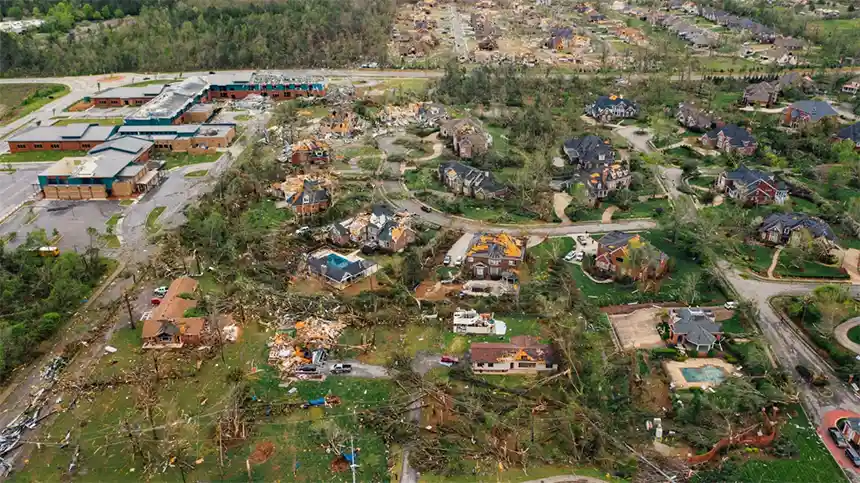
Your roof might look undamaged from the driveway, while loose shingles, damaged flashing, or small openings allow water inside. Siding, gutters, windows, and exterior fixtures also face direct exposure to wind, hail, and falling debris.
The inspection for storm damage helps you identify these problems before water intrusion leads to larger repairs. Start with safe observations from the ground, document anything unusual, and arrange professional help when damage involves the roof or structural components.
Why Is A Storm Damage Inspection Important After Severe Weather?
Storm damage does not always seem as a large hole or missing section of roofing. Small changes matter too. Wind might lift the edge of a roofing without removing the whole piece. Sleet might damage the surface of roofing materials. Loose flickering might create an entry point for rain during the next storm.
A post-storm home examination gives you a structured way to review your property. Begin outside once situations are safe. Walk around the home and look for roofing materials on the ground, damaged troughs, loose siding, and fallen branches.
Then check the interior. Water stains, damp covering, peeling paint, or unusual moisture near ceilings deserve attention.
What Are The Most Common Signs Of Storm Damage?
Roof storm damage often emerges in several areas at once. A strong weather event might affect the roof covering, sewage system, siding, and nearby structures.
Look for visible signs such as missing herpes, cracked roofing materials, dented gutters, loose siding, damaged fascia, and debris on the roof. Storm-damaged shingles might appear lifted, torn, curled, or out of arrangement with surrounding materials.
Water provides another caution. Check ceilings and upper walls for stains. Inspect accessible loft spaces for damp insulation, moisture around roof invasion, or signs of dripping.
Avoid climbing onto the roof to get a closer look. Wet materials, loose causes, and hidden structural damage extend the risk of injury.
What Should You Look For During A Roof Inspection After A Storm?
Start your roof examination after storm conditions have cleared. Stand at a safe location and examine each visible roof gradient. Binoculars or a camera with zoom provide a closer view without mandating roof access.
Look at roof edges, valleys, unleash, chimneys, and flashing. These areas contain joints and transitions where wind-driven rain often finds openings.
Check the gutters next. Slacking sections, dents, loose fasteners, or roofing remains inside gutters deserve additional inspection. Also check whether drainpipes remain attached and direct water away from the foundation.
When you find considerable damage, a professional assessment helps determine the degree of the problem. Homeowners dealing with widespread roofing or surface issues often arrange with N & I Roofing storm damage repair in Kankakee County, IL after an examination identifies areas requiring attention.
How Do Hail And Wind Affect Your Roof?
Hail and wind create different types of covering damage. Knowing what to look for helps you describe the problem precisely when arranging an inspection.
Signs of hail damage
Hail strikes roofing materials with condensed force. Depending on hail size, wind speed, roofing material, and roof condition, the impact might leave indentation, cracks, chipped surfaces, or damaged granules.
A hail damage roof inspection focuses on uncovered roofing surfaces as well as vents, shimmering, gutters, and other metal components. Visible dents on gutters or roof vents sometimes demonstrate similar impacts elsewhere on the property.
Look around the ground for pieces of roofing material after a rainstorm. Finding granules, broken herpes, or pieces of flashing gives you another reason to request a closer analysis.
Signs Of Wind Damage
Wind tends to affect roof edges and already exposed sections first. Look for lifted herpes, missing pieces, displaced flashing, or roofing materials scattered around the yard.
A wind damage roof inspection also checks whether shingles have relaxed without fully separating. Loose materials might allow water beneath during future rainfall.
Strong winds also affect gutters, fascia, overhang, vents, and siding. Check these components as you walk around the property.
What Other Parts Of Your Home’s Exterior Should You Inspect?
Your roof is only one part of the building envelope. A home exterior storm damage review should include siding, gutters, windows, doors, shear, vents, fences, and nearby structures.
Walk around the property and look for collapse, dents, loose panels, broken glass, and displaced materials. Check gutters for separation from the dashboard. Inspect downspouts for barrier or crushed sections.
Pay attention to trees as well. Broken branches dangling above a roof, driveway, or walkway create a sense of safety risk even when they have not fallen.
Document noticeable damage with clear photographs. Take wider photos to show where the damage occurred, followed by closer images showing the impacted materials. Keep notes about leaks, water stains, fallen debris, or changes you noticed after the storm.
When Should You Arrange A Professional Storm Damage Roof Inspection?
Some roofing problems necessitate more than a ground-level visual check. If you notice missing shingles, active leaks, fallen branches, damaged blinking, or large amounts of roofing remains, arrange a professional assessment.
The same approach applies when your home experiences severe windstorms or high winds, even when evident damage appears limited. Trained roofers examine areas homeowners should not access safely and identify problems around flashing, valleys, invasion, and roof edges.
Householders who notice warning signs after severe weather might also schedule a roof inspection near New Lenox to identify damaged roofing materials, leaks, or unclear areas before further weather creates additional problems.
What Should You Avoid After Finding Roof Storm Damage?
Do not climb onto a wet, excessive, or damaged roof. A shingle that looks secure from below might shift under your burden.
Avoid ignoring a small leak. Water often travels along rafters, terrace, or other surfaces before appearing on a roof. The visible stain might sit several feet away from the original entry point.
Do not remove widespread damaged material before documenting the condition. Take photos and record influenced areas first. If immediate action is necessary to avoid additional water entry, keep records of temporary work and related expenses.
You should also avoid making permanent renovations without understanding the full expanse of the damage. A small visible problem sometimes points to damage in surrounding roofing materials.
When Does An Emergency Roof Inspection Make Sense?
Some situations require faster attention. Active water accessing living areas is one example. A tree resting on the roof, missing sections of roofing, a bowing terrace, or visible structural movement also calls for prompt professional assessment.
Stay away from affected areas if you suspect structural uncertainty. Move furniture, electronics, and other possessions away from active leaks when safe to do so. Place containers beneath soaked water to limit interior damage.
If electrical wiring, soggy, or fixtures have come into contact with water, avoid handling the affected equipment and seek qualified assist.
How Does A Professional Inspection Help After A Storm?
A professional storm damage roof examination provides a closer review of roofing materials and unclear components. The inspector looks for visible damage, signs of water entry, loose materials, damaged blinking, drainage problems, and other windstorm issues.
This inspection also helps separate cosmetic marks from damage requiring repair. You gain a clearer understanding of which areas need instant work and which areas need observation.
Keep copies of inspection findings, photographs, repair assessments, receipts, and completed work. Planned records provide a useful history of your roof’s condition and previous maintenance.
How Does A Thorough Storm Damage Inspection Protect Your Home?
A storm damage inspection gives you a practical starting point after intense weather. Check the property from a safe location, look for noticeable exterior damage, inspect ceilings and accessible loft areas, and document what you find.
Small roofing problems merit attention before another round of rain or wind places added pressure on damaged materials. Missing herpes, damaged flashing, water stains, loose gutters, and fallen remains all warrant a closer look.
If you notice signs of storm damage, arrange an inspection instead of depending only on what you see from the ground. Early detection helps you understand your home’s condition, sequence necessary repairs, and prepare your roof and external for the next severe weather event.
FAQs
What do you call after a storm?
The general term for the period of situation immediately following a storm is the aftermath, or specifically the calm after the storm, is referring to the quiet that often settles in once the weather clears.
What should I do during a severe thunderstorm?
During a severe thunderstorm, take immediate action to protect yourself indoors and avoid electrical, water, and window hazards.
How to protect a home from a storm?
Two: Stone-proof your house. You must secure your roof, reinforce major openings like doors and windows, clear the yard of debris, and manage water drainage.