


Storing large machines and equipment requires enough space and a building that can handle daily use, changing weather, dust, and constant movement. A good storage space should keep machinery protected while allowing workers to move around and access everything easily. It also helps keep the worksite neat and organised.
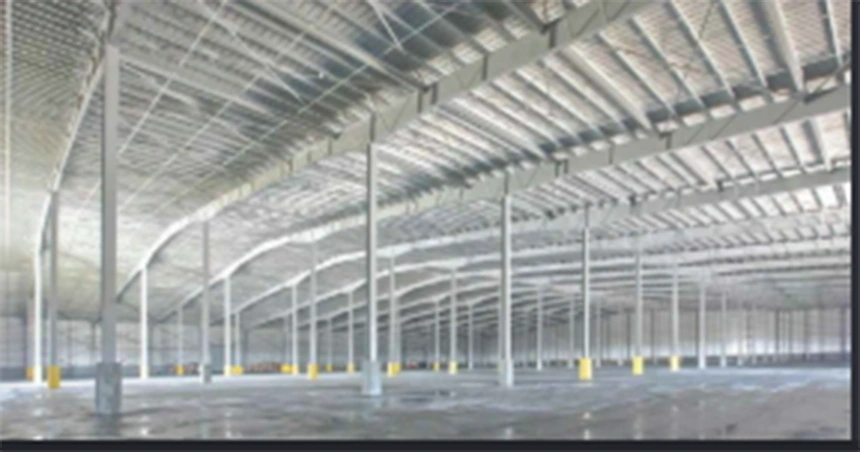
Steel buildings are a practical choice for this purpose. They offer strong frames, open spaces without too many support columns, and flexible layouts that make storing and moving large equipment much easier.
. A well-planned industrial metal building gives loaders, tractors, cranes, trailers, and attachments a safe place to stay ready. It also gives teams a dependable area for parking, service, and storage.
Strong Frames Handle Heavy Loads
Steel frames carry bigger roof loads and wide door openings with comfort. This helps the structure carry equipment storage without crowding the floor with multiple posts. Crews get extra room for bigger machines, wide attachments, and service access.
Heavy machines need room to move in, park, and move out fast. A metal structure can provide open ways that make daily use comfortable. The frame supports heavy-duty doors, wall panels, and roof systems without wasting floor space.
Wide Open Space Makes Access Easier
Clear-span steel buildings give operators more spacious floor area. Crews can park large machines in straight rows and reach each unit without sharp turns. This layout helps lessen delays when several machines need to leave the site.
Large overhead doors also support easy entry and exit. This matters when equipment has tall cabs, wide tires, buckets, arms, or trailers attached. Good access also helps drivers move machines in and out with fewer equipment spots.
Steel Protects Equipment From Weather
Rain, sun, wind, and heat can pull down exposed machinery. A steel storage building helps shield engines, tires, hydraulics, and painted surfaces from difficult outdoor exposure. Covered storage also keeps seats, controls, and electrical parts in good condition.
Roof and wall panels create a dry, covered area for important assets. Good ventilation also helps lessen trapped heat and moisture inside the building. Insulation can make the place more comfortable for crews during service work.
Layouts Can Match Real Jobsite Needs
Every storage site has its own set of machines, tools, and parts. Steel buildings help with flexible bay spacing, door clearance, and load-bearing zones for that mix. A site can keep different areas for parking, repair, parts, and daily checkups.
A company can keep aside space for service work, fuel, tools, extra tires, or seasonal gear. That layout can include service bays, equipment lanes, and storage racks to keep the site cleaner during busy days. It also helps crews find the right machine or attachment without searching across the yard.
Maintenance Stays Simple
Steel surfaces are easy to clear after muddy shifts. The structure also supports practical features like gutters, skylights, insulation, and wall liners. These details help the building cater to both storage and light maintenance needs.
Regular care typically means checking fasteners, doors, panels, and drainage. Simple care and maintenance help the building stay useful for years without complicated routines. A clean, organized metal building also makes equipment inspections easier for crews.
Steel buildings suit heavy equipment storage because they bring strength, space, and practical access together. A planned industrial metal building gives machinery a safe place that keeps up with daily work. It can hold large equipment, spare parts, and service areas in one clear layout.
FAQs
Why are steel buildings suitable for storing heavy equipment?
Steel buildings offer excellent strength, durability, and structural stability, making them suitable for storing heavy machinery and industrial equipment. They can handle demanding storage needs while protecting valuable equipment from harsh weather and external damage.
Can steel buildings be customised for different types of heavy equipment?
Yes, steel buildings can be customised with wider doors, higher ceilings, reinforced floors, and additional storage space. These features make it easier to accommodate large machinery, tractors, construction vehicles, and other heavy equipment.
Do steel buildings require a lot of maintenance?
No, steel buildings generally require less maintenance than many traditional building materials. Regular inspections, checking for corrosion, maintaining protective coatings, and keeping drainage systems clear can help extend their lifespan and keep stored equipment protected.