

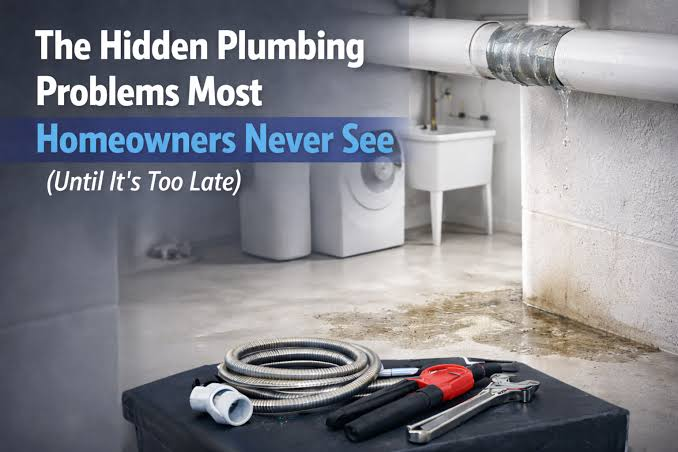
Fixing small plumbing issues early, like running toilets, slow drains, dripping taps, and minor pipe leaks. Save money and prevent water damage or mould. By identifying common plumbing problems early and consulting trusted plumbing companies, homeowners can protect both their property and their long-term investment. Early identification allows for repairs that prevent extensive water damage and preserve the integrity of your home’s infrastructure.
Knowing which plumbing problems to watch for, what causes them, and when to seek professional help can make a significant difference in protecting your home. Here are some common plumbing issues homeowners in Roseville should address early.
1. Slow or Frequently Clogged Drains
Slow drains are the most common residential plumbing problems. Kitchen drains may collect grease, food particles, and soap residue, while bathroom drains often become blocked with hair and soap buildup.
Signs to watch for:
- Water draining slowly from sinks, showers, or tubs.
- Nasty smells coming from drains.
- Rippling sounds after water drains.
- Repeated blockages in the same fixture.
Avoid spilling grease down kitchen drains and use drain covers to catch hair and debris. If a drain continues to hinder despite basic cleaning, the blockage may be deeper in the pipe. Professional drain cleaning can help remove obstinate buildup without risking damage from hostile DIY methods.
2. Leaking Faucets and Pipes
A dripping faucet may seem like a minor inconvenience, but persistent leaks waste water and can increase utility bills. Leaking pipes are more concerning when water escapes behind walls, beneath cabinets, or under flooring. Homeowners dealing with repeated leaks or hidden pipe damage may need the help of a professional plumber in Roseville to identify the source and prevent further damage.
Look for damp spots, water stains, nasty smells, peeling paint, or unexplained moisture. Common causes include worn seals, loose connections, decay, and damaged pipe sections.
Homeowners can tighten available connections carefully, but hidden or recurring leaks require proper inspection. Prompt leak detection and plumbing repairs help limit water damage and prevent wetness problems.
3. Low Water Pressure
Low water pressure can make daily tasks, such as washing dishes, showering, or filling a sink, frustrating. It may affect a single spout or several fixtures throughout the home.
Possible causes include:
- Mineral buildup in valve aerators or showerheads.
- Leaking pipes.
- Partially closed water supply valves.
- Plumbing erosion or other pipe restrictions.
If low pressure affects only one fixture, cleaning its blower may help. However, when pressure drops throughout the house or changes suddenly, a craftsman can investigate the underlying cause before the problem worsens.
4. Toilets That Keep Running or Leak
A running toilet can waste an astonishing amount of water over time. The problem may involve a worn flapper, faulty fill valve, incorrect water level, or other elements inside the tank.
Check whether the toilet continues to replenish after flushing or whether water trickles into the bowl. You can inspect the tank components, but persistent running or leaks around the toilet base should not be ignored.
Water around the base may suggest a failed seal, loose connection, or another issue that needs attention. Repairing the toilet promptly helps avert wasted water and potential damage to surrounding flooring.
5. Water Heater Problems
Water heaters may develop problems slowly, making early symptoms easy to overlook. Inconsistent hot water, unusual noises, rusty-looking water, or moisture around the unit can suggest a developing issue.
Common warning signs include:
- Hot water running out uncommonly quickly.
- Popping or vibrating noises.
- Visible corrosion or leaks.
- Water that takes longer than usual to heat.
Sediment collection, worn components, and aging equipment can affect performance. Routine maintenance and timely water heater repairs can help improve dependability. If the unit leaks, avoid attempting repairs involving electrical connections, gas components, or stressed parts without professional assistance.
6. Sewer Line Blockages and Backups
Sewer line problems can affect multiple fixtures and may cause disagreeable or unsanitary conditions inside a home. Tree roots, damaged pipes, collected debris, and structural deterioration can contribute to blockages.
Warning signs include:
- Multiple drains becoming slow at the same time.
- Trickling noises from toilets or drains.
- Sewage odors around the home.
- Water backing up into tubs or floor drains.
When these symptoms appear, avoid repeatedly flooding toilets or running water. Sewer line inspections, drain clearing, and relevant repairs can help identify and resolve the problem. Sewage backups should be treated as urgent because they can expose residents to harmful contaminants.
When Should You Call a Professional Plumber?
Not every plumbing problem needs immediate professional assistance, but certain situations should not be left until later. Persistent leaks, repeated drain obstruction, sudden pressure changes, sewer backups, and water heater leaks are reasons to arrange an inspection.
If a pipe shatters, shut off the main water supply if it is safe to do so. For electrical hazards, stay away from wet areas and contact the appropriate emergency service. Homeowners looking for a plumber in Roseville can look for professional assistance with plumbing repairs, drain problems, water heaters, sewer lines, and other residential plumbing concerns.
Conclusion
Plumbing problems often provide warning signs before they become serious. Managing slow drains, leaks, toilet issues, water pressure changes, water heater concerns, and sewer problems early can help protect your home and reduce repair costs. Normal inspections, sensible maintenance, and professional assistance when needed are practical ways to keep your plumbing system working reliably.
FAQs
Can plumbing problems increase my water bill?
Yes. Running toilets, leaking pipes, and dripping faucets can waste water continuously, increasing household water bills.
Are chemical drain cleaners safe for plumbing pipes?
Some chemical drain cleaners may damage certain pipes or fixtures, especially when used improperly or repeatedly. Mechanical cleaning or professional drain clearing may be safer for persistent blockages.
How can I prevent plumbing problems in my home?
Avoid flushing unsuitable materials, keep grease out of drains, inspect exposed pipes regularly, maintain water heaters, and address leaks or unusual plumbing symptoms promptly.