


Most of the landscaping companies do not start with a business plan, they start with a used push mower, a neighbour who is tired of mowing, and a few more yards picked up through word of mouth until every Saturday is booked.
Making the jump to a legitimate business means handling a handful of boring tasks in the right order to understand seasonal lawn care. You will need a legal structure, the right insurance, a real payroll setup once you bring on help, and pricing that reflects what your time actually costs.
Signs Your Side Hustle Has Outgrown Itself
The clearest signal is a waitlist. If you’re turning down jobs, working every evening after your day job, or quoting projects you’d need a second set of hands to finish, demand has already outpaced your setup.
Another sign is the kind of work clients ask for. Once people want mulching, bed edging, hedge work, and seasonal cleanups instead of just a mow, you’re running a landscaping company whether you’ve named it or not. Bigger jobs also carry bigger liability, and that’s usually when a homeowner or HOA starts asking for proof of insurance.
Interesting Fact
The Bureau of Labor Statistics’ grounds maintenance worker occupational outlook counted about 1.3 million jobs in the field in 2025 and projects 5% growth through 2035, which it describes as faster than average.
The broader market supports the leap. It also expects roughly 162,500 openings each year over that decade. For most small operators, the harder part is running the business behind the mower.
Register the Business and Get Real Coverage
Start with structure. Most solo operators are sole proprietors by default, but forming an LLC separates your personal assets from business debts and lawsuits, and it makes you look more established to commercial clients.
You’ll also want an Employer Identification Number from the IRS, a business bank account, and whatever local business license your city or county requires. Some states require a separate license for applying fertilizer or pesticides, so check with your state agriculture department before you add lawn treatment to your services.
Insurance is where many new landscapers get caught off guard. General liability covers property damage and injuries you cause on a job, and commercial auto covers the truck and trailer that your personal policy probably won’t cover once they’re used for business.
The catch is that those are the same policies getting harder to find in a lot of markets. Carriers have tightened commercial property and auto coverage in states like California, Florida, Louisiana, and Colorado, and the trend of insurers pulling out of entire states means even established businesses are getting non-renewal notices.
Insureon notes that carriers typically give 30 to 120 days’ notice, and it recommends shopping for replacement coverage 30 to 60 days before your policy ends.
Don’t let a lapse slide while you hunt for a new policy. A gap in coverage can breach a commercial client’s contract, and any incident that happens during that gap is entirely on you. Keep certificates of insurance handy, since property managers and HOAs will ask for them every season.
It’s also worth documenting your safety practices, like equipment maintenance logs and crew training, because underwriters treat that paperwork as evidence you’re a lower risk.
Hiring Your First Seasonal Helper
The first hire changes how you operate. Landscaping is seasonal by nature, and the BLS notes that grounds workers are busiest from spring through fall, with some picking up snow removal in winter.
Its data puts median pay for grounds maintenance workers at $19.27 an hour as of May 2025, which gives you a realistic benchmark when you’re setting wages in a competitive spring labor market. Paying too far below that usually means you’ll lose your best helper to a bigger crew by July.
Resist the temptation to pay a helper in cash and call them a contractor. If you set their hours, supply the equipment, and direct how the work gets done, they’re almost certainly an employee in the eyes of the IRS. The IRS’s requirements for hiring employees call for a signed Form W-4 on file for federal withholding and a completed Form I-9 verifying the person’s eligibility to work in the United States.
Most states also require you to report new hires within a few weeks and register for state unemployment insurance.
That’s also the point where you’ll need a real payroll system instead of a spreadsheet and a calculator. Payroll software calculates withholding, files payroll taxes, and keeps the records you’ll need at tax time, which matters more than it sounds when you’re paying a crew weekly in peak season.
If your books already run through QuickBooks, its payroll add-on posts wages straight into your accounts, but local tax filing and time tracking can cost extra depending on the plan. Gusto includes federal and state filing in its plans and connects to several accounting tools, so it’s worth checking how Gusto and QuickBooks Payroll compare on cost for an hourly crew that clocks time on job sites. Run the numbers for your own headcount, since per-employee fees add up fast when you go from one helper to four in May.
Price by the Job Instead of the Hour
Hourly pricing punishes you for getting faster. Once you’ve invested in a wider mower deck or a crew that works efficiently, you finish yards sooner and earn less for the same result. Pricing per visit, per job, or per season lets those efficiency gains turn into margin.
- Start by timing every job for a few weeks, then add your labor cost, fuel, equipment wear, insurance, and profit to arrive at a flat rate for each property.
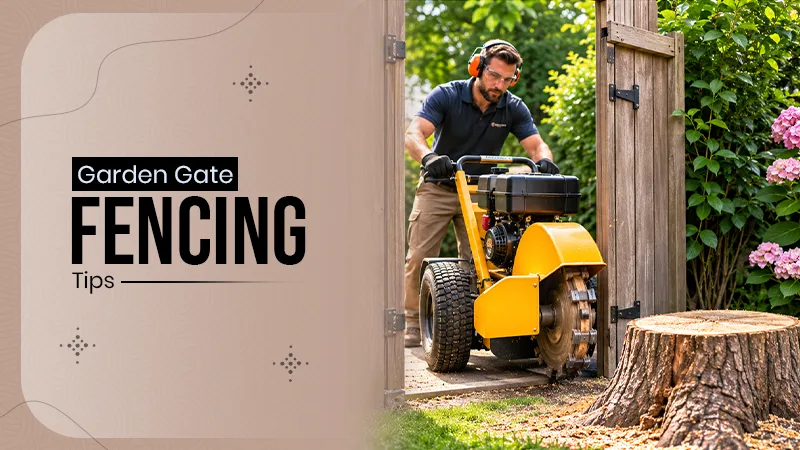
- Add-on services are where small landscaping businesses build real margin. Stump grinding is a common request after tree removal, and quoting it accurately means knowing the site, since getting a stump grinder through narrow gates can decide which machine you rent and how long the job takes.
- Drainage is another, and larger installs often depend on residential excavation before backyard landscaping to keep new beds and lawns from settling or flooding. You don’t have to do all of this yourself, either.
Partnering with an excavation contractor or tree service and coordinating the work lets you keep the client relationship and earn on the project.
Equipment Upgrades That Pay for Themselves
Judge equipment by the hours it saves you each week. A commercial zero-turn mower can cut mowing time on larger properties compared with a residential walk-behind, and every hour saved is room for another yard on the schedule.
A reliable trailer with proper tie-downs speeds up loading and protects your equipment from theft and weather. Battery-powered trimmers and blowers are also worth a look, especially if you work in cities that restrict gas-powered leaf blowers.
Keep a maintenance log for the best robot lawn mowers for different garden needs. Sharpening blades, changing oil, and replacing air filters on a schedule prevents breakdowns in the middle of peak season, when a dead mower can cost you a full day of revenue.
That log doubles as documentation for insurers and helps when you sell equipment later. Finance only what earns money every week, and pay cash for the rest whenever you can.
Plan for the Off-Season Before It Arrives
The businesses that last figure out winter early. Snow removal, holiday light installation, gutter cleaning, and fall cleanup contracts keep cash flowing and give your best seasonal helper a reason to come back next spring.
Annual service contracts, where clients prepay or pay monthly for a full year of care, smooth out the income swings that sink a lot of first-year operators. Even if you scale down to just yourself in winter, use the slow months to update pricing, renew insurance before it lapses, and line up next year’s equipment purchases.
Making the Leap Without Losing Momentum
Growing from a weekend side hustle into a landscaping company happens in stages, and you don’t have to finish every step before you take the next job. Register the business and lock down insurance first, because those protect everything else you build.
Set up payroll before your first helper’s first shift, then refine your pricing and equipment as you learn which jobs make money. Handle those steps in order, and the yards that once filled your Saturdays can become a business that runs all year.
Frequently Asked Questions
What is a robot mower?
A robot mower helps with mowing in tough conditions and different weather situations, and offers perfect mowing in various kinds of lawns.
How to charge for mowing a garden?
Never charge hourly; set a fixed price for mowing a garden and work without being stressed by the time limit.
Is mowing really a great business idea?
Many homeowners are usually busy and are not able to mow their lawn frequently, so yes, a mowing business holds real scaling potential.