

There’s nothing quite like moving into a brand-new house that is renovated perfectly to your taste. But all that fresh paint, adhesives, floors, and construction activities can result in dust and other contaminants being left behind.
A custom home builder in Western North Carolina knows that creating a comfortable home involves more than choosing the right finishes and layout.
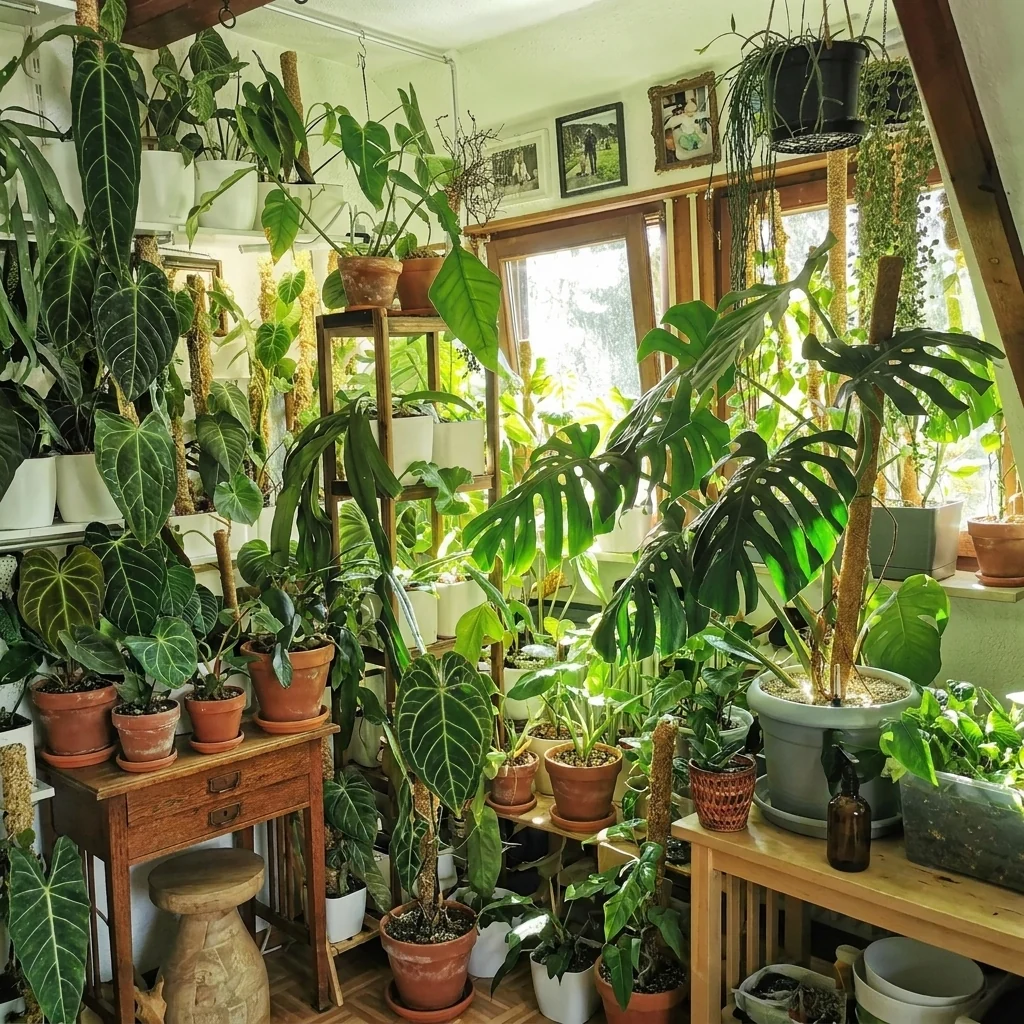
Plants inside homes are believed by many people to be a natural solution to improve the quality of indoor air. But they cannot do it all. Understanding their true capabilities will allow you to make the right decisions.
Why Indoor Air Quality Matters After a Home Renovation
When remodeling occurs, one can expect not only clutter but also other elements such as dust, paint odors, adhesive materials, and cleaners in your indoor air. Some building materials and finishes can also release volatile organic compounds (VOCs) over time, which may contribute to lingering odors and indoor air concerns. Paying attention to ventilation and air quality after a renovation helps create a more comfortable space for everyone living in the home.
What Houseplants Can Do for Indoor Air
Houseplants can offer some benefits to indoor spaces beyond their decorative appeal, particularly by absorbing carbon dioxide and releasing oxygen through photosynthesis. Plants are able to absorb some chemicals from the air as well; however, scientific studies show that this process does not occur often in regular houses. More importantly, adding greenery can make a room feel calmer, more inviting, and connected to nature, contributing to a more pleasant living environment.
What Houseplants Cannot Do for Indoor Air
Plenty of houseplants can be a good thing, but they’ll never substitute for fresh air ventilation, air purifiers, and all those other practical countermeasures for indoor pollutants. A few plants will not be able to clean the dust from construction activities in the city, or the smell of paints or chemicals from the environment of your house. Let your plants do their thing, and go for more effective countermeasures to address your lingering air quality concerns.
Choosing Houseplants for a Newly Renovated Home
Consider natural light, space, and the amount of time you have to take care of your new plants. Some plants need good light in a room, but some do better in the shady corner of a room, so they are easier to care for. It’s also a good idea to find out if a new plant is pet-friendly and if its watering requirements might mean excess moisture or mould in the soil.
More Effective Ways to Improve Indoor Air Quality After Renovation
Houseplants might be able to give your newly renovated home a welcomed touch of liveliness, but you will likely need to do some additional things to really improve the quality of your indoor air. From fresh air to the materials you decide to use for your home, these tips might help.
Improve Ventilation
Fresh air circulation is one of the simplest ways to help reduce lingering odors and airborne pollutants after renovation. Open windows and doors when outdoor conditions allow, and use exhaust fans in kitchens and bathrooms to help move stale air outside. Good ventilation is also something a custom home builder should consider when planning comfortable and functional living spaces.
Use Proper Air Filtration
Air purifiers equipped with HEPA filters can help capture fine particles such as dust, pollen, and other airborne irritants that may remain after construction. Select a unit of an appropriate size for the room to ensure proper circulation and filtration of the air. Remember that HEPA filters capture particles but do not remove most gaseous pollutants, so additional ventilation and suitable gas filtration may still be necessary.
Choose Low Emission Materials
Some paints, adhesives, flooring products, and furniture finishes can release volatile organic compounds (VOCs) into indoor air. Choosing low-emission alternatives can help limit the number of chemicals introduced into your home, especially when selecting materials for large surfaces or frequently used rooms. It is also useful to observe the drying and curing process according to the manufacturer’s guidelines prior to inhabiting the renovated area.
Keep Surfaces Clean
Renovation dust can settle on floors, shelves, countertops, and other surfaces even after contractors have finished their work. Regular cleaning with damp microfiber cloths and a vacuum equipped with a HEPA filter can help prevent these particles from becoming airborne again. Pay extra attention to corners, vents, window frames, and other areas where fine dust tends to collect.
Address Moisture Problems
Moisture in excess can promote mold growth, which could be a problem for those with allergies or respiratory conditions. Check for leaks, condensation, and damp areas, particularly around bathrooms, kitchens, windows, and plumbing fixtures. Keeping indoor humidity at a comfortable level and addressing water problems promptly can help protect both your living environment and the materials throughout your home.
Creating a Healthier and More Comfortable Indoor Environment
Creating a healthier indoor environment involves more than adding a few plants or choosing attractive finishes for your home. Good ventilation, proper air filtering, use of non-emitting materials, and cleaning all help to create an environment that is constantly fresh and comfortable. Whether you’re updating an existing property or working with a luxury home builder on a new project, making indoor air quality part of the planning process can help create a home that looks beautiful and supports everyday well-being.
Conclusion
Indoor plants are a nice addition that can add some life and beauty to a newly renovated house, although their use should be supplementary to good indoor air quality techniques. Good ventilation, effective filtration, and thoughtful material choices do much more to create a comfortable and healthier living environment. Whether you’re renovating or planning a new home, working with a custom home builder in Western North Carolina can help you make design decisions that support both beauty and everyday comfort.
FAQs
Are houseplants good for improving air quality indoors?
Houseplants are able to absorb tiny amounts of some chemicals present in the air and produce oxygen via photosynthesis. Yet, they cannot do much for the air quality in common households.
Which houseplants are recommended for a recently renovated place?
The common choice would be varieties such as spider plants, snake plants, pothos, and peace lilies. Still, one should think about additional requirements before picking houseplants.
For how long will renovation materials impact indoor air quality?
Some materials may release VOCs for days, weeks, or even longer, depending on the type of material, installation, and ventilation. Curing materials according to the manufacturer’s instructions and ensuring adequate ventilation may help.
Why is indoor air quality important when building or renovating a house?
Indoor air quality is essential when building or renovating a house because it contributes to creating a comfortable living space.